Costco Rotisserie Chicken Lawsuit: What Canadian Shoppers Should Know

June 17, 2026
Costco is asking a U.S. court to dismiss a lawsuit over its rotisserie chicken label. Here is what the case is about and what Canadian shoppers should know.
What's on this page
A practical Canadian explainer on the Costco rotisserie chicken lawsuit, the no-preservatives label dispute, and what shoppers can take from it.
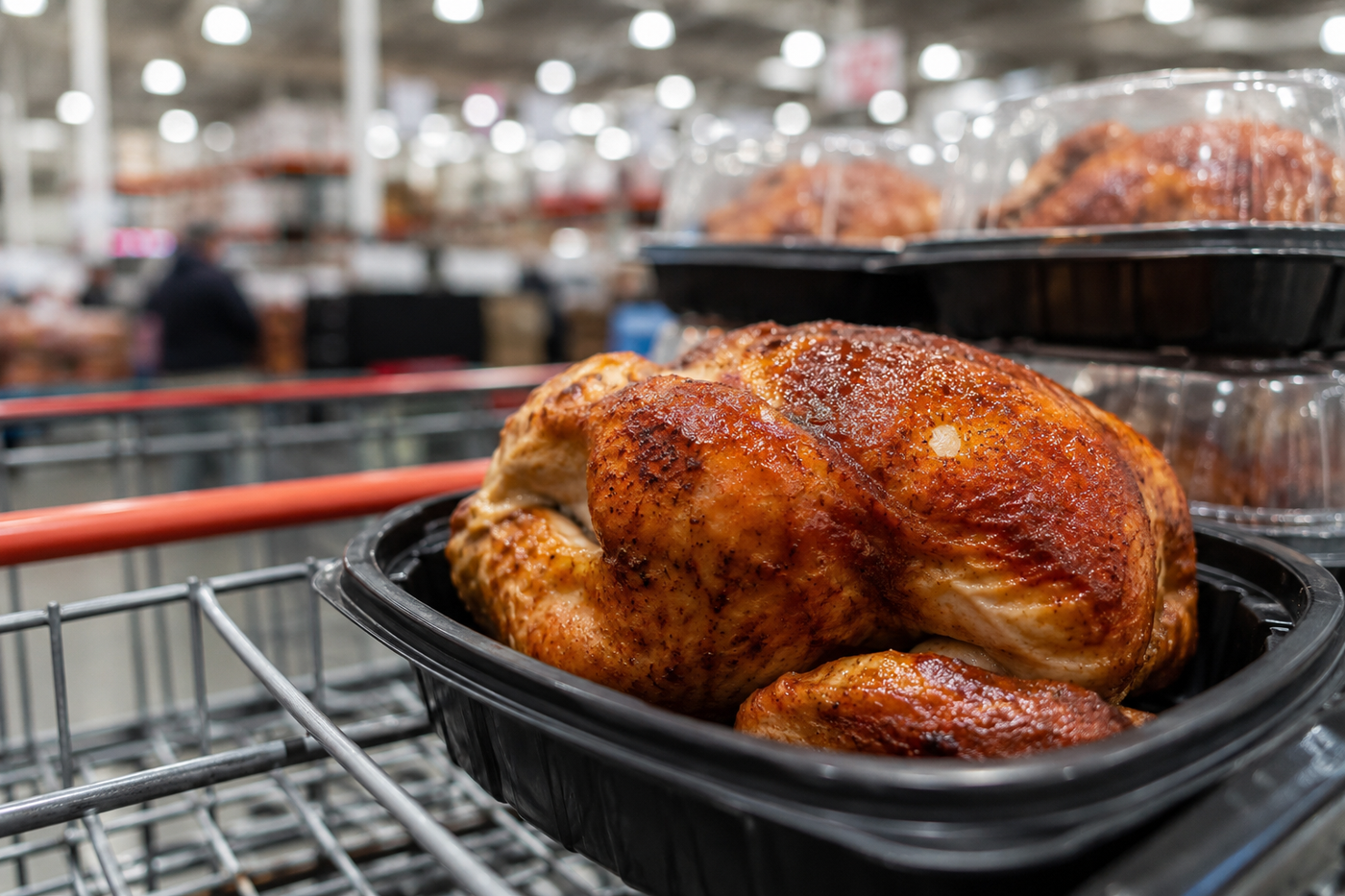
Costco's rotisserie chicken is famous for two reasons: the price barely moves, and the chicken is one of the easiest dinner shortcuts in the warehouse. A proposed U.S. class action has put that chicken back in the news, but the story is narrower than a typical food scare.
According to CBC News, the lawsuit was filed in California and alleges Costco misled customers by advertising its Kirkland Signature seasoned rotisserie chicken as having no preservatives. Costco has asked the court to dismiss the complaint. The company says the legal theory is flawed because the ingredients named by the plaintiffs do not function as preservatives in the chicken and appear on the product label.
For Canadian shoppers, the practical question is simple: should this change how you buy the chicken? The short answer is that nothing in the report describes a Canadian recall, a food-safety warning, or a change in the cooked chicken's price. The case is about labelling, ingredients, and what a reasonable shopper understands when a package says no preservatives.
What the Costco chicken lawsuit is about
The proposed class action focuses on the words used to market the chicken. The plaintiffs say Costco's no-preservatives language was misleading because the seasoned chicken includes sodium phosphate and carrageenan. Their legal team argues those ingredients should count as preservatives.
Costco's lawyers disagree. In its motion to dismiss, the company argues that the ingredients support moisture retention, texture, and consistency during cooking. Costco also argues that the ingredients were listed on the label, which matters because shoppers could read the ingredient panel before buying.
The company removed the disputed no-preservatives references after the lawsuit was filed. The plaintiffs point to that change as support for their argument. Costco says the price stayed the same after the wording changed, which undercuts the claim that shoppers paid a premium because of the label.
The money angle: why this chicken gets so much attention
The Costco chicken is more than a deli item. It is a traffic driver. The CBC report notes that Costco has kept the U.S. rotisserie chicken at $4.99 US since 2009 and sold 154.7 million birds worldwide in 2025. In Canada, the price is usually around $7.99 to $9, depending on the warehouse and timing.
That price is why the chicken fits into ordinary household budgeting. If you are trying to control food costs, the same logic behind Canada grocery benefit dates and eligibility applies here: the useful number is the total cost of a meal, not whether one item feels cheap at the shelf.
A Costco chicken can become dinner, lunch leftovers, sandwiches, soup, tacos, fried rice, or a protein shortcut for salads. The value comes from using it well. If half the chicken ends up in the garbage, the cheap headline price does less work.
Does this mean Costco chicken is unsafe?
The CBC report does not describe a food recall. It does not say customers should stop eating the chicken. It reports on a lawsuit about labelling and Costco's legal response.
That distinction matters. A label dispute can still be important because shoppers rely on product claims. But it belongs in a different category from a recall, contamination warning, or public-health notice. If a food-safety agency issues a recall, treat that as a separate event and follow the recall instructions.
How to read the label like a normal person
You do not need a chemistry degree to shop better. Start with the front label, then check the ingredient list when a claim matters to you. If you buy a product because it says no preservatives, low sodium, gluten-free, organic, or antibiotic-free, the back label helps you understand what the package actually says.
Quick label check
Use the package in front of you. Labels can change by market, supplier, and date.
| Question | What to look for |
|---|---|
| Does the front label make a health or ingredient claim? | Read the ingredient panel before relying on the claim. |
| Is sodium a concern? | Check the nutrition facts, especially sodium per serving. |
| Are you avoiding a specific additive? | Search the ingredient list for the exact name. |
| Is the product cooked and ready to eat? | Follow storage timing and reheating guidance once you bring it home. |
What Canadian shoppers can take from this
- Treat the lawsuit as a labelling story unless a regulator announces a recall or safety warning.
- Read ingredient lists when a front-package claim affects your buying decision.
- Compare cost per meal, not just cost per item. A cheap prepared chicken is useful when you actually use the leftovers.
- Keep an eye on sodium if rotisserie chicken becomes a regular weekly meal.
- Do not assume a U.S. court case automatically changes Canadian labels, prices, or product rules.
If you are shopping around deal events, the same calm approach helps. A low price only matters when the product fits your household. The same rule applies to Prime Day Canada deals and durable things worth buying in Canada.
FAQ
Is the Costco rotisserie chicken lawsuit in Canada?
The lawsuit described by CBC was filed in the United States, in the U.S. District Court for the Southern District of California. Canadian shoppers may still care because Costco sells rotisserie chicken in Canada, but the reported legal case is U.S.-based.
What ingredients are mentioned in the lawsuit?
The lawsuit names sodium phosphate and carrageenan. The plaintiffs call them preservatives. Costco says they support moisture retention, texture, and consistency during cooking and do not function as preservatives in the product.
Did Costco change the chicken price?
CBC reported that Costco's lawyers said the U.S. rotisserie chicken price remained at its well-known $4.99 US after the disputed signage changed. In Canada, the chicken is usually more like $7.99 to $9.
Should I stop buying Costco rotisserie chicken?
The reported case is about labelling. If you like the chicken and it fits your budget, the main practical move is to read the label and use the leftovers well. If you are avoiding specific ingredients or watching sodium, check the package before buying.
Bottom line
The Costco chicken case is worth watching because labels influence trust. For now, Canadian shoppers can treat it as a reminder to read the ingredient list, compare prepared-food value honestly, and separate a court dispute from a food-safety warning.
Related articles:
 Read next
Page details
Author: Canooq Editorial
Updated: June 17, 2026
Cite this page: Canooq.ca, Costco Rotisserie Chicken Lawsuit: What Canadian Shoppers Should Know, https://www.canooq.ca/blog/costco-rotisserie-chicken-lawsuit-canada
Canooq content is educational and may include affiliate or referral links. It is not financial, tax, legal, immigration, employment, mortgage, real estate, or healthcare advice. Verify official sources and provider terms before acting.