Canada's Best National Parks for a First Big Trip

June 26, 2026
A practical first-timer guide to Canada's best national parks, with pass rules, access notes, shuttles, reservations and realistic trip ideas.
What's on this page
A practical first-timer guide to Canada's best national parks, with pass rules, access notes, shuttles, reservations and realistic trip ideas.
Canada has more than 40 national parks and national park reserves, so a first big trip can feel hard to choose. The best answer depends on what kind of Canada you want to experience first: glacier lakes, mountain highways, rainforest beaches, Atlantic cliffs, fjords, tides, wildlife, or a compact road trip with a lot of scenery in a short distance.
This guide focuses on seven parks that work especially well for a first major national park trip. If you want a broader Canada travel list, pair this with the Canada travel bucket list. If you are planning from Vancouver, the day trips from Vancouver guide is a useful shorter-trip companion.
Before you book, remember that Parks Canada places are managed sites. Most national parks require daily admission or a Discovery Pass, and some famous areas also require shuttle reservations, paid parking, campsite bookings or seasonal road access. Do not assume a park is free just because it is outdoors.
How to choose your first park
For a first trip, choose the park based on the experience you want most, then build the route around access rules. Banff and Jasper are best for an iconic Canadian Rockies trip. Yoho is better if you want a quieter Rockies add-on. Pacific Rim works for beaches, storm watching and Vancouver Island. Gros Morne is the strongest pick for geology and dramatic Newfoundland scenery. Cape Breton Highlands is the easiest Atlantic road-trip park. Fundy is the best choice if you want tides, coastal forest and a compact New Brunswick itinerary.
1. Banff National Park
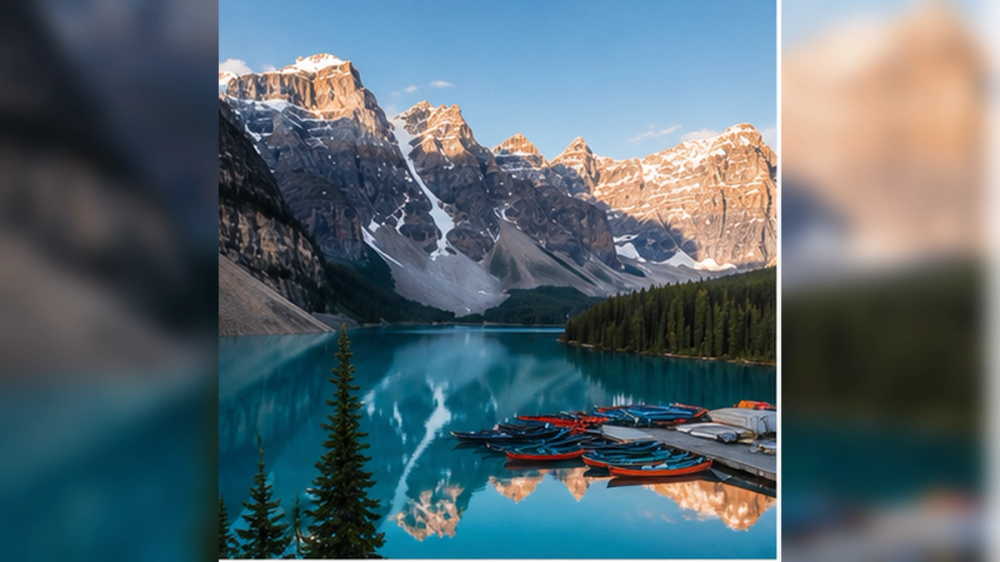
Banff National Park is Canada's oldest national park and the best-known gateway to the Canadian Rockies. It sits in Alberta, west of Calgary, and includes Banff townsite, Lake Louise, Moraine Lake, Bow Valley viewpoints, alpine lakes, hot springs, scenic drives and a large network of trails. For many first-time visitors, Banff is the park that matches the postcard version of Canada: turquoise water, sharp peaks and mountain roads that make even short drives feel memorable.
Key facts
- Province: Alberta.
- Main bases: Banff, Lake Louise and Canmore.
- Best season for a first trip: June to September for lakes and hiking; late September for larch season; winter for skiing and snowy scenery.
- Access: Parks Canada admission is required. A Discovery Pass can make sense if you visit several national parks or stay multiple days.
- First-trip strength: iconic scenery with a lot of easy viewpoints and services.
Access and management
Banff is managed by Parks Canada. Visitors normally need a park pass, either a daily admission pass or a Discovery Pass. In summer, Lake Louise and Moraine Lake require more planning than the rest of the park. Moraine Lake Road is not open to private vehicles, and Lake Louise parking can fill early. Parks Canada shuttles, Roam Transit, commercial buses and tour operators are often the practical way to reach the most popular lake areas.
Activities and experiences
A first Banff trip can be excellent without hard hiking. Start with Lake Louise, Moraine Lake, Bow Lake, Peyto Lake, Johnston Canyon, the Banff Gondola area and an evening walk around Banff Avenue. If you want a scenic drive, the Icefields Parkway north of Lake Louise is one of the strongest routes in the country. Add one moderate hike only if weather, parking and timing line up. The park is popular for a reason, but the best days start early.
Tourism importance
Banff is one of Canada's most visited natural destinations and a major symbol of the Rockies. Its popularity creates pressure on parking, shuttles, trails and wildlife corridors, which is why access rules are more structured than many first-time visitors expect.
2. Jasper National Park
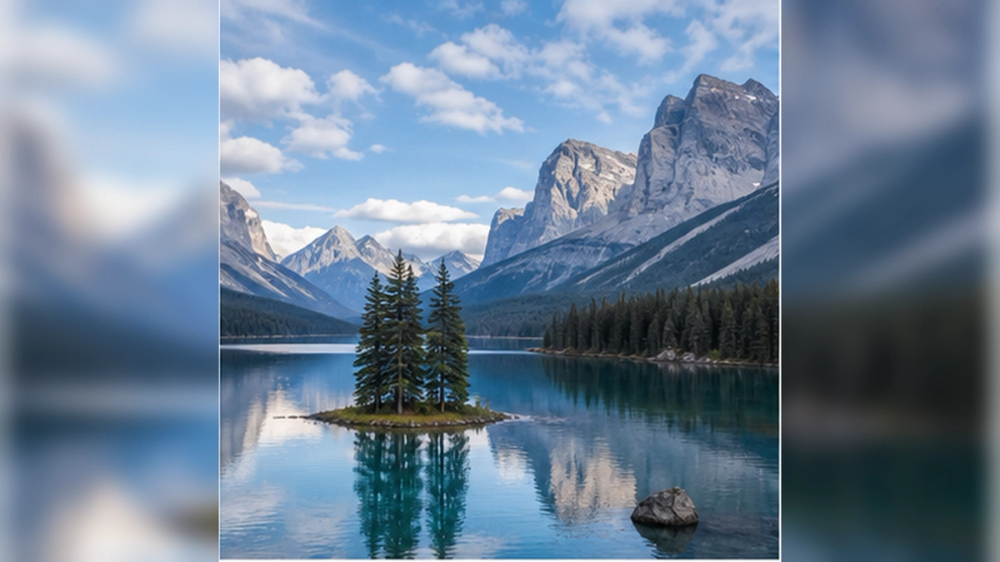
Jasper National Park is the largest national park in the Canadian Rockies. It sits north of Banff and is connected to Lake Louise by the Icefields Parkway. The park is known for wide valleys, elk and bighorn sheep sightings, glacial lakes, canyons, dark sky viewing and a more spacious mountain-town feeling than Banff. For a first big trip, Jasper works best when you have enough time to slow down instead of treating it as a single stop on the highway.
Key facts
- Province: Alberta.
- Main base: Jasper townsite.
- Best season for a first trip: June to September for mountain roads, lake cruises and hiking; September for cooler weather and wildlife viewing.
- Access: Parks Canada admission is required. Check official park notices before travelling, especially after wildfire, road or facility disruptions.
- First-trip strength: big landscapes, wildlife, stargazing and a less compressed Rockies experience.
Access and management
Jasper is managed by Parks Canada. Daily admission or a Discovery Pass is normally required. The Icefields Parkway between Banff and Jasper has limited services in stretches, so fuel, food and weather planning matter. Seasonal closures, avalanche work, wildlife closures and post-wildfire recovery notices can affect roads, trails and campgrounds. Check Parks Canada before locking in a route.
Activities and experiences
Good first-trip stops include Maligne Canyon, Maligne Lake, Pyramid Lake, Patricia Lake, Athabasca Falls, Sunwapta Falls and the Columbia Icefield area on the drive in. Jasper is also a strong place for casual wildlife viewing, though visitors should keep distance and never stop unsafely on the road. If you have three nights, use one day for the Icefields Parkway, one for Maligne Valley and one for lakes, town and slower viewpoints.
Tourism importance
Jasper is important because it shows a broader, less polished side of the Rockies. It is still highly visited, but the scale of the park makes the experience feel more open. For many travellers, Banff is the headline and Jasper is the place they remember most calmly.
3. Yoho National Park
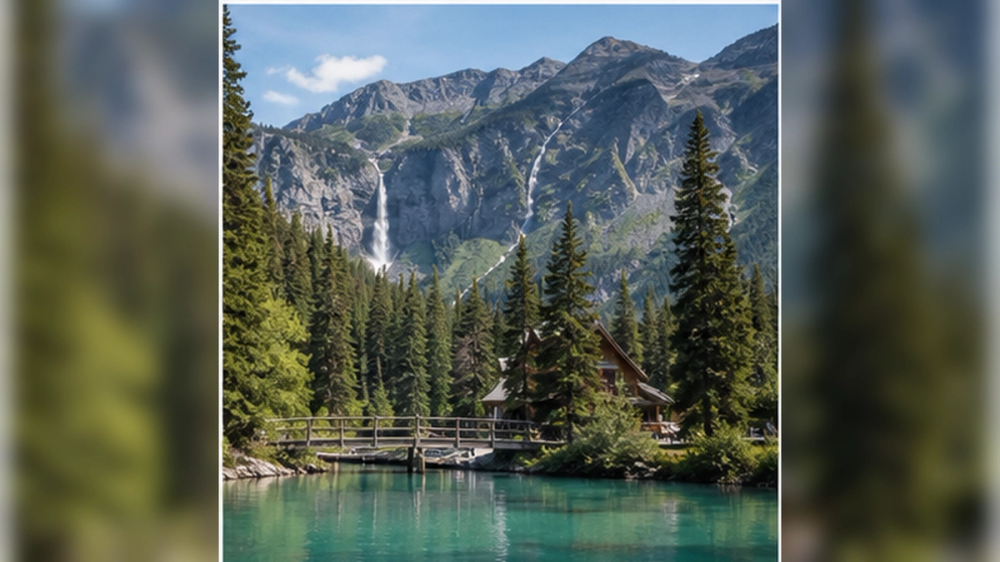
Yoho National Park is in British Columbia, just west of Lake Louise. The name comes from a Cree expression of awe, which fits the park well: Yoho is compact, steep and full of dramatic mountain scenery. It is known for Emerald Lake, Takakkaw Falls, the Natural Bridge, Burgess Shale fossil sites and Lake O'Hara. For a first Rockies trip, Yoho works beautifully as a quieter add-on to Banff or Lake Louise.
Key facts
- Province: British Columbia.
- Main bases: Field, Lake Louise or Golden.
- Best season for a first trip: late June to September, once high-elevation access and waterfall roads are operating.
- Access: Parks Canada admission is required. Lake O'Hara access requires separate reservation planning.
- First-trip strength: huge scenery in a compact area, with fewer town distractions than Banff.
Access and management
Yoho is managed by Parks Canada and requires park admission. Most first-time visitors reach it by car from Lake Louise, Banff or Golden. Takakkaw Falls Road is seasonal and not suitable for large vehicles. Lake O'Hara is a separate planning project: Parks Canada tightly controls access by shuttle reservation, campground booking, day-use access and trail management to protect the area.
Activities and experiences
The easiest first-trip route is Emerald Lake, the Natural Bridge and Takakkaw Falls if the road is open. Emerald Lake is beautiful even on a short stop, while Takakkaw Falls gives a huge payoff for little walking once access opens. Strong hikers can look at Iceline Trail or Lake O'Hara only if they understand the booking system and conditions.
Tourism importance
Yoho matters because it shows how much variety exists inside the Canadian Rockies beyond Banff's most famous viewpoints. It is a national park where geology, waterfalls and conservation rules are central to the visitor experience.
4. Pacific Rim National Park Reserve
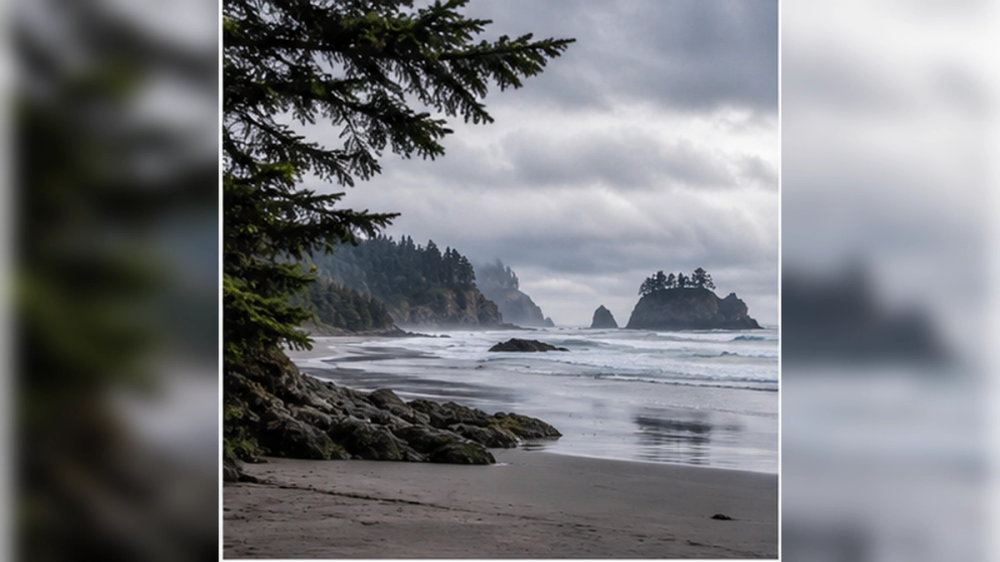
Pacific Rim National Park Reserve sits on the west coast of Vancouver Island near Tofino and Ucluelet. The park is known for Long Beach, rainforest boardwalks, coastal trails, storm watching, surfing, misty mornings and a shoreline that feels very different from the Rockies. It is a strong first big trip for visitors who want the Pacific coast, especially if they are already planning Vancouver Island.
Key facts
- Province: British Columbia.
- Main bases: Tofino and Ucluelet.
- Best season for a first trip: May to September for easier weather; October to March for storm watching if you are prepared for rain.
- Access: Parks Canada admission is required in national park reserve areas. Ferry and accommodation bookings are often the bigger planning constraints.
- First-trip strength: beaches, rainforest, surf culture and a very Canadian west coast setting.
Access and management
Pacific Rim is managed by Parks Canada. Visitors need park admission for national park reserve areas, and parking rules are enforced at popular beaches and trailheads. Most travellers drive from Nanaimo after taking BC Ferries from the mainland, so ferry reservations can matter during holidays and summer weekends. Accommodation in Tofino and Ucluelet can be expensive and limited, which makes early booking more important than in many inland parks.
Activities and experiences
Start with Long Beach, the Rainforest Trail, Shorepine Bog Trail, South Beach Trail and the Wild Pacific Trail near Ucluelet. Surf lessons, beach walks and sunset viewpoints make the area feel relaxed even when the logistics are not. If you want a bigger trip, pair Pacific Rim with Victoria, Nanaimo, Cathedral Grove or a slow Vancouver Island road trip.
Tourism importance
Pacific Rim is one of Canada's defining coastal parks. It protects temperate rainforest, beaches and marine-influenced ecosystems while also sitting beside communities where tourism is central to the local economy.
5. Gros Morne National Park
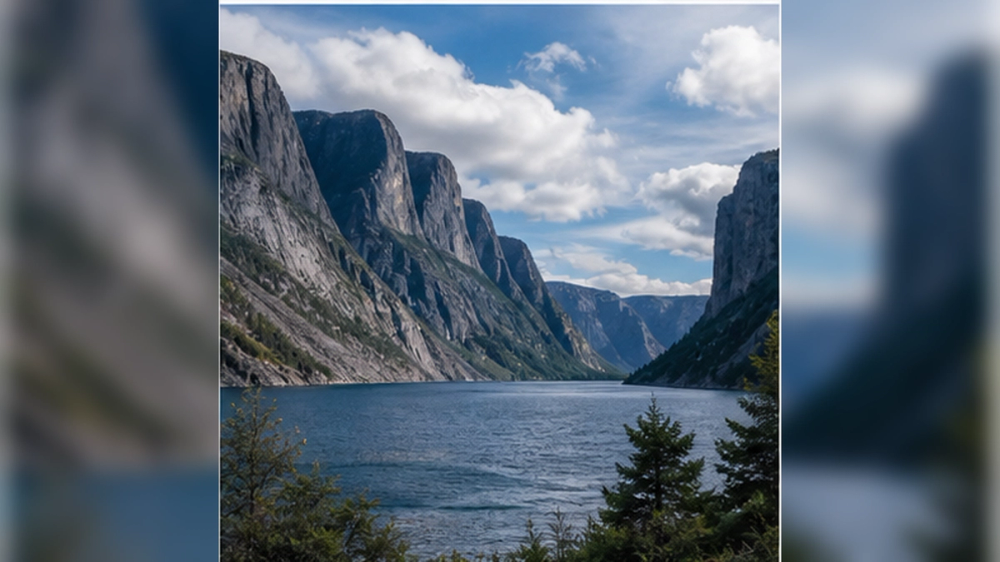
Gros Morne National Park is on Newfoundland's west coast. It is a UNESCO World Heritage Site known for fjord-like scenery, the Tablelands, coastal villages, hiking, geology and Western Brook Pond. The park feels different from the Rockies and the Pacific coast. It is less about one famous photo and more about landscapes that explain how mountains, oceans and ancient rock shaped the region.
Key facts
- Province: Newfoundland and Labrador.
- Main bases: Rocky Harbour, Norris Point and Woody Point.
- Best season for a first trip: June to September, with July and August offering the easiest visitor services.
- Access: Parks Canada admission is required. Many experiences are seasonal, including boat tours and some guided activities.
- First-trip strength: geology, coastal scenery, hiking and a destination that feels far from standard city itineraries.
Access and management
Gros Morne is managed by Parks Canada and requires park admission. The park is large enough that visitors should think in regions rather than stops. Western Brook Pond boat tours require planning because the dock is reached by a walk from the parking area. The Tablelands, Green Gardens and Lookout Trail all require weather awareness, proper footwear and realistic timing.
Activities and experiences
First-time visitors should build around Western Brook Pond, the Tablelands, Green Gardens, Lobster Cove Head Lighthouse, Norris Point and Trout River. The Tablelands are especially important because they expose rock from the Earth's mantle, which is rare to see so clearly. If you have five to seven days, Gros Morne can anchor a full Newfoundland west coast trip.
Tourism importance
Gros Morne is internationally significant because of its geology and landscape history. It is also one of Canada's best examples of a national park where scenery, science and local communities are tightly connected.
6. Cape Breton Highlands National Park
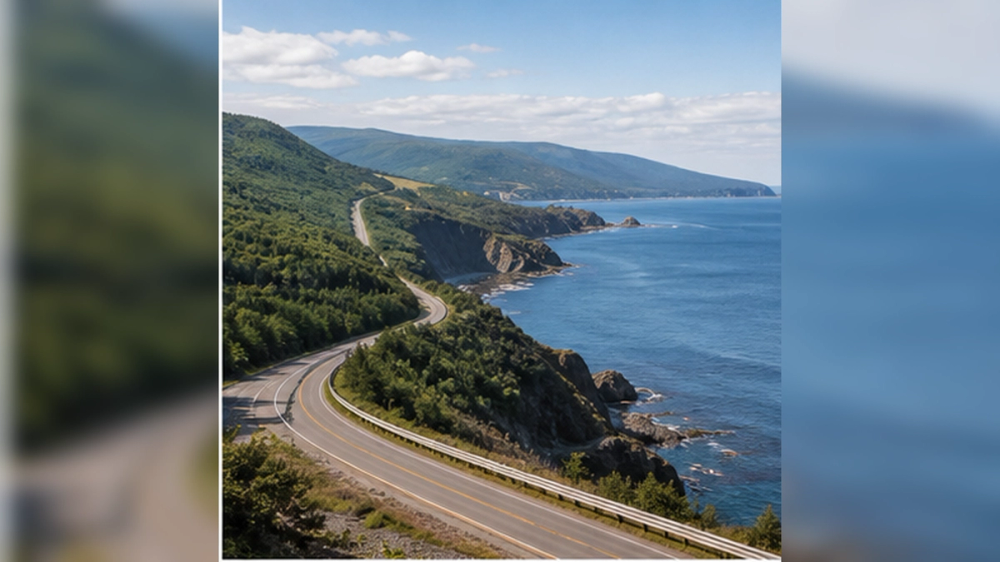
Cape Breton Highlands National Park sits along the northern section of Nova Scotia's Cabot Trail. It combines coastal cliffs, highland plateaus, beaches, waterfalls, forest and ocean viewpoints. For first-time visitors to Atlantic Canada, it is one of the most efficient parks because the road trip itself is part of the experience. You do not need to be a backcountry hiker to understand why people come here.
Key facts
- Province: Nova Scotia.
- Main bases: Cheticamp and Ingonish.
- Best season for a first trip: June to October, with fall colours often strongest from late September into October.
- Access: Parks Canada admission is required. Some parking and trail access rules can change during busy periods.
- First-trip strength: Cabot Trail scenery, ocean viewpoints and easy-to-plan Atlantic Canada travel.
Access and management
Cape Breton Highlands is managed by Parks Canada and requires park admission. The Cabot Trail passes through the park, but stopping at trails, beaches and viewpoints means you should have the correct pass. Parks Canada has used parking reservations for the Skyline Trail during busy periods, so check current rules before assuming you can simply arrive at peak time.
Activities and experiences
The signature stop is the Skyline Trail, which ends at one of Canada's best-known coastal boardwalk viewpoints. Add Middle Head, Ingonish Beach, MacIntosh Brook, Bog Trail, Black Brook Beach and scenic pullouts along the Cabot Trail. The park works well over two or three days, especially if you split nights between the west and east sides instead of rushing the entire loop.
Tourism importance
Cape Breton Highlands is one of the anchors of Atlantic Canada's tourism identity. It turns the Cabot Trail from a scenic drive into a protected landscape experience with trails, beaches and managed viewpoints.
7. Fundy National Park
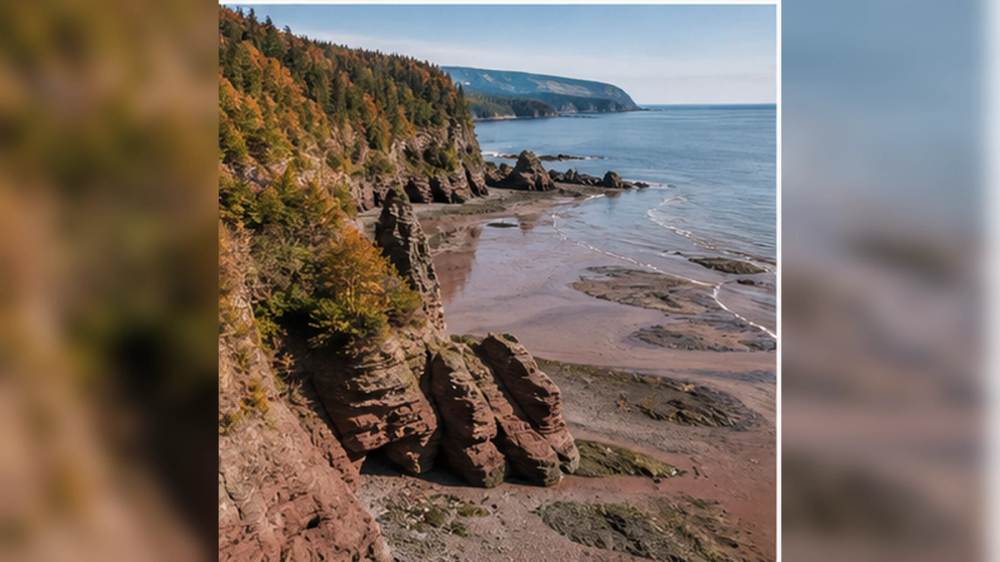
Fundy National Park is on the Bay of Fundy in New Brunswick, near the village of Alma. The park is known for extreme tides, coastal forest, waterfalls, covered bridges, beaches, red mudflats and hiking trails. It is smaller and easier to manage than many western parks, which makes it a good first national park trip for travellers who want nature without a long mountain itinerary.
Key facts
- Province: New Brunswick.
- Main base: Alma.
- Best season for a first trip: June to September for full services; fall for quieter hiking and cooler weather.
- Access: Parks Canada admission is required. Tide timing affects beaches and coastal viewpoints.
- First-trip strength: high tides, compact park logistics and easy links to Hopewell Rocks and Saint John.
Access and management
Fundy is managed by Parks Canada and requires park admission. The key planning detail is tide timing. A beach that is walkable at low tide can look completely different hours later. If you add Hopewell Rocks outside the park, that is a separate managed attraction with its own admission and rules.
Activities and experiences
Start with Alma Beach, Dickson Falls, Point Wolfe, Laverty Falls, Herring Cove and the coastal lookouts. Families and casual hikers can have a strong trip with short trails, tide watching and a seafood stop in Alma. More active travellers can use Fundy as part of a New Brunswick loop with Hopewell Rocks, Saint John and the Fundy Trail Parkway.
Tourism importance
Fundy National Park is important because it makes the Bay of Fundy's tide system accessible to visitors. It is not as famous internationally as Banff, but it offers one of Canada's clearest examples of how ocean movement shapes daily travel plans.
Suggested first big trip routes
- Classic Rockies: Calgary, Banff, Lake Louise, Yoho and Jasper over 7 to 10 days. This is the strongest first choice if you want mountains, lakes and scenic drives.
- Vancouver Island coast: Vancouver, Victoria, Nanaimo, Tofino, Ucluelet and Pacific Rim over 6 to 9 days. This works best if you want beaches, food, ferries and rainforest.
- Atlantic cliffs and tides: Halifax, Cape Breton Highlands, Fundy National Park and Hopewell Rocks over 8 to 12 days. This is best for coastal roads, small towns and ocean scenery.
- Newfoundland west coast: Deer Lake, Gros Morne, Rocky Harbour, Woody Point and nearby coastal communities over 5 to 8 days. This is best for geology, hiking and a slower trip.
Budget and booking notes
The park pass is usually not the biggest expense. Accommodation, flights, car rentals, ferries, shuttles, fuel and food can matter much more. Banff, Lake Louise, Tofino and Jasper can become expensive quickly in summer. Gros Morne may require more transportation planning because flights and car rentals are limited. Cape Breton and Fundy can be more flexible, but summer weekends still book up.
If you are visiting multiple Parks Canada places, compare daily admission with the Discovery Pass. If you are travelling during a special free-admission period, remember that free entry does not automatically include camping, reservations, shuttles, guided activities, parking reservations or third-party transportation.
For packing basics, use the Canada hiking essentials guide. For a west coast add-on after Pacific Rim, compare ideas in the scenic drives near Vancouver guide.
FAQ
Do I need a Parks Canada pass for these parks?
In most cases, yes. National parks and national park reserves generally require daily admission or a valid Discovery Pass. Some special periods may reduce or remove admission fees, but access extras such as shuttles, camping, parking reservations, ferries or tours can still cost money.
Which national park is best for a first Canada trip?
Banff is the most obvious first choice because it delivers famous Canadian Rockies scenery with strong visitor infrastructure. If you want fewer crowds and have more time, combine Banff with Jasper or Yoho. If you prefer coast over mountains, choose Pacific Rim or Cape Breton Highlands.
Can I visit these parks without a car?
Some pieces are possible without a car, but a first big national park trip is usually easier with one. Banff has shuttle and transit options for major lake areas. Pacific Rim can be reached with a mix of ferry, bus and local transportation, but it is much easier by car. Gros Morne, Fundy and Cape Breton Highlands are much more practical with a vehicle.
How early should I book?
For Banff, Lake Louise, Tofino, Jasper and campgrounds, book as early as you can once your dates are firm. For ferries, shuttles, Lake O'Hara, Skyline Trail parking rules, boat tours and popular accommodations, check the official booking window instead of waiting until the trip is close.
Related travel guides:
- The Canada Travel Bucket List: 25 Experiences Worth Planning Around
- 17 Essential Items for Your Hike in Canada
- Top 5 Scenic Drives Near Vancouver: Whistler, Harrison Hot Springs, Sunshine Coast, Manning Park and Kelowna
- 5 Unforgettable Day Trips From Vancouver: Whistler, Victoria, Whale Watching, Capilano and a Seaplane Tour
Page details
Author: Thomas Tremblay
Updated: June 26, 2026
Last reviewed: June 17, 2026
Cite this page: Canooq.ca, Canada's Best National Parks for a First Big Trip, https://www.canooq.ca/travel/best-national-parks-canada-first-big-trip
Canooq content is educational and may include affiliate or referral links. It is not financial, tax, legal, immigration, employment, mortgage, real estate, or healthcare advice. Verify official sources and provider terms before acting.
Enjoy Canooq? Let us keep helping you — make Canooq a preferred source on Google.