Ontario Bucket List: 10 Unmissable Things to Do

June 18, 2026
Ten unmissable Ontario experiences with practical advice on seasons, access, reservations, costs and trip timing.
What's on this page
An unranked Ontario bucket list built around ten trips worth planning for, from headline sights to remote landscapes.
Ontario’s size defeats checklist travel. Toronto and Niagara fit one southern itinerary, Ottawa and the Thousand Islands another, while Algonquin, Georgian Bay and Lake Superior need separate road trips. Choose one corridor, then add a park or island stay that lets you leave the highway.
Each experience below can carry a trip on its own, and each offers a side of the province that travellers would miss on a quick capital-city stop. Use the season and access notes to group compatible places instead of forcing distant regions into one itinerary.
A strong route also leaves time for meals, weather changes and the small roadside stops that make each region distinct. Keep one half-day unclaimed; it can absorb a delayed ferry or become the best unscripted part of the trip.
1. Experience Niagara Falls from the water
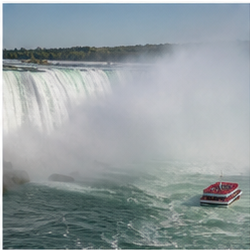
The Horseshoe Falls feel different from the river, where spray and noise erase the postcard distance. Pair the boat with the Niagara Parkway and stay after dark for illumination instead of returning to Toronto at rush hour.
Plan 1 to 2 days for this experience. The strongest window is May to October for boat service. Reach Niagara Falls by car, bus or seasonal GO service; local transit links attractions.
Reserve boat departures and summer rooms. Carry a passport only if crossing the border. Viewing is free; boats, parking and major attractions add moderate costs. Prices, schedules and operating dates can change between seasons, so use the linked official page before paying for transport or accommodation.
Practical details
- Best season: May to October for boat service
- Time required: 1 to 2 days
- Access: Reach Niagara Falls by car, bus or seasonal GO service; local transit links attractions.
- Booking: Reserve boat departures and summer rooms. Carry a passport only if crossing the border.
- Cost: Viewing is free; boats, parking and major attractions add moderate costs.
Official planning source: niagaraparks.com.
Check the forecast again on the morning of departure. Mountain, marine and prairie conditions can shift faster than a city forecast suggests. Carry water and layers, download the route before leaving service, and follow closures even when an older trip report shows the road or trail open.
2. Explore Toronto’s neighbourhoods and waterfront

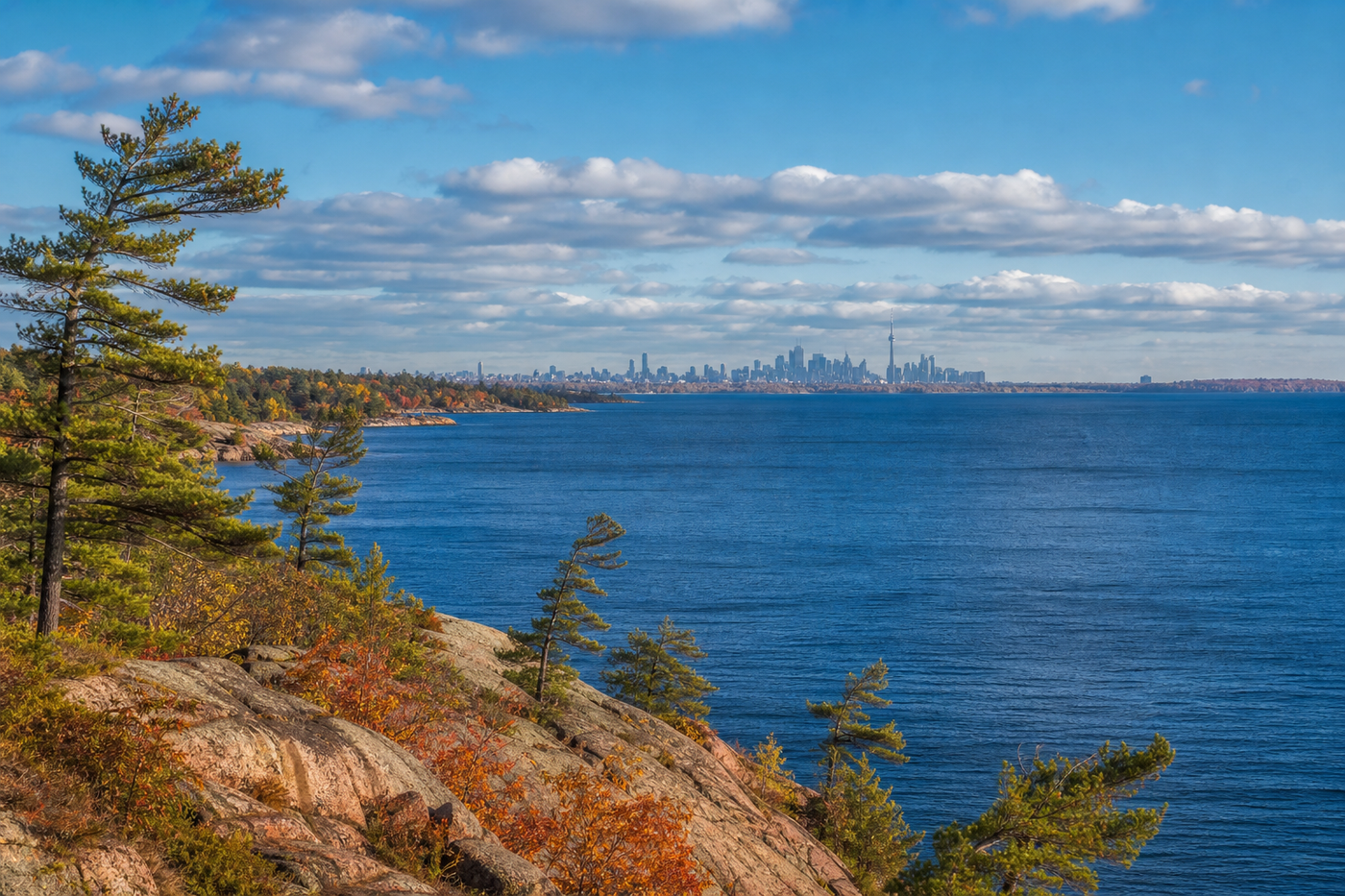
Toronto rewards a neighbourhood plan. Link Kensington Market, Chinatown and the west end on one day, then use the harbour and islands to see the skyline from open water.
Plan 3 to 5 days for this experience. The strongest window is May to October; year-round for culture. Use the TTC, walking and ferries; avoid relying on a car downtown.
Reserve major events, restaurants and Toronto Island ferry time. Neighbourhood walks are free; food, museums and accommodation can be expensive. Prices, schedules and operating dates can change between seasons, so use the linked official page before paying for transport or accommodation.
Practical details
- Best season: May to October; year-round for culture
- Time required: 3 to 5 days
- Access: Use the TTC, walking and ferries; avoid relying on a car downtown.
- Booking: Reserve major events, restaurants and Toronto Island ferry time.
- Cost: Neighbourhood walks are free; food, museums and accommodation can be expensive.
Official planning source: destinationtoronto.com.
Leave an unscheduled hour in the day. Ferry loading, road work, wildlife on the road and crowded trailhead parking can erase a tight connection. Keep food and a charged phone in the vehicle, and avoid placing a non-refundable booking directly after a long rural drive.
3. Visit Ottawa, Parliament Hill and the Rideau Canal
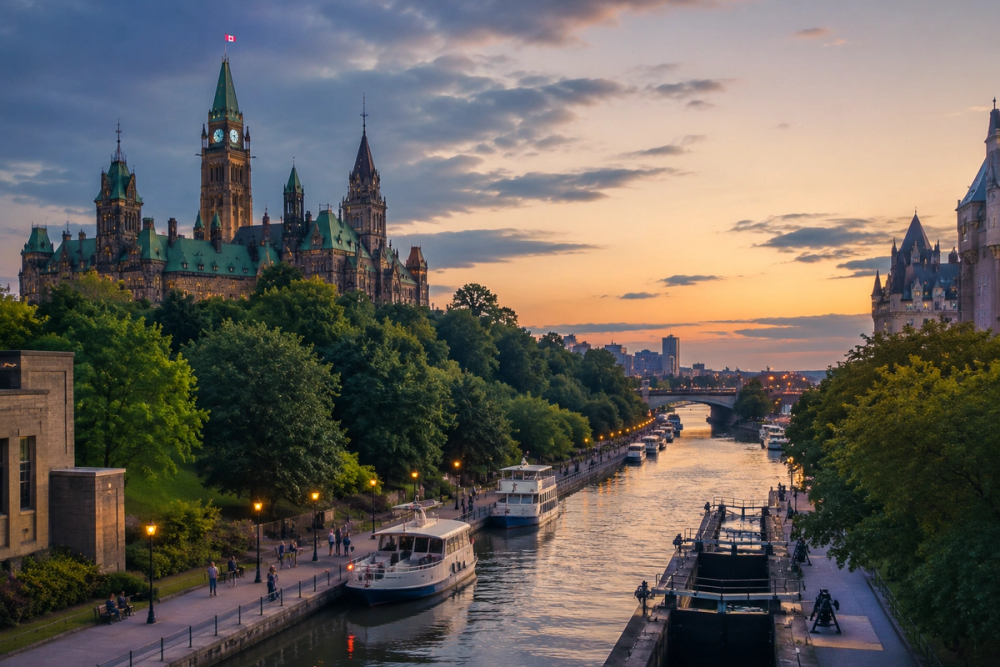
Ottawa places national institutions beside the Ottawa River and Rideau Canal. Tour Parliament, choose one major museum and cross to Gatineau for a fuller view of the capital region.
Plan 2 to 3 days for this experience. The strongest window is May to October; winter for skating when open. Walk central sights and use transit. VIA Rail links Ottawa with Toronto and Montreal.
Reserve Parliament tours and check canal conditions or construction notices. Many national museums charge admission; outdoor landmarks are free. Prices, schedules and operating dates can change between seasons, so use the linked official page before paying for transport or accommodation.
Practical details
- Best season: May to October; winter for skating when open
- Time required: 2 to 3 days
- Access: Walk central sights and use transit. VIA Rail links Ottawa with Toronto and Montreal.
- Booking: Reserve Parliament tours and check canal conditions or construction notices.
- Cost: Many national museums charge admission; outdoor landmarks are free.
Official planning source: ottawatourism.ca.
Local staff provide the best same-day information. Ask about smoke, tides, washouts, wildlife and the return journey before setting out. A map saved offline helps when cell coverage ends, but posted signs and current closure notices take priority over downloaded tracks.
4. Canoe in Algonquin Provincial Park
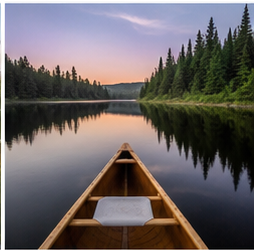
Algonquin is the Ontario canoe trip many travellers picture: granite, pine, lakes and the chance to hear wolves or loons after dark. Beginners should choose a short route or guide, while experienced paddlers can build an interior circuit.
Plan 2 to 5 days for this experience. The strongest window is May to October. Drive Highway 60 or use an outfitter access point. Interior trips require portages.
Reserve permits, campsites and canoe rentals; check fire and bear notices. Park permits and rentals are moderate; guided trips cost more. Prices, schedules and operating dates can change between seasons, so use the linked official page before paying for transport or accommodation.
Practical details
- Best season: May to October
- Time required: 2 to 5 days
- Access: Drive Highway 60 or use an outfitter access point. Interior trips require portages.
- Booking: Reserve permits, campsites and canoe rentals; check fire and bear notices.
- Cost: Park permits and rentals are moderate; guided trips cost more.
Official planning source: ontarioparks.ca.
Remote services run on a different scale from city travel. Fuel before the gauge looks urgent, carry food beyond the planned meal, and confirm the final check-in time with the accommodation. Tell someone the route when hiking, paddling or driving beyond regular traffic.
5. Explore Bruce Peninsula and Fathom Five
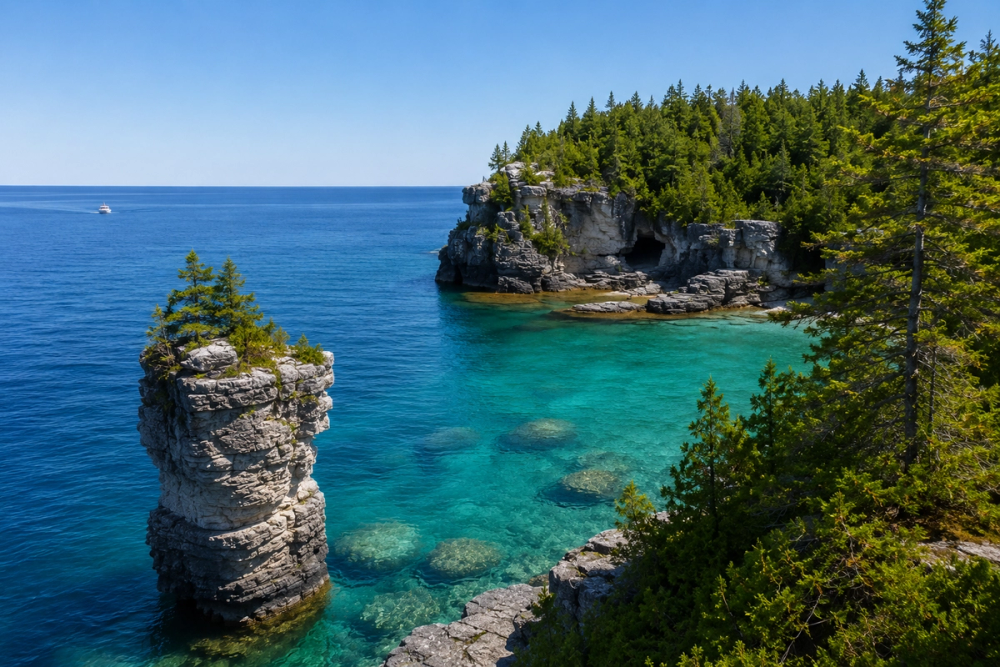
Clear Georgian Bay water, limestone cliffs and shipwrecks give Tobermory its draw. Balance the famous Grotto with a quieter coast walk and a Fathom Five boat trip or dive.
Plan 2 to 4 days for this experience. The strongest window is June to September. Drive to Tobermory; parking reservations apply at popular park sites.
Reserve Grotto parking, camping, boat tours and ferries well ahead. Parks, parking and cruises create moderate costs. Prices, schedules and operating dates can change between seasons, so use the linked official page before paying for transport or accommodation.
Practical details
- Best season: June to September
- Time required: 2 to 4 days
- Access: Drive to Tobermory; parking reservations apply at popular park sites.
- Booking: Reserve Grotto parking, camping, boat tours and ferries well ahead.
- Cost: Parks, parking and cruises create moderate costs.
Official planning source: parks.canada.ca.
Protect the place that brought you here. Stay on durable surfaces, pack out food and waste, keep drones out of restricted areas and give wildlife space. Roadside animals can draw unsafe crowds, so continue to the next legal pullout instead of stopping in a traffic lane.
6. Cruise the Thousand Islands
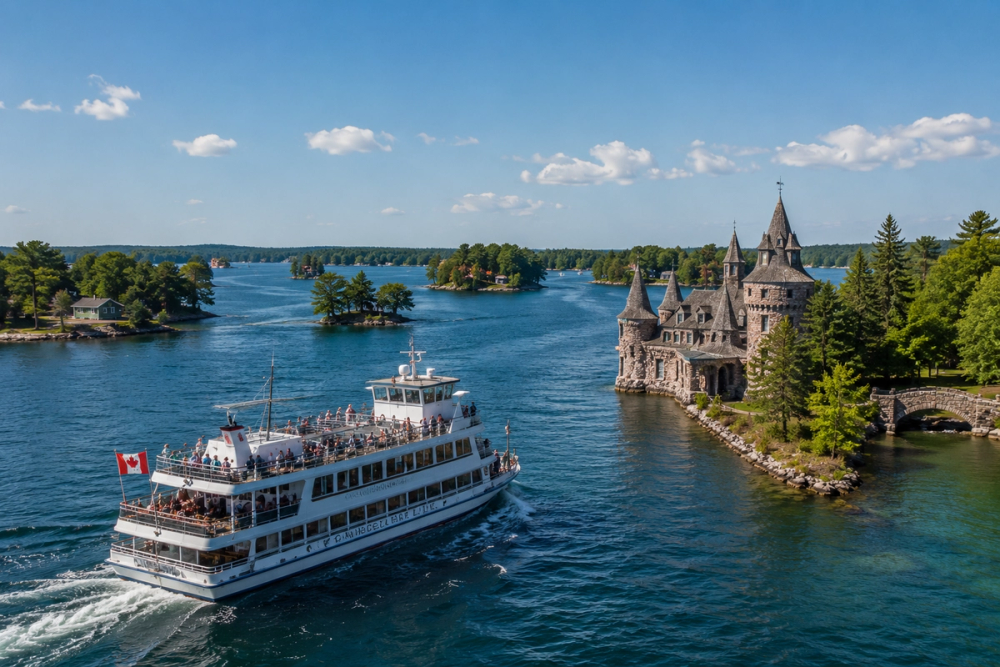
The St. Lawrence River threads between wooded islands, cottages and historic sites. Choose a departure point by cruise length, then add Kingston or Gananoque rather than spending the day only on the boat.
Plan 1 to 2 days for this experience. The strongest window is May to October. Drive or take the train to Kingston, Gananoque or Brockville, then join a cruise.
Reserve cruises and summer rooms; bring border documents only for itineraries that require them. Waterfront walking is free; cruises are moderate. Prices, schedules and operating dates can change between seasons, so use the linked official page before paying for transport or accommodation.
Practical details
- Best season: May to October
- Time required: 1 to 2 days
- Access: Drive or take the train to Kingston, Gananoque or Brockville, then join a cruise.
- Booking: Reserve cruises and summer rooms; bring border documents only for itineraries that require them.
- Cost: Waterfront walking is free; cruises are moderate.
Official planning source: 1000islandstourism.com.
Cold water changes the risk on beaches, boats and paddling routes, even during a hot afternoon. Use the operator’s safety equipment, keep children within reach and skip exposed water when wind rises. Marine forecasts matter more than the temperature shown for the nearest town.
7. Spend a summer weekend in Muskoka
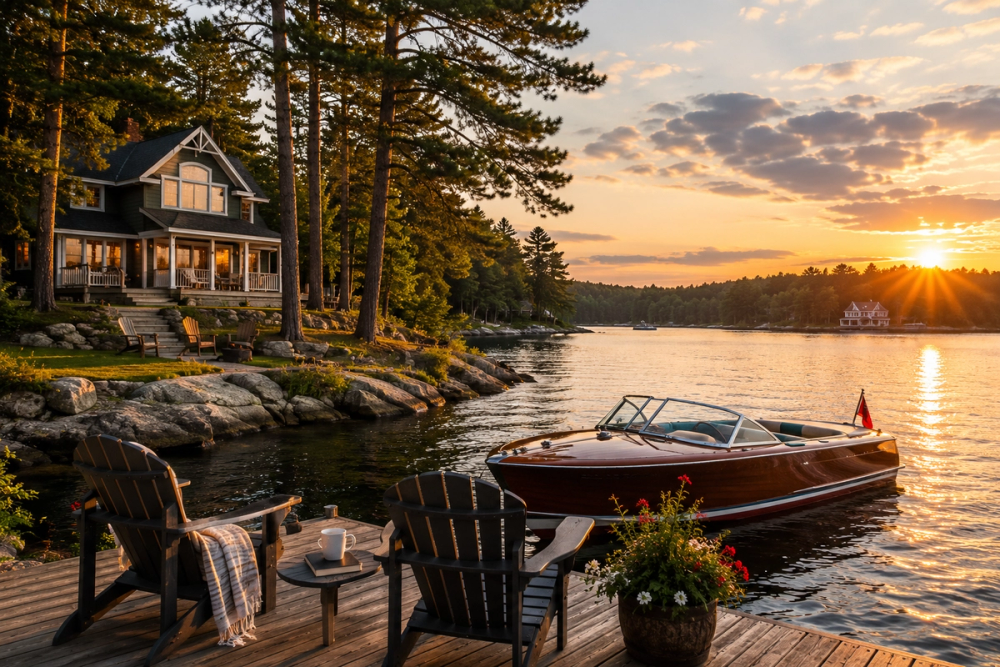
Muskoka’s appeal comes from time on the water. Pick one lake base, add a steamship cruise or paddle, and resist driving between too many towns in search of one perfect dock.
Plan 2 to 4 days for this experience. The strongest window is June to September; fall for colour. A car is the practical way to reach towns, lakes and trails.
Reserve cottages, resorts and boat rentals months ahead for summer. Public beaches can be cheap; waterfront lodging is expensive. Prices, schedules and operating dates can change between seasons, so use the linked official page before paying for transport or accommodation.
Practical details
- Best season: June to September; fall for colour
- Time required: 2 to 4 days
- Access: A car is the practical way to reach towns, lakes and trails.
- Booking: Reserve cottages, resorts and boat rentals months ahead for summer.
- Cost: Public beaches can be cheap; waterfront lodging is expensive.
Official planning source: discovermuskoka.ca.
Heat and sun can turn a short open trail into a hard outing. Start early, carry more water than the distance seems to require and use shade when it exists. Thunderstorms, wildfire smoke and extreme-heat warnings provide sound reasons to replace the plan with a museum or town day.
8. Hike Killarney Provincial Park
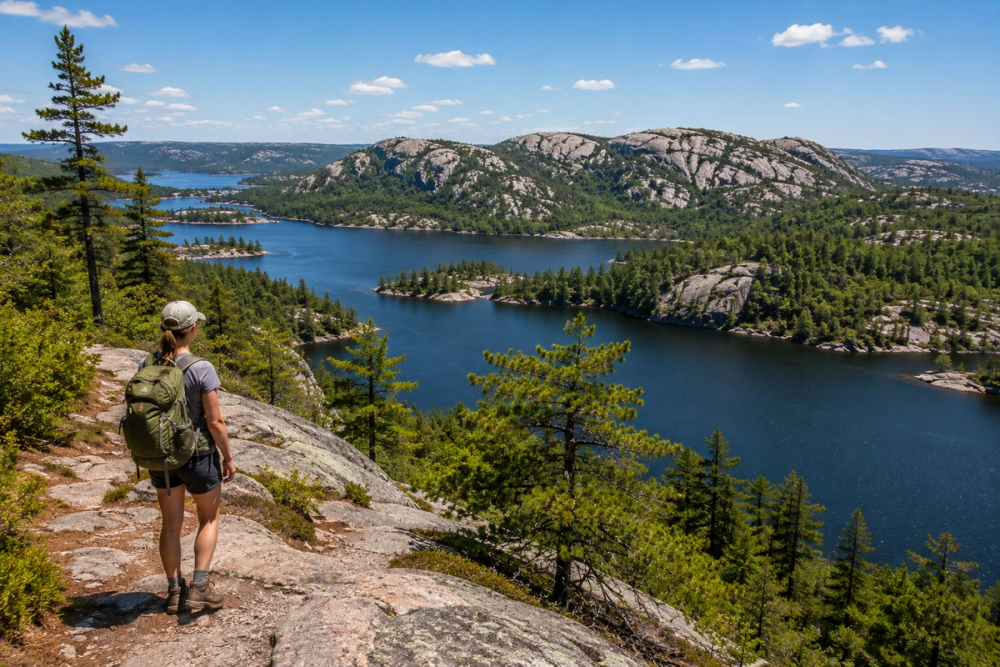
White quartzite ridges rise above blue lakes in one of Ontario’s most distinct parks. The Crack offers a demanding day hike, while canoe routes and the La Cloche Silhouette Trail require deeper preparation.
Plan 2 to 4 days for this experience. The strongest window is June to October. Drive from Highway 69; many backcountry routes start away from services.
Reserve camping and permits, and prepare for rugged trails. Permits and camping are moderate; equipment and shuttles add cost. Prices, schedules and operating dates can change between seasons, so use the linked official page before paying for transport or accommodation.
Practical details
- Best season: June to October
- Time required: 2 to 4 days
- Access: Drive from Highway 69; many backcountry routes start away from services.
- Booking: Reserve camping and permits, and prepare for rugged trails.
- Cost: Permits and camping are moderate; equipment and shuttles add cost.
Official planning source: ontarioparks.ca.
Treat reservation times as part of the route. Arrive early enough for parking, check-in and washrooms, then keep confirmation details available offline. If a shuttle, ferry or tour controls access, missing it may remove the experience from the day rather than delay it by a few minutes.
9. Drive the Lake Superior coast
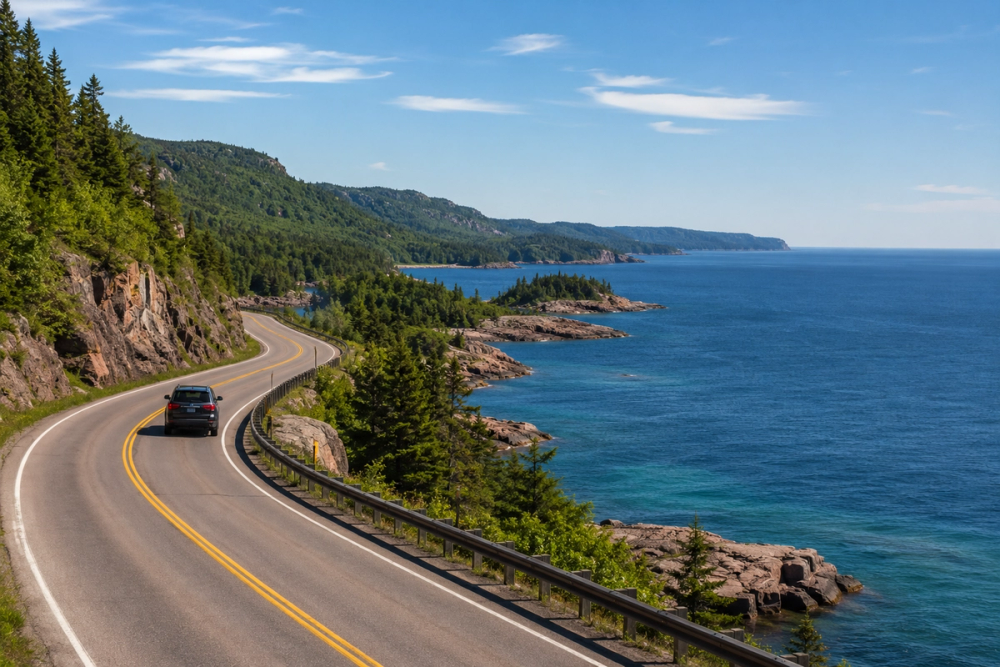
Lake Superior often looks like an inland sea from Highway 17. Build days around Lake Superior Provincial Park, Pukaskwa, beaches and overlooks, then leave enough slack for weather and long gaps between services.
Plan 5 to 8 days for this experience. The strongest window is June to October. Drive Highway 17 between Sault Ste. Marie and Thunder Bay with regular fuel stops.
Reserve park camping and motels; check construction, fog and wildfire reports. The road is free; distance, fuel and accommodation shape the budget. Prices, schedules and operating dates can change between seasons, so use the linked official page before paying for transport or accommodation.
Practical details
- Best season: June to October
- Time required: 5 to 8 days
- Access: Drive Highway 17 between Sault Ste. Marie and Thunder Bay with regular fuel stops.
- Booking: Reserve park camping and motels; check construction, fog and wildfire reports.
- Cost: The road is free; distance, fuel and accommodation shape the budget.
Official planning source: northernontario.travel.
Respect communities as places where people live. Park only where permitted, keep noise down near homes and buy food or guiding from local operators when possible. Indigenous cultural experiences deserve advance booking, attentive participation and the same photography rules the host sets for every visitor.
10. Visit Manitoulin Island
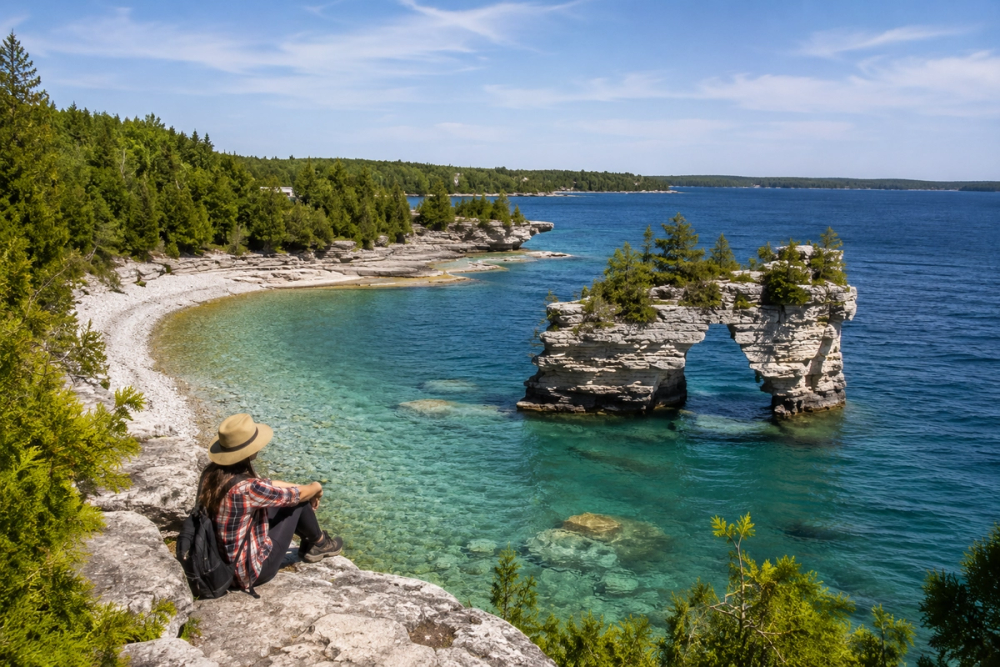
Manitoulin combines freshwater coast, waterfalls, small communities and Anishinaabe culture on the world’s largest freshwater island. Stay several nights and join Indigenous-led experiences with the attention they deserve.
Plan 3 to 5 days for this experience. The strongest window is May to October. Drive via Little Current or take the seasonal Chi-Cheemaun ferry to South Baymouth.
Reserve ferry vehicle space, lodging and guided cultural experiences. Ferry fares and accommodation create moderate costs. Prices, schedules and operating dates can change between seasons, so use the linked official page before paying for transport or accommodation.
Practical details
- Best season: May to October
- Time required: 3 to 5 days
- Access: Drive via Little Current or take the seasonal Chi-Cheemaun ferry to South Baymouth.
- Booking: Reserve ferry vehicle space, lodging and guided cultural experiences.
- Cost: Ferry fares and accommodation create moderate costs.
Official planning source: destinationmanitoulinisland.ca.
Build a safe return into the plan before leaving. Daylight, fatigue and weather matter as much as distance. Set a turnaround time for hikes and paddles, carry a light, and do not rely on finding an open restaurant, fuel station or taxi late in a small community.
How to plan a Ontario bucket-list trip
Start with the experience that has the narrowest season or hardest reservation. Wildlife departures, ferries, backcountry permits and remote lodges should fix the trip dates. Add cities and flexible road stops around that anchor. A provincial trip rarely improves when you add one more distant region at the cost of two long driving days.
Reserve accommodation before transport only when the room supply is the true constraint. In national parks and small coastal communities, book both pieces together. Read cancellation terms, buy travel insurance for expensive remote packages, and keep one flexible block for weather. Travellers entering parks need the applicable federal or provincial pass even when a separate tour or shuttle has already been paid.
Pack for local conditions rather than the season printed on a calendar. Coastal wind, mountain snow, prairie heat and northern cold can appear in the same week. Carry offline maps, charging power and any medication you cannot replace in a small community. Wildlife needs distance; drones, food and roadside stopping rules protect both animals and visitors.
Frequently asked questions
How many days do you need for Ontario?
A focused first trip needs about seven to ten days. Choose one region or a tight road-trip corridor. Remote islands, northern wildlife and long wilderness routes can consume the full trip because transport runs on limited schedules.
Do you need a car in Ontario?
A car helps for most parks and coastal routes. Major cities can work without one, and remote destinations may require a train, ferry, charter flight or guided transfer instead. Check rental restrictions before taking a vehicle onto gravel roads.
What should you book first?
Book the least flexible piece first: wildlife packages, ferries, park shuttles, backcountry permits or limited rural accommodation. Then fit flights and city nights around it. Keep screenshots or offline copies of confirmations where cell service is weak.
Are these experiences suitable for children?
Many city, beach and short-trail experiences suit families, while exposed hikes, cold-water trips and fly-in wilderness routes require age limits, skill and specialized gear. Ask the official operator about minimum ages and mobility needs before booking.
Continue planning with Canooq’s Canada travel bucket list or return to the Travel hub.
Sources and fact-checking
Canooq checked this Ontario guide against official tourism, park, municipal, Indigenous community and attraction sources on 2026-06-18. Access, fees, reservations, wildlife seasons, ferries and road conditions can change. Recheck the relevant official page before booking.
Experience Niagara Falls from the water
Explore Toronto’s neighbourhoods and waterfront
Visit Ottawa, Parliament Hill and the Rideau Canal
Canoe in Algonquin Provincial Park
Explore Bruce Peninsula and Fathom Five
Spend a summer weekend in Muskoka
Related travel guides:
Page details
Author: Canooq Editorial
Updated: June 18, 2026
Last reviewed: June 18, 2026
Cite this page: Canooq.ca, Ontario Bucket List: 10 Unmissable Things to Do, https://www.canooq.ca/travel/ontario-bucket-list
Canooq content is educational and may include affiliate or referral links. It is not financial, tax, legal, immigration, employment, mortgage, real estate, or healthcare advice. Verify official sources and provider terms before acting.