Ultimate Guide to Seeing the Northern Lights in Canada: Spots, Timing, and Gear

July 3, 2026
Plan a Northern Lights trip in Canada with the best viewing locations, timing, weather strategy, cold-weather gear, and camera settings.
What's on this page
Canada is one of the world's strongest aurora destinations when timing, dark skies, weather, and winter preparation line up.
Watching the sky dissolve into shimmering curtains of emerald, violet, and crimson is a defining Canadian winter experience. Because Canada contains vast expanses of wilderness situated directly under the auroral oval, it is one of the premier destinations on earth for viewing the Aurora Borealis.
However, catching this celestial display requires more than just looking up on a cold night. It demands an understanding of solar activity forecasts, regional weather patterns, and the logistics of traveling to remote northern communities. Proper preparation is the difference between standing comfortably under a dancing sky and spending a freezing night in the dark with nothing to show for it.
Here are the best strategies, locations, and practical tips for planning a successful Northern Lights trip in Canada.
1. Yellowknife, Northwest Territories
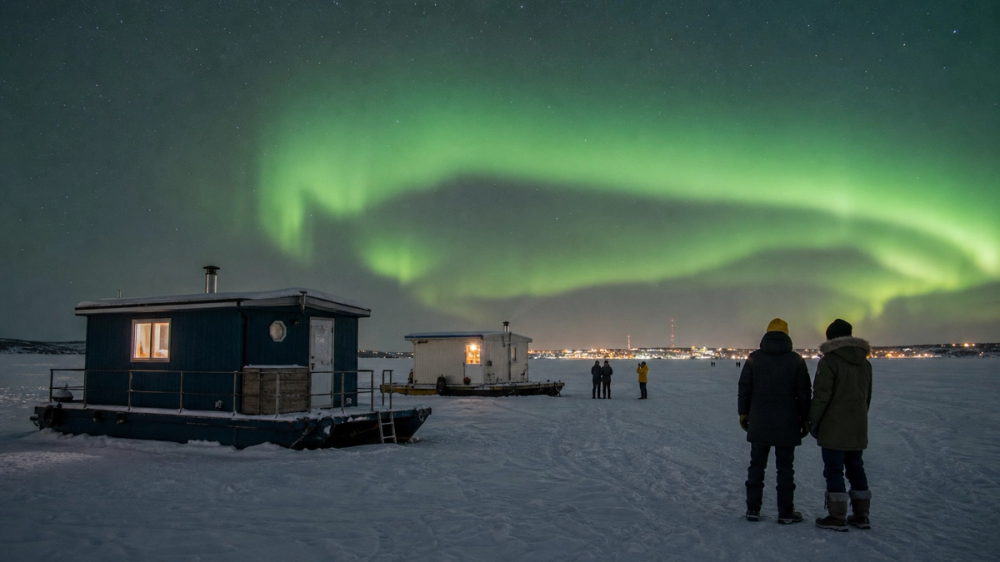
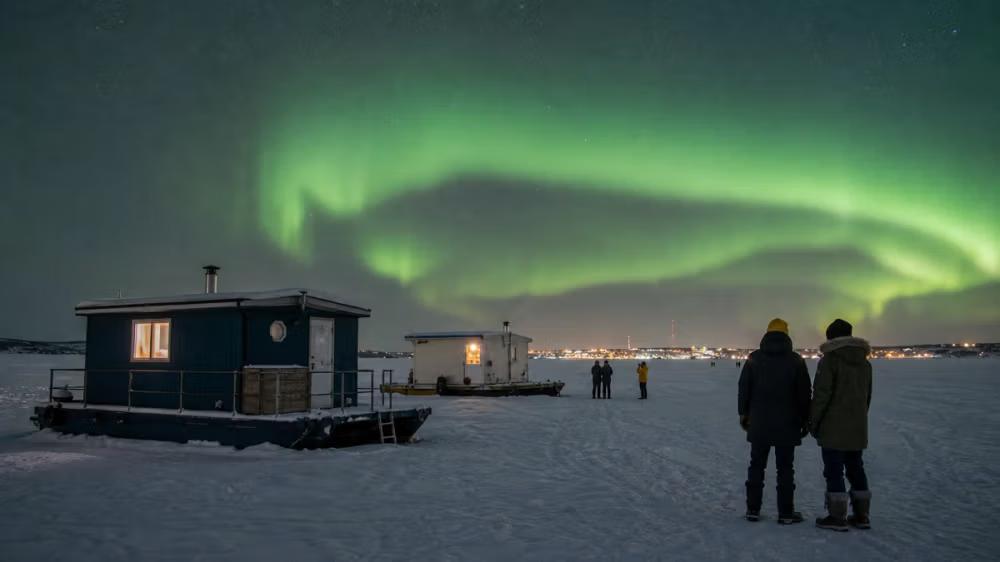
Yellowknife is widely considered the aurora capital of North America. Its position on the flat, subarctic shield puts it directly beneath the auroral oval, and its inland climate produces exceptionally clear winter skies. The lake ice creaks and pops in the sub-zero cold as the green bands begin to ripple across the dark sky, reflecting off the frozen expanse of Great Slave Lake. The dry, crisp air makes the colors appear remarkably sharp, contrasting with the dark silhouettes of pine forests and cozy wood-fired teepees.
How to Get There and Get Around
You can fly directly to Yellowknife Airport (YZF) from major hubs like Calgary, Edmonton, or Vancouver. While the city itself has basic transit, renting a four-wheel-drive vehicle equipped with winter tires is highly recommended if you plan to drive out of town to escape light pollution.
Trip Notes
- Best Vantage Points: Vee Lake and Prelude Lake Territorial Park, located along the Ingraham Trail, offer excellent dark sky viewing away from city lights. For a structured experience, Aurora Village features wood-stove-heated teepees, hot drinks, and custom viewing seats on a private, aboriginal-owned site.
- Local Timing: The viewing season runs from late August to mid-April. Winter brings the longest, darkest nights, but late summer offers warmer temperatures and the unique opportunity to see the lights reflecting off open water before the lakes freeze.
- Where to Stay: The Explorer Hotel offers a historic, upscale lodging experience in the heart of Yellowknife, complete with an on-site fireplace lounge. Chateau Nova Yellowknife provides modern rooms and a sauna, which is highly welcome after a night of viewing.
2. Whitehorse, Yukon
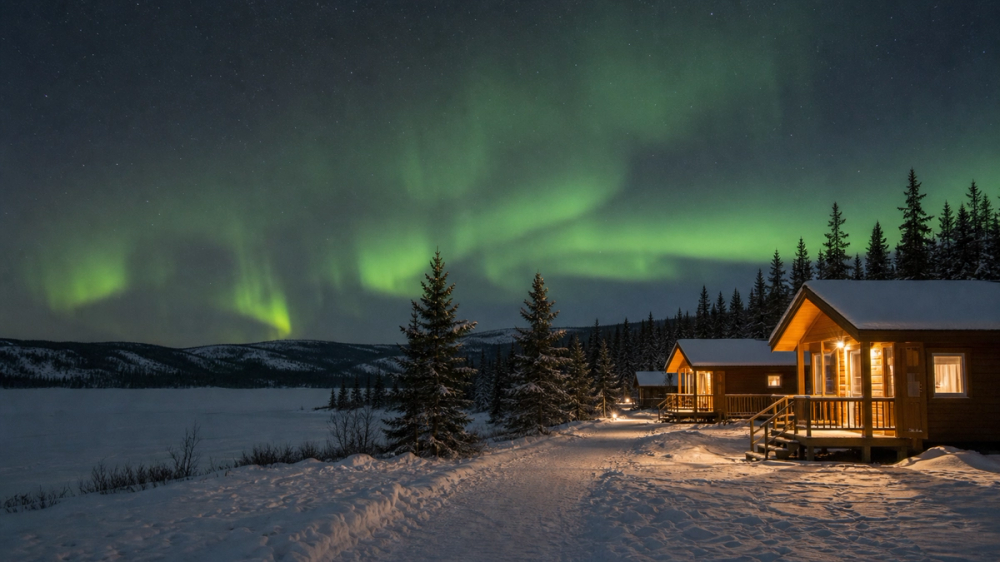
Nestled in a river valley surrounded by snow-capped mountains, Whitehorse offers a dramatic backdrop for the aurora. The Yukon territory combines the thrill of the gold rush trail with deep wilderness, making the search for the lights feel like a proper northern expedition. The green glow often creeps up over the ridges of the coastal mountains, casting a surreal light over the frozen Yukon River and the historic paddlewheel steamers docked along its banks.
How to Get There and Get Around
Fly into Erik Nielsen Whitehorse International Airport (YXY) from Vancouver or Calgary. The Alaska Highway runs directly through the city, providing access to remote viewing pullouts. Winter driving here requires caution due to black ice and sudden mountain snowstorms.
Trip Notes
- Where to Watch: Head out to Fish Lake or Chadburn Lake Road for wide, unobstructed horizons. If you have extra days, drive north along the Klondike Highway to Dawson City, where the Midnight Dome viewpoint offers panoramic views of the Yukon River valley under the green sky.
- Daytime Adventures: Spend your days relaxing in the natural mineral pools at Eclipse Nordic Hot Springs, or visit the Yukon Wildlife Preserve to see moose, wood bison, and arctic foxes in their natural habitats.
- Where to Stay: The Northern Lights Resort & Spa features custom-built glass chalets designed specifically for watching the sky from the comfort of a warm bed. For a classic downtown stay, the Edgewater Hotel offers historic charm right on the riverfront.
3. Churchill, Manitoba
Located on the edge of Hudson Bay, Churchill is famous as a polar bear hub, but it is also one of the three best places in the world for auroral activity. The subarctic tundra climate creates a stark, wind-swept environment where the green and pink lights glow above a frozen coastline. The experience here is defined by the wilderness. You stand in a heated glass dome listening to the subarctic wind howl off the bay, knowing you are in one of the most remote and wild corners of the country.
How to Get There and Get Around
Churchill has no road access. Travelers must take a two-day train journey on Via Rail from Winnipeg or book a flight with Calm Air. Once in town, transport is handled via specialized tundra vehicles or organized tours due to the presence of polar bears.
Trip Notes
- Specialized Viewing: The Churchill Northern Studies Centre offers accommodation and an outdoor viewing deck designed for research and educational travel. Frontiers North Adventures operates the Aurora Pod, a heated, glass-walled structure parked on the tundra that allows for panoramic sky views in comfort.
- Safety Warning: Churchill is polar bear territory. Walking outside town limits after dark without a licensed guide is extremely dangerous. Stick to designated viewing platforms and escorted vehicles.
- Where to Stay: The Tundra Inn offers cozy, family-run accommodations in the center of town. For a fully inclusive package, book a multi-day itinerary with Frontiers North or Lazy Bear Expeditions, which include lodging, meals, and guided viewing transport.
4. Jasper National Park, Alberta
As one of the largest Dark Sky Preserves in the world, Jasper offers pristine stargazing conditions without requiring a flight to the far north. The towering peaks of the Canadian Rockies frame the night sky, creating a rugged silhouette underneath the stars. While the aurora is less frequent here than in the subarctic, seeing the green lights dance behind the jagged peaks of Mount Edith Cavell or reflect off the icy surface of Pyramid Lake is an unforgettable alpine sight.
How to Get There and Get Around
Jasper is a four-hour drive west of Edmonton or a five-hour drive north of Calgary along the Icefields Parkway, one of the most scenic highways in North America. Renting a vehicle with winter tires is essential, as the mountain passes can experience heavy snow. If you are exploring the broader region by car, you can find other driving ideas in our guide to scenic drives near Vancouver.
Trip Notes
- Best Spots: Pyramid Lake Island, Maligne Lake, and the Athabasca Lookout offer wide views facing north, away from the minor light pollution of the townsite.
- Dark Sky Festival: If you visit in October, the Jasper Dark Sky Festival features guest speakers, telescope viewings, and symphony performances under the stars.
- Where to Stay: Pyramid Lake Resort offers lakeside chalets with wood-burning stoves and direct access to the ice. The Fairmont Jasper Park Lodge provides luxury cabins scattered along the shores of Beauvert Lake.
5. Muncho Lake Provincial Park, British Columbia
For those driving the Alaska Highway, Muncho Lake is a hidden gem for aurora viewing. Located in northern British Columbia, this park is far removed from major cities, offering pitch-black skies and a deep sense of solitude. The emerald green of the lake water during the day matches the vivid green of the aurora at night, making the destination feel unified in color.
How to Get There and Get Around
Drive north along the Alaska Highway (Highway 97) from Fort St. John. The highway is paved but remote, with long stretches between services. Ensure your vehicle is fully prepared for winter driving and that you have emergency roadside supplies.
Trip Notes
- Soak and Watch: Spend the evening at Liard River Hot Springs, located just north of Muncho Lake. The provincial park manages this natural, wood-decked hot spring, which remains open year-round for a nominal day-use fee. Soaking in the steaming water while the aurora dances overhead is a highlight of the Alaska Highway route.
- Where to Stay: The Northern Rockies Lodge sits directly on the shore of Muncho Lake, offering cozy log cabins, a restaurant, and floatplane tours into the surrounding wilderness.
Essential Strategies for Success
To maximize your chances of seeing the aurora, follow these basic steps:
Monitor the Space Weather Forecast
The strength of the aurora is measured by the Kp index, which ranges from 0 to 9. A Kp index of 1 or 2 is sufficient for viewing in high-latitude spots like Yellowknife or Whitehorse. To see the lights in southern locations like Jasper or southern Ontario, you generally need a Kp index of 5 or higher. Monitor real-time forecasts using Space Weather Canada or the Aurora Forecast app.
Seek Clear, Dark Skies
Even the strongest solar storm cannot penetrate thick cloud cover. Check local satellite weather maps before heading out. Avoid any artificial light pollution, including car headlights, campfires, and cell phone screens, as your eyes require at least twenty minutes to adjust to the dark.
Pack the Right Cold-Weather Gear
Waiting for the aurora involves standing still for hours in sub-zero temperatures. Layering is critical. Dress in synthetic or wool base layers, add a thick fleece or wool mid-layer, and finish with a windproof down parka and insulated snow pants. Insulated winter boots, heavy mitts, and chemical hand warmers are essential. Because preparation for the extreme cold shares many of the same packing principles as wilderness safety, you can review our checklist of essential hiking items to ensure you have proper base layers, navigation lights, and emergency supplies.
Adjust Your Camera Settings
To capture the lights, you need a camera with manual controls and a sturdy tripod. Set your lens to its widest aperture (such as f/2.8 or lower) and manual focus, focusing on a bright star. Set your ISO between 800 and 3200, and use a shutter speed of 2 to 10 seconds. Keep spare batteries in an inside pocket close to your body, as extreme cold drains battery life rapidly.
Beyond the Northern Lights: Extending Your Winter Trip
If you want to turn your northern lights hunt into a longer winter vacation, consider extending your itinerary to include classic Canadian winter activities.
The Yukon Winter Loop
After watching the lights in Whitehorse, rent a snowmobile or book a dog sledding tour to explore the snowy valleys of the Ibex Valley. You can also drive to Haines Junction to view the massive glaciers of Kluane National Park from a flightseeing plane.
The Canadian Rockies Winter Road Trip
Extend your stay in Jasper by driving south along the Icefields Parkway to Lake Louise and Banff. This route takes you past frozen waterfalls, towering glaciers, and historic mountain towns, offering some of the best snowshoeing, ice walking, and downhill skiing in the country. You can browse more regional trip planning ideas on the Canooq travel hub.
Frequently Asked Questions
What month is best to see the Northern Lights in Canada?
The best months are December through March, as the nights are the longest and darkest of the year. However, late September and March are also excellent because the spring and autumn equinoxes often trigger higher solar activity.
Can you see the Northern Lights with the naked eye?
Yes. Strong auroral displays appear as bright green, yellow, or pink bands moving across the sky. However, weak displays may look like a faint grey mist to the naked eye, though a camera sensor using a long exposure will capture them as bright green.
How far north do I need to go?
While strong solar storms can push the aurora down to the US border, your chances are much higher if you travel north of the 60th parallel (into the Yukon, Northwest Territories, or Nunavut) or visit designated dark sky preserves in the provinces.
Sources and Resources
- Space Weather Canada: Real-time geomagnetic activity forecasts and auroral oval maps managed by Natural Resources Canada. Last checked: June 2026. spaceweather.gc.ca
- Parks Canada: Official guides, reservation details, and safety rules for Jasper National Park and Pacific Rim National Park Reserve. Last checked: June 2026. pc.gc.ca
- BC Parks: Access details, seasonal rules, and reservation systems for Liard River Hot Springs and Muncho Lake Provincial Park. Last checked: June 2026. bcparks.ca
- Northwest Territories Tourism: Official travel planning, winter safety advisories, and local tour operator listings for Yellowknife. Last checked: June 2026. spectacularnwt.com
Related travel guides:
Page details
Author: Thomas Tremblay
Updated: July 3, 2026
Last reviewed: July 3, 2026
Sources verified: July 3, 2026
Cite this page: Canooq.ca, Ultimate Guide to Seeing the Northern Lights in Canada: Spots, Timing, and Gear, https://www.canooq.ca/travel/northern-lights-viewing-guide-canada
Canooq content is educational and may include affiliate or referral links. It is not financial, tax, legal, immigration, employment, mortgage, real estate, or healthcare advice. Verify official sources and provider terms before acting.
Enjoy Canooq? Let us keep helping you — make Canooq a preferred source on Google.