Why Nova Scotia Should Be Your Next Canadian Travel Destination: 10 Compelling Arguments

July 8, 2026
Ten reasons to visit Nova Scotia, from the Bay of Fundy and Lunenburg to Cape Breton music, Annapolis Valley wine, lobster, beaches, and Halifax.
What's on this page
Nova Scotia offers a compact maritime trip with Fundy tides, colourful towns, Celtic culture, seafood, beaches, lighthouses, and warm local hospitality.
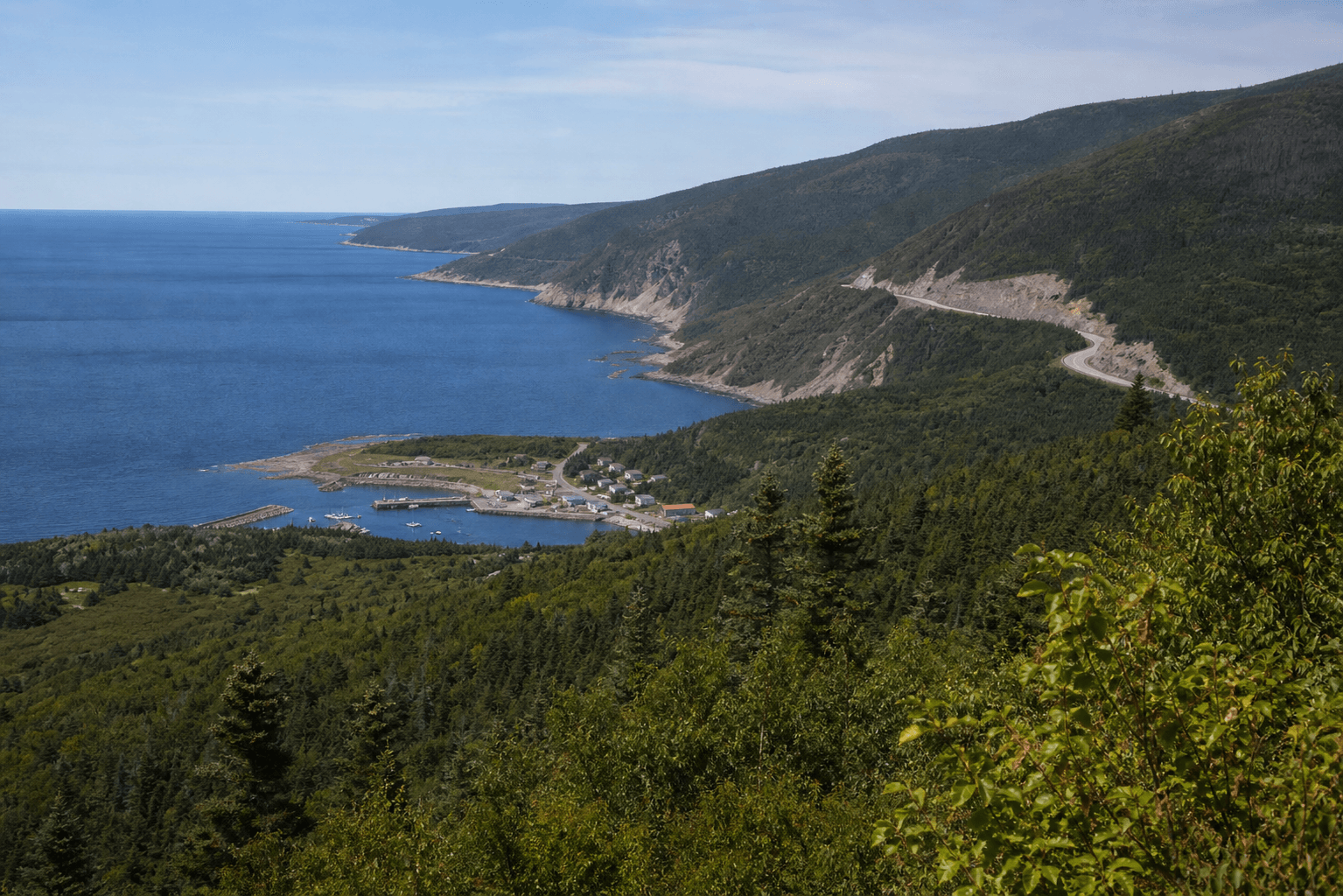
Nova Scotia sits on the eastern edge of Canada, a peninsula surrounded almost entirely by the cold waters of the Atlantic Ocean. It is a place where the highway maps lead to rugged coastal cliffs, historic fishing ports, green valleys, and white-sand beaches. While many travelers head west toward the Rocky Mountains, the east coast offers a distinct, slower pace of travel that combines dramatic maritime landscapes with deep cultural history.
However, planning an East Coast trip requires an understanding of regional logistics, ferry schedules, and seasonal attractions. If you are an international traveler flying into Canada via US hubs, ensure your paperwork is ready by reviewing our guide to NEXUS card processing times.
Here are ten arguments that show why Nova Scotia should be your next travel destination, highlighting the unique experiences that make this province stand out.
1. Witness the World's Highest Tides at the Bay of Fundy
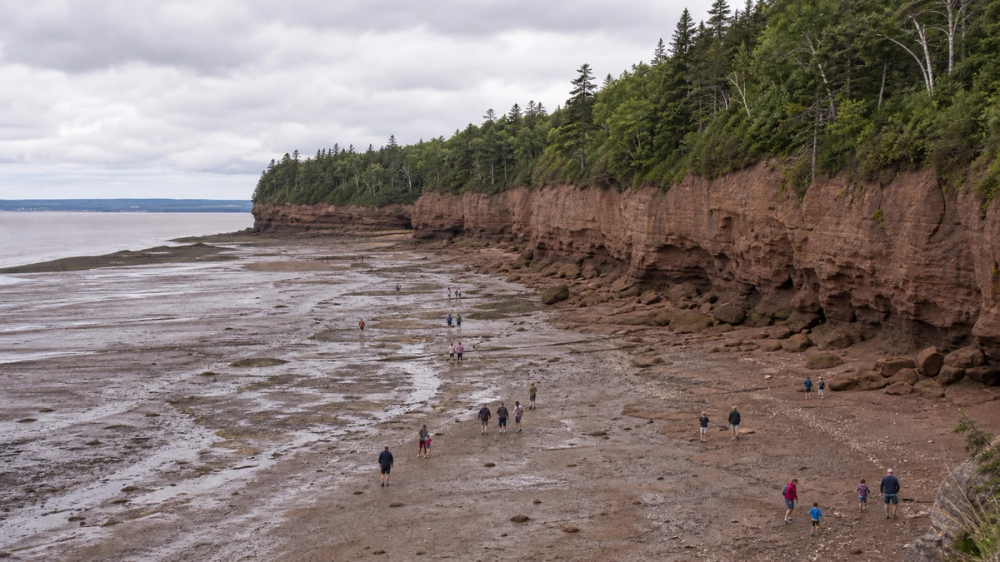
The Bay of Fundy is a natural wonder where the tide rises and falls by up to sixteen meters twice a day. The volume of water moving in and out of the bay during a single tide cycle is greater than the combined flow of all the freshwater rivers on Earth. The shoreline features towering cliffs, red mud flats, and sea stacks carved out by the powerful currents.
At Burntcoat Head Park, you can walk on the wet red clay of the ocean floor at low tide, exploring pools filled with tiny crabs and marine life. Six hours later, the entire area is buried under meters of seawater, allowing you to kayak over the exact spots where you were standing. It is a dramatic demonstration of planetary gravity that you can experience firsthand.
2. Walk the Historic, Colorful Streets of Old Town Lunenburg
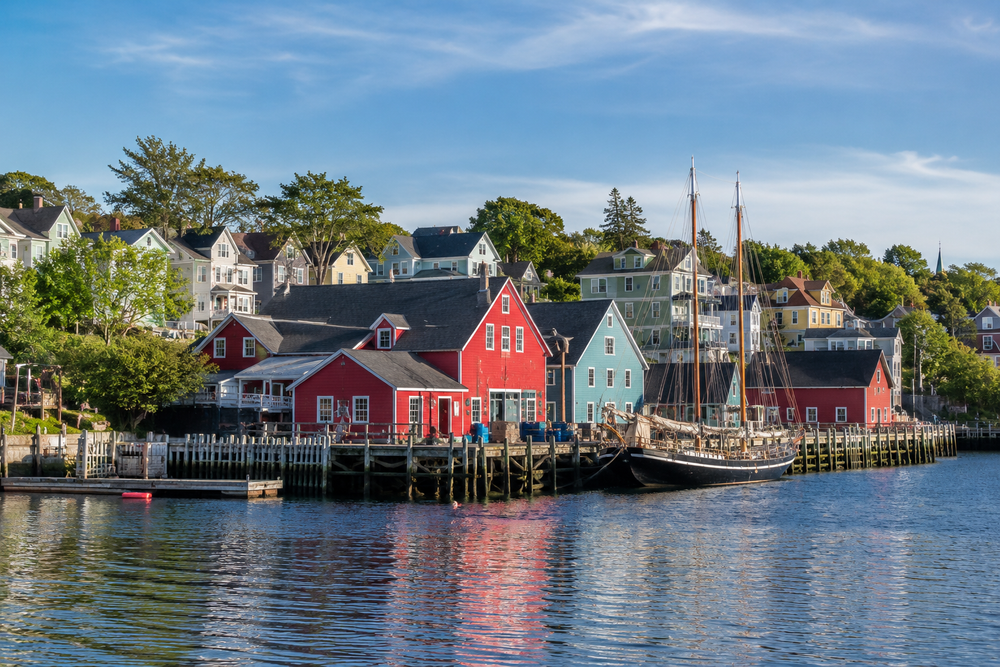
Old Town Lunenburg is one of only two urban communities in North America designated as a UNESCO World Heritage Site. Established in 1753, the town is a beautifully preserved example of a British colonial settlement. The steep streets rising from the harbor are lined with brightly painted eighteenth- and nineteenth-century wooden buildings, which house local galleries, cafes, and shipwright shops.
The harbor is the home port of the Bluenose II, a replica of the famous racing schooner featured on the Canadian dime. Walking the waterfront, the smell of freshly cut wood, hemp rope, and salt water is everywhere. Lunenburg feels like a living maritime museum, where traditional shipbuilding skills are still practiced daily.
3. Experience a Gaelic Kitchen Party in Cape Breton
In Cape Breton, Celtic culture is not a historic exhibit; it is a way of daily life. The island is one of the few places in North America where the Scottish Gaelic language is still spoken and taught. Summer evenings are defined by "ceilidhs," traditional kitchen parties held in community halls, local pubs, and barns across the island.
These gatherings feature fast-paced fiddle music, piano accompaniment, and step dancing. The energy in the room is warm and infectious, and visitors are always welcomed to join the dancing or listen to the stories. It is a community-driven musical tradition that has survived for centuries in the isolated valleys of the island.
4. Sample Crisp, Aromatic Wines in the Annapolis Valley
Nova Scotia's Annapolis Valley is one of the most exciting, up-and-coming wine regions in North America. The valley is sheltered by two parallel mountain ridges, creating a microclimate that is ideal for growing cool-climate grape varieties. The region is famous for Tidal Bay, the province's official appellation wine.
Tidal Bay is a crisp, aromatic white wine designed specifically to pair with the region's fresh seafood. You can tour the vineyards around the historic town of Wolfville using the Magic Winery Bus, a double-decker bus that runs a hop-on, hop-off loop between the local estates. Tasting wine while looking out over the red mud flats of the Minas Basin is a highlight of the valley.
5. Indulge in Fresh Lobster Directly from the Source
Nova Scotia’s culinary identity is anchored in the sea, and lobster is its centerpiece. The province has active lobster fisheries year-round, meaning you can always find fresh catch. The local approach to food is straightforward, letting the quality of the seafood speak for itself.
You can buy steamed lobster served on paper plates at community halls, grab a lobster roll from a roadside container shack along the South Shore, or sample innovative seafood chowders along the province's designated Chowder Trail. Eating fresh lobster on a wooden pier while watching the fishing boats return to harbor is a classic local ritual.
6. Hike the Dramatic Cliffs of the Skyline Trail
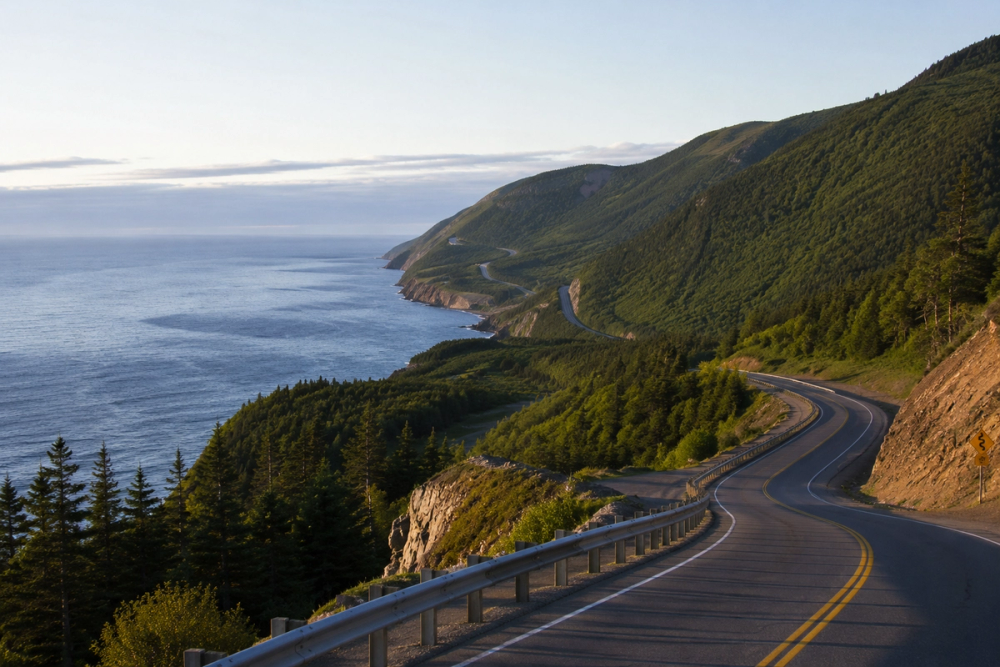
The Cabot Trail is one of the most famous coastal loop drives in the world, but the best way to experience it is on foot. In Cape Breton Highlands National Park, the Skyline Trail is a flat, seven-kilometer loop that runs through a boreal forest before emerging onto a dramatic headland. Preparing for coastal weather requires the right gear. If you are packing for this hike, check our checklist of essential hiking items to ensure you have windproof layers and proper footwear.
The trail ends at a wooden boardwalk that clings to the edge of a vertical cliff, dropping two hundred and fifty meters to the Gulf of St. Lawrence. From this vantage point, you can watch the highway curve along the mountain walls below and spot whales surfacing in the blue water of the gulf. If you enjoy dramatic coastal routes but are starting your journey in the west, you can also browse our guide to scenic drives near Vancouver.
7. Explore Wild, White-Sand Beaches That Feel Tropical
While the water is bracingly cold, Nova Scotia’s beaches feature white sand and clear turquoise water that looks like the Caribbean. The South Shore is home to Carter’s Beach, a nature reserve made of three crescent-shaped beaches separated by rocky points. The sand is soft and white, and the shallow water is crystal clear.
For surfers, Martinique Beach offers five kilometers of open-ocean beach breaks, making it the longest sandy beach in the province. These wild beaches are bordered by sand dunes and pine trees rather than high-rise resorts, providing a sense of solitude that is hard to find in more populated destinations.
8. Discover the Iconic Beacon of Peggy's Cove
Nova Scotia's coastline is dotted with over one hundred and sixty historic lighthouses, but none is more famous than Peggy's Point Lighthouse. Located in the fishing village of Peggy's Cove, the red-and-white octagonal beacon sits on a vast expanse of smooth, grey granite rocks that were shaped by glaciers thousands of years ago.
The Atlantic surf crashes against the rocks, sending white spray into the air around the lighthouse. The surrounding village is a working community of colorful fishing shacks, lobster traps, and wooden piers. It is a classic maritime landscape that remains beautiful in any weather, from bright summer sun to moody autumn fog.
9. Walk the Vibrant Waterfront of Halifax
Halifax is a walkable coastal city that manages to feel both historic and youthful. The city is home to several major universities, giving it a lively nightlife and arts scene. The centerpiece of the city is the Halifax Boardwalk, a four-kilometer wooden pedestrian path that runs along the harbor front.
The boardwalk is lined with historic stone warehouses, local boutiques, outdoor beer gardens, and street performers. You can visit the Maritime Museum of the Atlantic to see artifacts from the Titanic, take the historic ferry across the harbor to Dartmouth, or explore the star-shaped Citadel Hill fortress overlooking the downtown core.
10. Experience Genuine Maritime Hospitality
The most memorable aspect of a trip to Nova Scotia is the warmth of the people. Maritimers are famous across Canada for their friendly, welcoming nature. Strangers will strike up conversations in local shops, offer driving directions with a story, and invite you to join community dinners.
It is a culture built on conversation and storytelling. Whether you are staying in a rural bed-and-breakfast, ordering a pint in a Halifax pub, or chatting with a local fisherman on a dock, you will experience a level of genuine hospitality that makes you feel like a guest rather than a tourist.
Sources and Resources
- Tourism Nova Scotia: Official travel guides, event calendars, and visitor center listings. Last checked: June 2026. novascotia.com
- Parks Canada: Pass details, hiking rules, and campsite reservations for Cape Breton Highlands National Park. Last checked: June 2026. pc.gc.ca
- Bay of Fundy Tourism: Tide tables, low-tide walking guides, and safety information. Last checked: June 2026. bayoffundytourism.com
- Canooq Travel: Browse more regional travel ideas and itineraries on the Canooq travel hub.
Related travel guides:
Page details
Author: Thomas Tremblay
Updated: July 8, 2026
Last reviewed: July 7, 2026
Sources verified: July 7, 2026
Cite this page: Canooq.ca, Why Nova Scotia Should Be Your Next Canadian Travel Destination: 10 Compelling Arguments, https://www.canooq.ca/travel/why-visit-nova-scotia
Canooq content is educational and may include affiliate or referral links. It is not financial, tax, legal, immigration, employment, mortgage, real estate, or healthcare advice. Verify official sources and provider terms before acting.
Enjoy Canooq? Let us keep helping you — make Canooq a preferred source on Google.