The bank says your PIN was used. Does that make the transaction your fault?
No. A federally regulated bank cannot hold you responsible for a disputed transaction simply because the correct PIN, password or other authentication method was used. It must investigate what happened and consider all the circumstances.

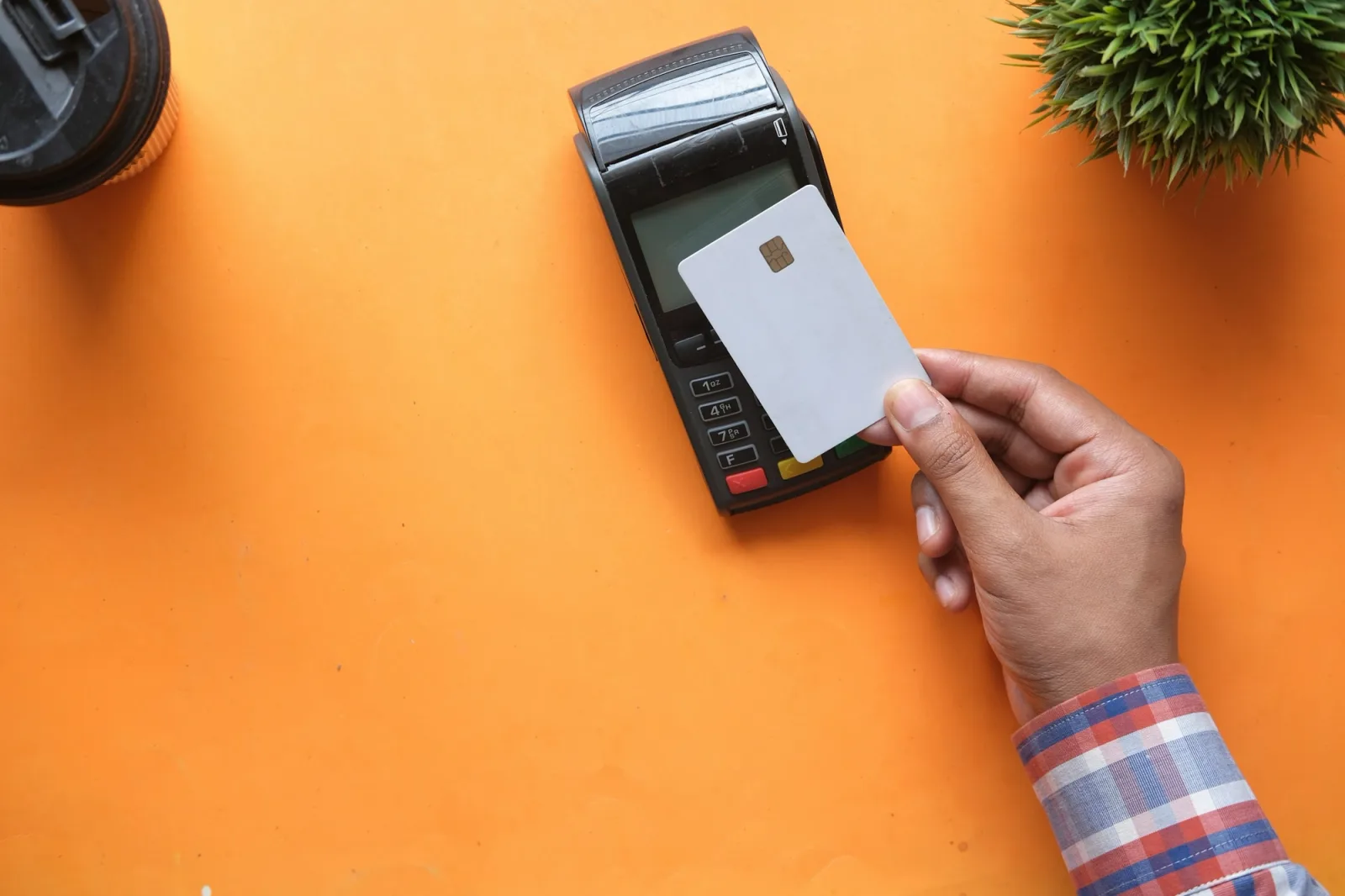
The PIN matters, but it is evidence rather than automatic proof that you approved the payment. Someone could have watched you enter it, stolen it with your card or obtained account information another way.
Report the transaction immediately
Start by locking the card if your banking app allows it, then contact the bank or card issuer through the number on the back of the card or its official website. Do not use a phone number sent in a text about the supposed fraud; that message may be part of the scam.
Tell the bank exactly which transactions you did not make or approve. Change the affected passwords and PINs, check whether a mobile device or email account has been compromised, and continue watching the account after the first report.
Time limits can be short. For chequing and savings accounts, customers commonly have about 30 days from the statement date to dispute a transaction, although the account agreement can set the exact rule. Waiting for the next statement or assuming the bank will detect everything weakens the claim.
The Financial Consumer Agency of Canada has a practical unauthorized-transaction guide with the current federal protections.
The bank has to investigate
Federally regulated financial institutions must investigate a disputed transaction regardless of how it was processed. That includes transactions completed with:
- the correct PIN;
- a magnetic stripe;
- a password or another form of authentication;
- other payment technology.
The investigation should consider whether the card was stolen, whether someone obtained the PIN by watching you, whether you were forced to make the transaction or whether a technical failure contributed to the loss.
If a bank employee says, “The chip and PIN were used, so it must have been you,” ask for that position in writing and refer to the federal right to a full investigation. The technology used does not end the inquiry.
Your protection depends partly on how you handled the account
Consumers are expected to take reasonable care of cards, devices and authentication information. A debit-card claim becomes harder if you:
- shared the PIN, including with a family member;
- chose an easily guessed PIN such as a birth date or phone number;
- wrote the PIN on the card or stored it beside the card;
- ignored the reporting deadline in the account agreement;
- refused to cooperate with the investigation;
- failed to report a card promptly after noticing it was missing.
Those facts do not allow a bank to skip the investigation. They may, however, support a finding that you contributed to the loss.
Shoulder surfing is specifically recognized in federal consumer guidance. If someone watched you enter a PIN and later stole the card, that is a circumstance beyond simply concluding that the customer must have made the withdrawal.
Credit-card liability is generally capped at $50
For a credit card issued by a bank, federal law generally limits your liability for an unauthorized transaction to $50, unless you showed gross negligence in protecting the card, account information or authentication details.
Visa, Mastercard, American Express and Interac also have public zero-liability commitments. Those policies can be more generous than the legal maximum when their conditions are met.
Debit cards work differently. Liability can depend on the circumstances and the agreement, and an account linked to overdraft or a line of credit can expose more than the cash balance sitting in chequing. If you took the necessary precautions and the transaction was genuinely unauthorized, the federal guidance says you should get the money back.
Write down the facts before memory gets fuzzy
Imagine a $900 ATM withdrawal appears in Burnaby at 11:42 p.m. while you were at home in Vancouver. The bank sees a chip-and-PIN transaction. Useful evidence could include:
- the exact time you noticed the card missing;
- where and when you last used it;
- location history, work records or receipts showing where you were;
- evidence that several attempts occurred close together;
- any earlier suspicious text, email or phone call;
- the police report number if the card, phone or wallet was stolen.
You do not need to solve the crime before opening the dispute. Give the bank the facts you have and preserve the rest as it becomes available.
Ask for the dispute reference number, the date it was opened and the expected response time. Keep screenshots of the transaction and copies of every message. If the conversation happens by phone, note the representative's name and what was said.
An e-Transfer scam may not be treated the same way
The word “unauthorized” matters.
If a criminal hacked your account and sent an Interac e-Transfer without your knowledge, you are disputing a transaction you did not approve. If you personally sent money to someone after being deceived by a fake rental listing or impersonation scam, the bank may treat it as an authorized payment induced by fraud.
Both situations deserve an immediate report, but the reimbursement analysis can differ. Do not describe a payment you sent yourself as though you never logged in; explain the deception accurately. The bank's fraud team needs to know whether it is trying to stop an account takeover, recall a transfer or investigate a card transaction.
If the bank denies the claim
Ask for the written decision and the evidence or account terms relied on. A denial that merely repeats “your PIN was used” does not address the bank's duty to investigate.
Every federally regulated financial institution must have a complaint-handling process. Escalate through the bank's complaint office using the steps and contact information on its website. Include a short timeline, the disputed amount, the evidence already supplied and the resolution you want.
If the bank does not resolve the complaint, the written response should identify the external complaints body that can review it. You can also report potential consumer-protection issues to the Financial Consumer Agency of Canada. FCAC supervises compliance but does not normally recover an individual's money, so the bank's formal complaint path remains important.
A correct PIN may explain how the machine accepted the transaction. It does not, by itself, establish who entered it or whether you authorized the payment.
Page details
- Written by
- Thomas Tremblay
- Last updated
- September 20, 2026
Sources
Official source pages checked September 20, 2026. Provider terms, government programs, legal rules, dates, and eligibility requirements can change; verify the linked source at the next review.
- Financial Consumer Agency of Canada: Resolving an unauthorized transactionfederalChecked 2026-09-20
Cite this page: Canooq.ca, The bank says your PIN was used. Does that make the transaction your fault?, https://www.canooq.ca/blog/bank-pin-used-unauthorized-transaction-rights
Canooq content is educational and may include affiliate or referral links. It is not financial, tax, legal, immigration, employment, mortgage, real estate, or healthcare advice. Verify official sources and provider terms before acting.