What does the BC Conservative win mean for your money?
A $32,000 basic personal amount worth about $1,052 per worker, a refundable $500 credit per child and $100 more a month in disability assistance, all still promises until the new government passes them.

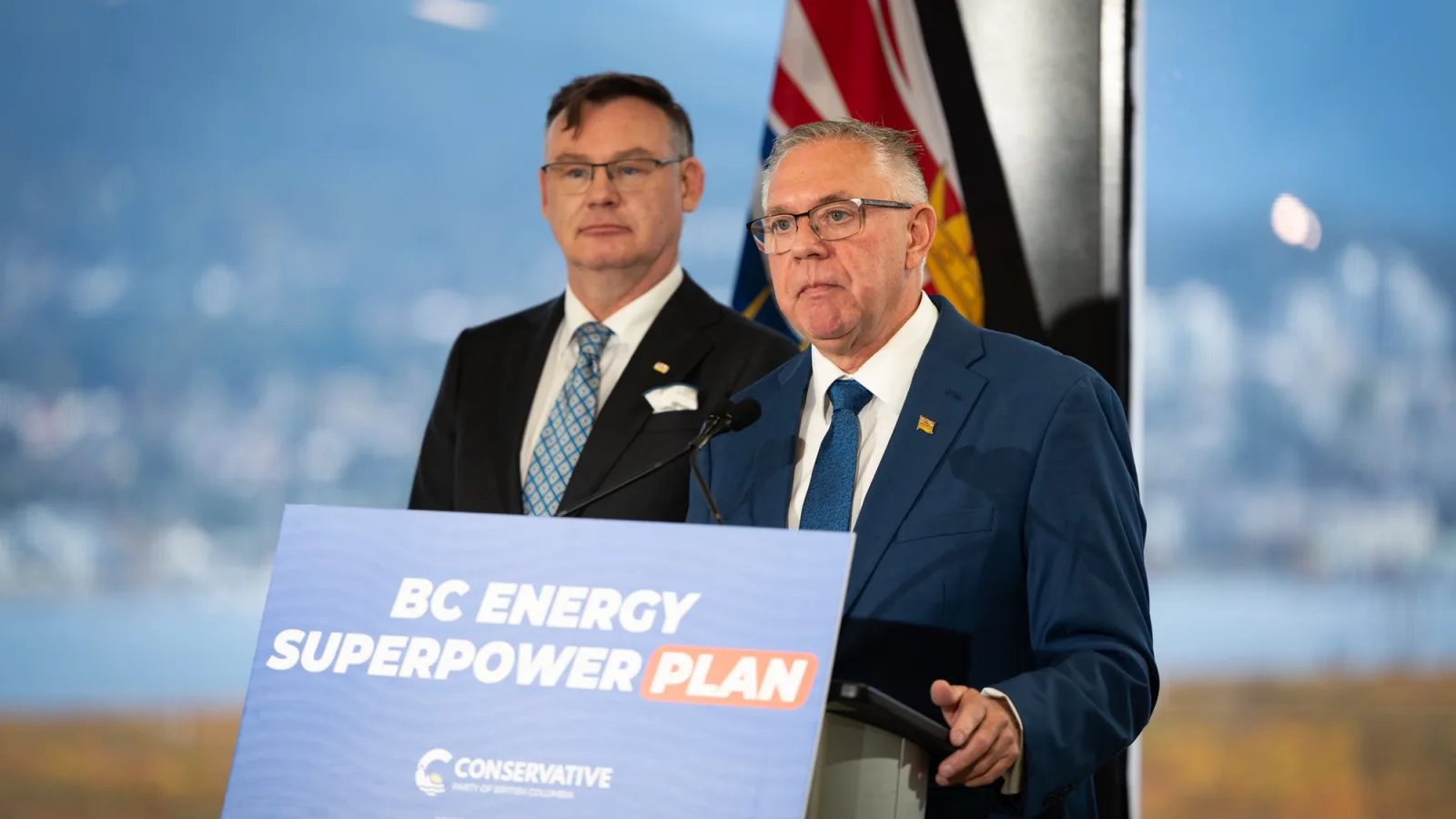
BC is getting a new government. In October's election, called two years after the last one, Lorne Doerkson's Conservatives were leading in 63 of the province's 93 ridings in Elections BC's preliminary count. David Eby's NDP had 28 and the Greens two. The final count, with mail-in and absentee ballots, runs November 6 to 10.
Doerkson ran on a 71-page platform, Ready to Deliver: A Plan for a Stronger BC, and a lot of it is about money: your income tax, your kids' activities, disability assistance, seniors' property taxes, housing, cars and small business. So what does a Conservative win mean for your own finances? We went through the platform and its costing tables, promise by promise, to work out who gets what, roughly how much and when.
The short answer is a tax cut. The biggest money promise is an income tax cut of about $1,050 a year for every worker who pays enough BC tax to use it, starting with the 2027 tax year. A couple with two incomes would get about $2,100.
Families would also get a refundable $500-a-year activity credit for each child. People on disability assistance would get $100 more a month and could earn far more before losing any of it. And seniors who put off paying their property taxes would pay less interest.
None of these promises is law yet. Your paycheque and benefits stay as they are until the new government passes the bills and its first budget.
| Promise | What it's worth | Who gets it | When |
|---|---|---|---|
| Basic personal amount raised to $32,000 | About $1,052 per person, $2,104 per couple | Anyone paying at least that much BC income tax | 2027 tax year |
| BC Children's Activity Credit | Up to $500 per child a year, refundable | Families paying for sports, music, arts, recreation or camps | Phased in over the term |
| Disability assistance increase | $100 a month, or $1,200 a year | People on BC disability assistance | Phased in over the term |
| Higher earnings exemption | From $16,200 to $30,000 a year | Single people receiving PWD assistance | Phased in over the term |
| Property tax deferment | Back to the older, cheaper interest terms | Homeowners 55 and older who defer | No date given |
How much will your BC income tax drop?
The cut works through the basic personal amount, the slice of income BC doesn't tax. It's $13,216 for 2026. The Conservatives would raise it to $32,000, which they say would be the most generous in the country.
The basic personal amount works as a tax credit worth the lowest BC rate, 5.6%, times the amount. Raising it by $18,784 takes $1,051.90 off your BC tax. Earn $60,000 or $160,000 and you save the same, because the credit is always worth the lowest rate, whatever bracket you're in. A couple earning $60,000 and $50,000 would save about $2,104 between them.
The credit can't pay you money. It only wipes out BC tax you'd otherwise owe, so if you owe less than $1,052, that's all you save. On today's rules, a worker needs a salary of roughly $38,500 to get the full amount:
| Salary from a job | Saving, roughly |
|---|---|
| $26,500 or less | Nothing (no BC tax owed today) |
| $30,000 | About $300 |
| $35,000 | About $750 |
| $38,500 or more | The full $1,052 |
Big credits for tuition, medical bills or a disability shrink the saving too. And a partner with no income gets nothing, so a one-income couple gets $1,052, not $2,104.
The lowest rate stays at 5.6%, up from 5.06% before 2026, and the Conservatives haven't promised to bring it back down. They also haven't promised to undo Budget 2026's freeze on inflation increases to BC's tax brackets and credits for 2027 to 2030, so as wages rise, more of your income will slide into higher brackets.
Parents get a $500-per-child credit
The new BC Children's Activity Credit covers up to $500 per child each year for sports, recreation, music, arts and camps. It's refundable, so you get it even if you owe little or no BC income tax. Three kids in hockey, piano or summer camp would bring in up to $1,500 a year.
The Conservatives would also raise the BC Family Benefit, the tax-free monthly payment for families with children, and the Affordable Child Care Benefit, which helps with daycare fees. There are no new amounts or income limits for either one yet.
On child care, independent providers could offer new $10-a-day spaces, with those spaces going first to the families with the fewest options, and there would be 24-hour care for shift workers and first responders.
Most of this arrives slowly. The family benefit and child care money starts at $15 million in 2027/28 and only reaches $150 million a year in 2030/31. The activity credit sits in a separate $125 million budget that also starts at about a tenth of its full cost.
Disability assistance goes up $100 a month
People on BC disability assistance would get three specific changes:
- $100 more a month, or $1,200 a year, with rates reviewed every year after that.
- The annual earnings exemption for a single person receiving PWD (Persons with Disabilities) assistance rises from $16,200 to $30,000. That's how much you can earn from work before your assistance goes down, so you could earn $13,800 more a year and keep your full payment.
- No more cuts to your assistance because of your spouse's income. If your partner works, this is probably the biggest of the three.
The Conservatives would also extend the Autism Funding Program and review the move to the new disability benefit and supplement so that "no families lose access." The money for this group starts at $20 million in 2027/28 and reaches $200 million a year at full cost.
Seniors who defer property taxes could pay a lot less interest
BC lets homeowners 55 and older put off paying their property tax and repay it later, usually when they sell. For taxes deferred for 2025 and earlier, the regular program charged prime minus 2%, simple interest. For taxes deferred from 2026 onward, it charges prime plus 2%, compounded monthly. Amounts deferred before 2026 keep the old terms.
That's a 4-point jump, plus interest on interest. Take $10,000 of deferred tax for one year, at the government's own example rate of 6.45% (a prime rate of 4.45%):
| Terms | Rate | Interest on $10,000 for a year |
|---|---|---|
| Old regular program | 2.45%, simple | $245 |
| Since 2026 | 6.45%, compounded monthly | $664 |
Going back to the old terms would save about $420 a year on every $10,000 deferred. The Conservatives haven't said whether taxes already deferred in 2026 would get the cheaper rate too.
On health care, seniors would get a free shingles vaccine, and the 7,200 people waiting for long-term care would get public funding they could take to a public, non-profit or private provider.
Homeowners and buyers: cheaper building, nothing yet for renters
Most of the housing promises go after the cost of building rather than your current rent or mortgage. The Conservatives would cut construction taxes and charges and approve new homes "in months, not years." They'd also end municipal bans on gas connections, so you could choose gas for heating and cooking again. Which charges go, and how much a buyer would save, is still open.
The one direct tax break is a new Multigenerational Home Renovation Tax Credit that would match the federal credit of the same name, for families building a self-contained suite for a senior relative. There's no amount yet.
If you rent, nothing is aimed at you: no bigger renter's tax credit, no rent rebate like the one in the party's 2024 platform and no new rule on rent increases. The speculation and vacancy tax, the foreign-buyer tax and the property transfer tax aren't mentioned either, so they stay as they are.
Drivers: no TransLink car tax, and ICBC stays public
The Conservatives would change the law so TransLink can't put a tax or levy on owning or registering a car. Nobody pays that levy today, so this stops a future bill rather than cutting a current one.
ICBC stays a public option, and no-fault stays for most claims. People with catastrophic injuries could hire a lawyer, with legal fees capped so premiums don't rise. There's no promise of lower premiums. The zero-emission vehicle sales quota, which requires automakers to sell a rising share of electric cars in BC, would go.
The tax on gas doesn't change. The consumer carbon tax is already gone, and the carbon price on large industrial emitters stays. For travel, BC's aviation fuel rules would line up with the federal ones, which the party says would make flying in BC cheaper, and a BC Ferries Passenger Charter of Rights would set standards for reliability and affordability. Neither comes with a fare number.
Small business owners get a PST break on equipment
| Promise | What it does |
|---|---|
| No PST for three years on machinery, equipment and business software | Covers purchases and leases; vehicles aren't included at first |
| PST on professional services cancelled for good | The NDP had already paused this expansion before the election |
| First Job Tax Credit | A credit for businesses on the first $5,000 of payroll for a young British Columbian's first job, from 2028/29 |
| Higher Employer Health Tax exemption, indexed to inflation | No new threshold yet, and it isn't costed |
| Lower small-business tax rate | Only "as growth allows" and as the budget returns to balance |
| Home-Based Craft Food Act | Lets small home food producers sell more products tax-free |
The PST exemption is the big one, at an estimated $500 million a year. The First Job credit goes to the employer, not the young worker.
There's no cut to the 5.6% rate, nothing on BC Hydro rates and no new minimum wage anywhere in the plan.
When could the money arrive?
The tax cut: January 1, 2027, if the new legislature passes a bill in time. The party's costing already counts January to March 2027, at about $725 million.
Everything else: the first Conservative budget, after an independent panel reviews the province's books. New spending phases in over four years, a tenth in 2027/28 and the full amount in 2030/31.
Until then, the tax bill and the budget date are the two things to watch. The current benefits still pay, from the BC Family Benefit to the renter's tax credit, so check what you already qualify for.
Page details
- Written by
- Thomas Tremblay
- Last updated
- October 31, 2026
Sources
Conservative Party of BC 2026 platform and costing, Elections BC preliminary results, Province of BC tax and property tax deferment pages and BC Budget 2026, checked October 31, 2026. Tax savings by salary and the deferment interest example are Canooq calculations on 2026 rules.
- Conservative Party of BC: Ready to Deliver: A Plan for a Stronger BC (2026 platform and costing)otherChecked 2026-10-31
- Elections BC: 2026 Provincial General Election, preliminary resultsprovincialChecked 2026-10-31
- Province of British Columbia: B.C. basic personal income tax creditstaxChecked 2026-10-31
- Province of British Columbia: Personal income tax ratestaxChecked 2026-10-31
- Province of British Columbia: Interest and fees for property tax defermentprovincialChecked 2026-10-31
- BC Ministry of Finance: Budget and Fiscal Plan 2026/27 to 2028/29provincialChecked 2026-10-31
Cite this page: Canooq.ca, What does the BC Conservative win mean for your money?, https://www.canooq.ca/blog/bc-conservative-platform-personal-finances
Canooq content is educational and may include affiliate or referral links. It is not financial, tax, legal, immigration, employment, mortgage, real estate, or healthcare advice. Verify official sources and provider terms before acting.