RBC Mutual Funds Class Action Settlement: What Investors Should Know

July 15, 2026
A proposed C$45 million RBC and PH&N mutual funds settlement may cover investors who held qualifying funds through discount brokers. See eligibility, deadlines, and next steps.
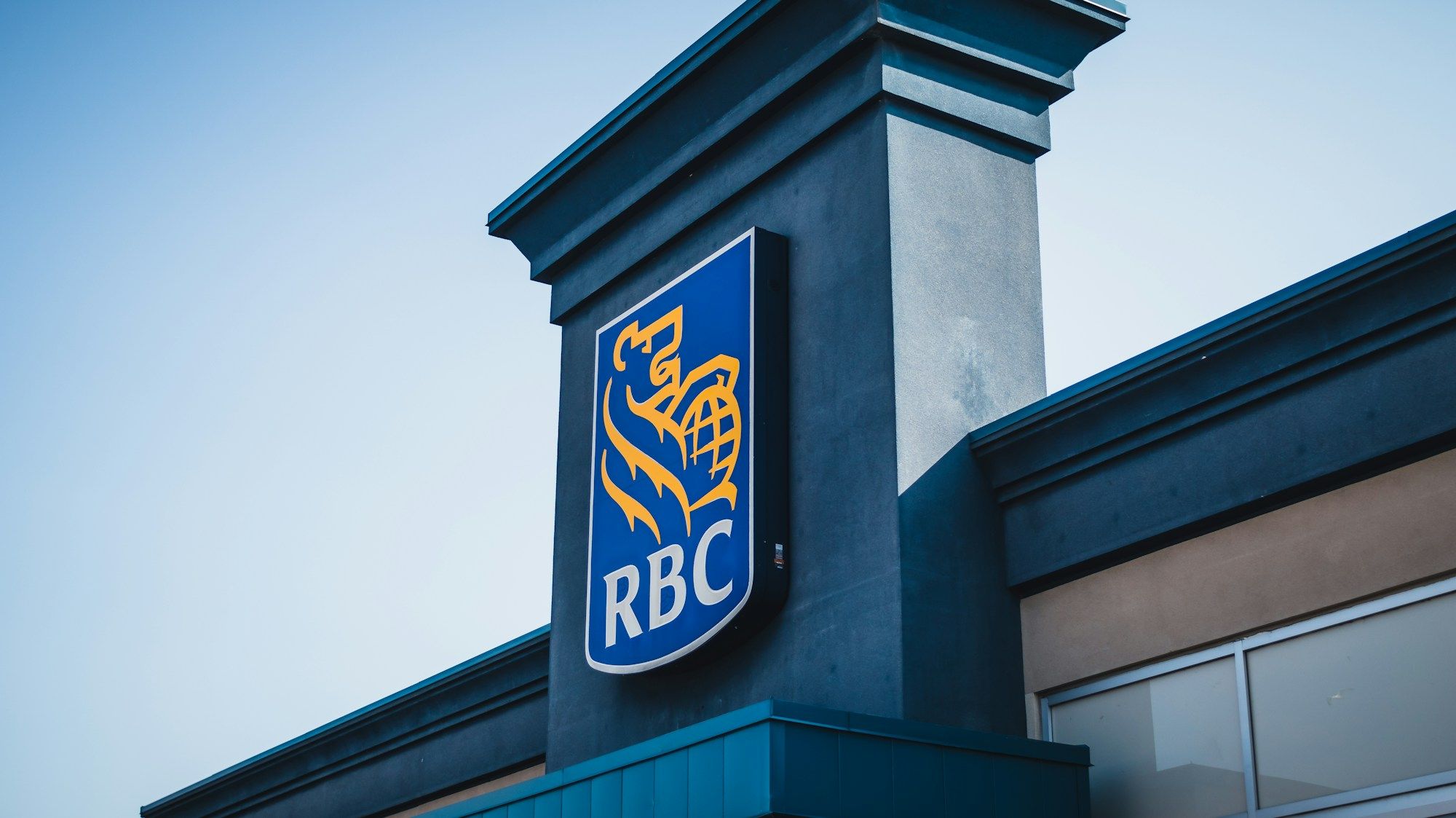
RBC / PH&N settlement
Proposed C$45 million settlement
A proposed C$45 million settlement could cover people who held RBC or PH&N mutual funds through discount brokers during the class period.
- August 18, 2026: deadline for objections or comments
- September 8, 2026: settlement approval hearing
- Ordinary claim deadline: not posted yet
What's on this page
The proposed C$45 million RBC and PH&N settlement covers qualifying mutual fund units held through discount brokers from December 28, 2003 to July 25, 2024. The settlement is pending court approval; August 18, 2026 is the current deadline for objections and comments, while the ordinary claim deadline has not been posted.
A proposed C$45 million settlement could resolve the RBC and PH&N mutual funds class action over trailing commissions paid through discount brokers. If you held qualifying RBC or PH&N mutual fund units through a discount broker during the class period, you may be included.
The settlement is not approved yet. The immediate deadline is August 18, 2026, when class members must submit any objection or comment about the settlement, class counsel's fees and expenses, or the proposed distribution protocol. The approval hearing is scheduled for September 8, 2026. A regular claims deadline has not been posted yet.
RBC class action: quick answer
The case alleges that RBC Global Asset Management Inc. and RBC Investor Services Trust paid excessive, inflated, or unearned trailing commissions from RBC and PH&N mutual fund assets to discount brokers. Discount brokers operate online and generally do not provide investment advice, even though trailing commissions are intended to compensate dealers for advice. The plaintiffs say investors received no value for those commissions. The allegations have not been proven in court, and RBC and PH&N contest them, as Daily Hive reported in its earlier class-action explainer.
The parties have now reached a proposed settlement for C$45 million. The settlement would resolve claims for people anywhere in the world who held or hold units of an RBC Mutual Fund trust or a PH&N Mutual Fund trust through a discount broker from December 28, 2003 to July 25, 2024. The current Siskinds notice controls the legal details.
What the lawsuit is about
Mutual funds often carry a management expense ratio, or MER. A portion of that cost can include a trailing commission, also called a trailer fee, paid to the dealer that distributes the fund. The usual purpose is to compensate a dealer for ongoing investment advice or service.
The lawsuit focuses on what happened when investors bought mutual funds through a discount brokerage account. These platforms include online services such as BMO InvestorLine, TD Direct Investing, RBC Direct Investing, CIBC Investor's Edge, Scotia iTRADE, and National Bank Direct Brokerage. The plaintiffs allege that discount brokers could not provide the advice that the trailer fee was meant to pay for, so investors paid a cost without receiving the corresponding service.
The class action seeks damages for the affected investors. A settlement avoids the risk, cost, and delay of continuing the case through trial, but it does not mean a court has found that RBC or PH&N did anything wrong.
Are you eligible?
You may be part of the RBC and PH&N class if all of these points fit your situation:
- You held or currently hold units of an RBC Mutual Fund trust or a PH&N Mutual Fund trust.
- You held those units through a discount broker, rather than through an advice-based investment relationship.
- You held the units at some point from December 28, 2003 through July 25, 2024.
- You are not an excluded person under the settlement documents.
The class definition applies wherever you live or are domiciled. You do not need to be an RBC banking customer. The relevant question is whether you held an eligible RBC or PH&N mutual fund through a discount brokerage account during the stated period.
Selling the fund before July 25, 2024 does not automatically disqualify you. The wording covers people who held or hold units during the class period. Your account statements and transaction records can help confirm the dates and fund names.
What are the RBC settlement deadlines?
August 18, 2026: deadline to object to or comment on the proposed settlement, class counsel's fees and disbursements, or the distribution protocol.
July 28, 2026: Siskinds says the distribution protocol, a guide to that protocol, and a summary of class counsel's recommendation are expected to be posted by this date.
September 8, 2026: settlement approval hearing before the Ontario Superior Court of Justice.
Claim-filing deadline: not announced in the current notice. The August 18 deadline is for objections and comments, not for filing an ordinary payment claim.
The court still needs to approve the settlement. If approval happens, the administrator will publish the claim process, distribution rules, and claim deadline. Check the Siskinds class action page for the next notice and documents.
What should you do next?
- Check your records: look for RBC or PH&N mutual fund names in statements, trade confirmations, tax records, and account history from 2003 to 2024.
- Identify the account type: note the discount broker that held the funds. RBC Direct Investing appears on Siskinds' list of discount brokers, but the settlement documents control eligibility.
- Save proof: keep purchase and sale records, account statements, fund statements, and any documents showing the period you held the units. Siskinds specifically recommends keeping documents that evidence your purchases and sales.
- Read the long-form notice: review the class definition, exclusions, opt-out language, and distribution documents once the July 28 update is posted.
- Act by August 18 if you want to object or comment: use the instructions in the long-form notice. Do not wait for a claim form if you want the court to hear your position.
- Watch for the claim process: after the approval hearing, look for the official administrator and claim deadline. Use the official notice rather than an unsolicited email or social-media link.
How much could you receive?
The C$45 million figure is the total proposed settlement fund, not a guaranteed payment for each investor. The amount available for distribution will be reduced by court-approved legal fees, disbursements, taxes, administration costs, and other permitted expenses. The remaining money will be divided under the distribution protocol among approved class members.
No reliable individual payout estimate is available yet. The number of eligible investors, the value and duration of qualifying holdings, the protocol approved by the court, and the number of valid claims will determine the final amount.
Does joining Siskinds' email list file a claim?
No. Siskinds' page invites potential class members to submit their contact information for updates, but it says that completing the form does not retain the firm and does not create obligations in connection with the class actions. It is not the same as filing a settlement claim. A claim form and filing deadline will come later if the court approves the settlement.
Other considerations
- The settlement is proposed, not final. The Ontario Superior Court must approve it before the claims process can begin.
- The C$45 million amount does not guarantee a payment or a specific return of fees for any one investor.
- A discount-broker holding is central to eligibility. A fund held in a full-service account may not fit the class definition, so read the long-form notice before assuming you qualify.
- Do not send account passwords, SIN details, or banking credentials to anyone claiming to process this settlement. Use the official notice and administrator details when posted.
- This article is general information, not legal, tax, or investment advice. The court orders and settlement documents control your rights.
Frequently asked questions
Do I need to be a Canadian resident?
No. The current class definition covers people wherever they reside or are domiciled, subject to the exclusions in the settlement documents.
Does holding RBC stock qualify?
No. This case concerns units of RBC Mutual Fund trusts and PH&N Mutual Fund trusts held through discount brokers. It is not a claim for RBC common shares.
Do I need to file a claim today?
No claim-filing deadline appears in the current notice. The immediate date is August 18, 2026 for objections and comments. Keep your records and watch Siskinds' page for the approved claims process.
What if I held the funds through RBC Direct Investing?
RBC Direct Investing is listed as a discount broker on Siskinds' page. If you held qualifying RBC or PH&N mutual fund units through that account during the class period, you may be included, subject to the full class definition and exclusions.
Where can I find the official updates?
Use the Siskinds mutual fund fees page for the long-form notice, settlement agreement, court endorsement, distribution protocol, and later claim instructions. The July 14 notice confirms the settlement amount and current deadlines.
Sources and image credit
- Siskinds: Mutual Fund Fees class action page
- CNW notice of proposed RBC and PH&N settlement
- Daily Hive background explainer
- Hero photo: PiggyBank on Unsplash.
Track Canadian class action deadlines
Related articles:
Page details
Author: Thomas Tremblay
Updated: July 14, 2026
Last reviewed: July 14, 2026
Sources verified: July 14, 2026
Cite this page: Canooq.ca, RBC Mutual Funds Class Action Settlement: What Investors Should Know, https://www.canooq.ca/blog/rbc-mutual-funds-phn-trailing-commissions-settlement
Canooq content is educational and may include affiliate or referral links. It is not financial, tax, legal, immigration, employment, mortgage, real estate, or healthcare advice. Verify official sources and provider terms before acting.
Enjoy Canooq? Let us keep helping you — make Canooq a preferred source on Google.