Tea in Canada: Brands, Recipes, Accessories and Where to Buy
Canadian tea brands from Red Rose to DAVIDsTEA, the right water temperature for every tea, and short recipes for London Fog, matcha, Thai and Vietnamese iced tea.


Tea in Canada is a lot of different drinks. For some people it's the orange pekoe their grandmother made with Red Rose or King Cole, two brands that started in Saint John, New Brunswick. In Vancouver it's a London Fog, the Earl Grey latte the city gets credit for. For a lot of students it's bubble tea after class or a matcha latte before it. Order phở and a glass of jasmine iced tea often shows up without asking, and in Victoria, afternoon tea has been served at the Empress since 1908.
Almost all of it is easy to make at home, and much cheaper. Boxed tea counts as a basic grocery, so there's no GST or HST on it, while the same tea poured at a café counter is taxed. A London Fog you make yourself costs well under a dollar, and a bowl of good matcha about $2.
The reason people give up is that tea made badly at home tastes worse than the café version. Most of the difference between a bad cup and a great one comes down to how hot the water is and how long the leaves stay in, and that makes a lot more sense once you know what's actually in the pot.
One plant, many teas
Black, green, white and oolong tea all come from the same plant, Camellia sinensis. What changes is what happens after the leaves are picked.
Green tea is heated soon after picking, which stops the leaves from oxidizing (turning brown, the way a cut apple does). That keeps it fresh, grassy and pale. Black tea is left to oxidize fully, so it's dark, strong and malty. Oolong sits somewhere in between, and white tea is barely processed at all: young buds and leaves, dried.
Peppermint, chamomile and rooibos aren't tea in this sense. They're herbal infusions made from other plants, which is why they have no caffeine.
It's also why green tea needs cooler water than black.
How Canada became a tea country
Tea arrived with British trade. The East India Company shipped it from Asia, and the Hudson's Bay Company carried it to trading posts across the north, where it became one of the staples of the fur trade.
By the end of the 1800s, Canadians were buying their tea from Canadian companies. Red Rose started in 1894, when Theodore Harding Estabrooks opened a tea business on Dock Street in Saint John and sold tea already blended and packed, which was new at the time. The same year, John Murchie, who had come from Scotland, started delivering tea and coffee to homes around New Westminster, BC. Murchie's now has eight shops in Greater Vancouver and Greater Victoria.
King Cole followed in 1910, launched in Saint John by G.E. Barbour's company. Barbour's has blended it in Sussex, New Brunswick, since 1966, and it's the tea Maritimers are loyal to. If someone from Moncton says tea tastes wrong in Toronto, this is usually what they mean.
For most of the 20th century, "tea" in Canada meant orange pekoe in a bag with milk. Immigration brought chai from South Asia, matcha and sencha from Japan, bubble tea from Taiwan, milk tea from Hong Kong, cha yen from Thailand and trà đá from Vietnam. Vancouver added its own drink in the 1990s: the story most often told is that the London Fog started at the Buckwheat Café, when a regular who was pregnant and off coffee asked for something else.
Specialty tea shops came next. Camellia Sinensis opened in Montreal in 1998, and its buyers still travel to growers in Asia every spring. DAVIDsTEA opened its first shop on Queen Street West in Toronto in 2008 and is based in Montreal. It's the brand with the colourful tins and dessert blends like S'mores Chai. It closed most of its stores in 2020 and now sells mostly online and on Amazon, plus a handful of shops.
Newer Canadian names are more specific about where their tea comes from. JusTea, from Vancouver, has sold fair trade Kenyan tea since 2013, bought directly from small farming families in the Nandi Hills. Four O'Clock is a Quebec tea maker founded in 1992 that sells organic, fair trade tea in most grocery stores. Tea even grows here now: Westholme Tea Farm in BC's Cowichan Valley, on Vancouver Island, is the first commercial organic grower of the tea plant in Canada.

Red Rose Orange Pekoe Tea, 216 Count
The New Brunswick classic in the big box, about 12 cents a bag.
$25.92

King Cole Orange Pekoe Tea Bags, 60 Count
Barbour's orange pekoe from Sussex, New Brunswick, the Maritimes' favourite.
$19.99
prime
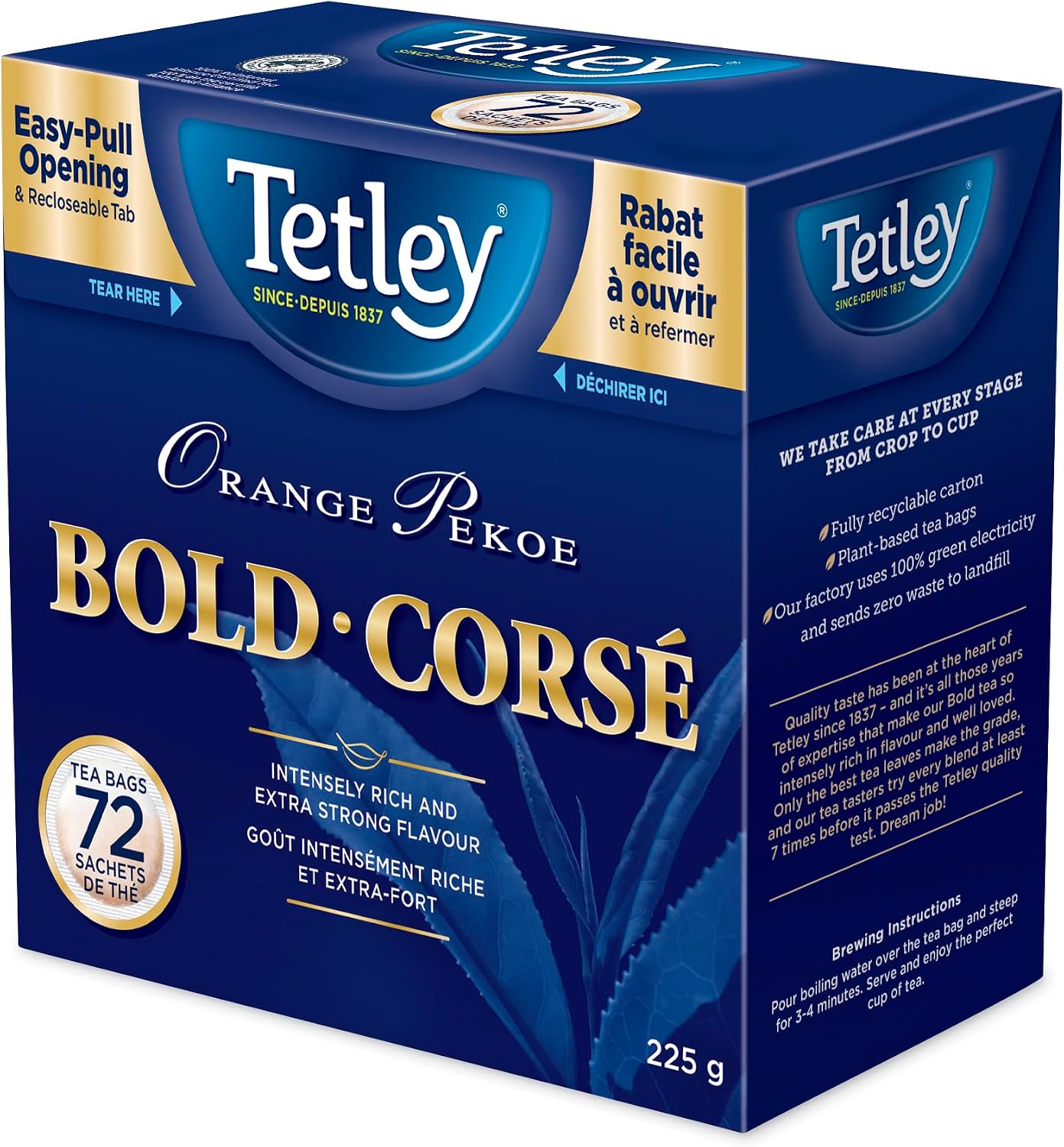
Tetley Orange Pekoe Bold Tea, 72 Tea Bags
A stronger blend that stands up to milk, at the lowest price per bag here.
$5.97
prime
As an Amazon Associate, Canooq may earn from qualifying purchases.
Red Rose's 216-bag box is the one to stock up on, at about 12 cents a cup. King Cole averages 4.6 stars across more than 1,100 Amazon reviews.

DAVIDsTEA Only the Best 8-Tea Loose Leaf Sampler
Eight tins, about 48 servings, including Buddha's Blend, S'mores Chai and Cream of Earl Grey.
$42.99
prime

JusTea Mt. Kenya Black Loose Leaf Tea, 40+ Cups Tin
Farmer-direct Kenyan black tea from a Vancouver company, with a hand-carved spoon.
$19.99

DAVIDsTEA S'mores Chai Loose Leaf Tea, 50g Tin
Pu'erh with marshmallow, chocolate and cinnamon, made for tea lattes.
$12.99
prime
As an Amazon Associate, Canooq may earn from qualifying purchases.
If you want more Canadian-made picks beyond tea, Canooq's list of Canadian alternatives to American brands covers the rest of the pantry.
Making a good cup: temperature and time
Whichever tea you drink, the water temperature and the steeping time decide how it tastes. The Tea and Herbal Association of Canada keeps it simple: one teaspoon of loose tea or one tea bag per 6 oz cup (about 175 ml), fresh cold water, then this.
| Tea | Water | Steep |
|---|---|---|
| Black (orange pekoe, Earl Grey) | 100°C, full boil | 3 to 5 min |
| Green | 80°C | 1 to 3 min |
| White | 80°C | 2 to 5 min |
| Oolong | 80°C | 2 to 3 min |
| Herbal and rooibos | 100°C | 3 to 6 min |
Black tea has been fully oxidized, so it can take boiling water. Green tea hasn't, and boiling water cooks the leaves and pulls out the bitterness, which is why so many people think they don't like green tea. If you don't have a kettle with settings, boil the water and let it sit with the lid open for 3 or 4 minutes.
Leaving a tea bag in the mug for 10 minutes does the same thing to black tea. Take it out when the timer goes. If you want it stronger, use two bags, not more time.
Caffeine: Health Canada puts a brewed 237 ml cup of black or green tea at 30 to 50 mg of caffeine, against a daily maximum of 400 mg for healthy adults and 300 mg during pregnancy or breastfeeding. That's eight cups or more before most adults get near the limit.
Tea bags or loose leaf?
Tea bags are fine. Most orange pekoe bags hold small, broken pieces of leaf, which brew fast and strong, and that's exactly what you want with milk. They're also cheap: Tetley's 72-bag box is under $6, or about 8 cents a cup.
Loose leaf gives you whole leaves that have room to open up, so the flavour is fuller and you can often steep the same leaves two or three times. It costs more per gram but less than you'd think per cup, because a teaspoon goes a long way. A JusTea tin makes more than 40 cups for about $20, so roughly 50 cents a cup.
You only need one extra thing for loose leaf: a strainer with a fine mesh. Tea balls are too small for the leaves to expand. A basket that sits in the mug does the job properly, and empty drawstring filters are handy for work or travel.
Keep loose tea in an airtight tin, away from the stove and the spice cupboard. Tea picks up smells fast.

OXO Brew Tea Strainer Basket, Fine Mesh Stainless Steel
Fine mesh basket that fits mugs and teapots and comes with a lid.
$20.13
prime

DAVIDsTEA Drawstring Tea Filters, Pack of 200
Empty drawstring bags that turn loose leaf into tea bags.
$26.99

Yesland 6 Pack Tea Tin Canisters with Airtight Double Lids
Six 12 oz tins with double lids to keep loose leaf fresh.
$22.99
prime
As an Amazon Associate, Canooq may earn from qualifying purchases.
The gear: a kettle first, then a teapot
A variable-temperature kettle is the one upgrade that changes every cup. You don't have to guess what 80°C looks like: you press "80" for green tea and "100" for black, and it holds the water there while you get your mug ready.
The Cosori gooseneck has presets for green, white, oolong and black tea, and the thin spout pours slowly and exactly, which also makes it a good pour-over coffee kettle. If you make tea for more than one person, the 1.7-litre glass Cosori or the Starfrit, from a kitchen brand based in Longueuil, Quebec, does the same job for less. The Starfrit is under $40 and has five presets.

Cosori Electric Gooseneck Kettle, 5 Temp Presets, 0.8L
Presets for green, white, oolong and black tea, plus keep-warm.
$100.89
prime

Cosori Electric Kettle, 6 Temperature Presets, 1.7L Glass
Full-size glass kettle with six presets and a one-hour keep-warm.
$69.99
prime

Starfrit Electric Glass Kettle, Variable Temperature, 1.7L
Five preset temperatures from a Quebec kitchen brand, for under $40.
$39.99
prime
As an Amazon Associate, Canooq may earn from qualifying purchases.
Once the water's right, the teapot is about the tea you drink most.
Glass is the easiest place to start. You can see the colour, so you know when it's ready, and the removable infuser means you pull the leaves out at exactly the right time.
Cast iron teapots, sold here as tetsubin, hold heat for a long time, so the second cup is still hot. The ones sold for tea are enamel-lined, so keep them off the stove.
A brown glazed teapot is the old-school choice for a big pot of black tea with milk. The shape is squat and round so the leaves can move, and the glaze keeps it warm. Warm any pot with a splash of hot water first and your tea stays hotter for longer.

Teabloom Glass Teapot with Removable Infuser, 1.2L
Stovetop-safe glass pot that holds four to five cups, with two blooming teas.
$44.45

Cuisiland 27oz Cast Iron Teapot Set, Japanese Tetsubin
Enamel-lined cast iron pot with infuser, trivet and two cups.
$59.99

Price & Kensington Rockingham 10 Cup Teapot, Brown
The classic brown glazed pot for a big family pot of orange pekoe.
$55.21
As an Amazon Associate, Canooq may earn from qualifying purchases.
Black tea with milk: orange pekoe, London Fog and chai
A proper cup of orange pekoe
Boil fresh water. Pour it over one bag in a warmed mug and steep 4 minutes. Take the bag out, then add milk and sugar if you like. Milk goes in after the tea has brewed, because cold milk stops it steeping properly.
London Fog, Vancouver's own
- Steep 1 Earl Grey bag in 125 ml (½ cup) of boiling water for 4 minutes.
- Heat 125 ml of milk and froth it with a handheld frother.
- Stir 1 teaspoon of vanilla syrup (or a few drops of vanilla and a teaspoon of sugar) into the tea.
- Pour in the milk and spoon the foam on top.
Say a café London Fog costs you $6 and you have one three times a week. At home, with a Twinings bag at 15 cents, about 20 cents of milk and 10 cents of vanilla and sugar, it's around 45 cents. That's about $5.55 saved per cup, or roughly $865 a year, before counting the sales tax on the café version.
Masala chai
Put 250 ml of water and 125 ml of milk in a small pot. Add 2 teaspoons of Wagh Bakri masala tea (it's already spiced) and bring it to a boil. Turn it down and simmer for 2 to 3 minutes, until it's a deep caramel colour. Sweeten, strain and pour. For plain black tea, add a slice of fresh ginger and two crushed cardamom pods.
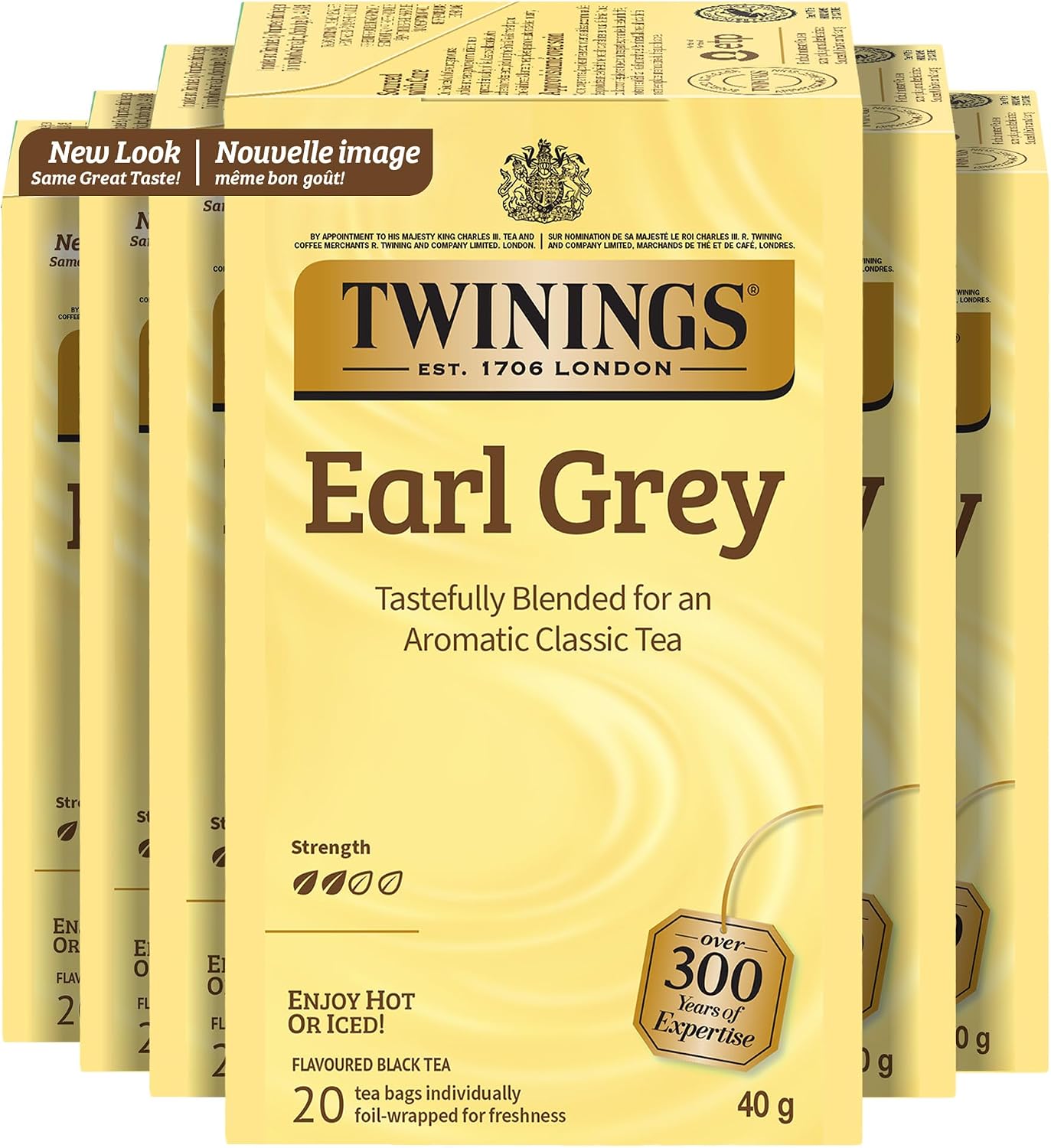
Twinings Earl Grey, 20 Count (Pack of 6)
120 individually wrapped Earl Grey bags, the base for a London Fog.
$18.56
prime

Wagh Bakri Masala Tea, 250g
Strong Indian black tea already blended with chai spices.
$17.90
prime

SIMPLETASTE Handheld Milk Frother
Battery-powered whisk that foams milk for lattes in seconds.
$13.97
As an Amazon Associate, Canooq may earn from qualifying purchases.
The Twinings six-pack is 120 bags, which is how you get to 15 cents a London Fog, and the frother has more than 65,000 reviews.
Japanese tea: matcha, sencha, genmaicha and hojicha
Japanese teas are almost all green, which means cooler water and short steeps.
Matcha
Matcha is green tea ground into a fine powder, so you drink the whole leaf. Ippodo, the Kyoto tea house, makes a classic bowl like this:
- Sift 2 g of matcha (1 level teaspoon) into a bowl. Sifting stops lumps.
- Add 60 ml of water at 80°C.
- Whisk quickly in an M shape for about 15 seconds, until it's frothy.
For a matcha latte, whisk the same 2 g with a splash of hot water, then top up with about 180 ml of steamed milk. A 30 g tin makes about 15 bowls, so a $30 tin works out to about $2 each, well under what cafés charge.
A bamboo whisk (a chasen) is what makes the foam. A handheld milk frother works in a pinch, but the whisk gives a smoother bowl.
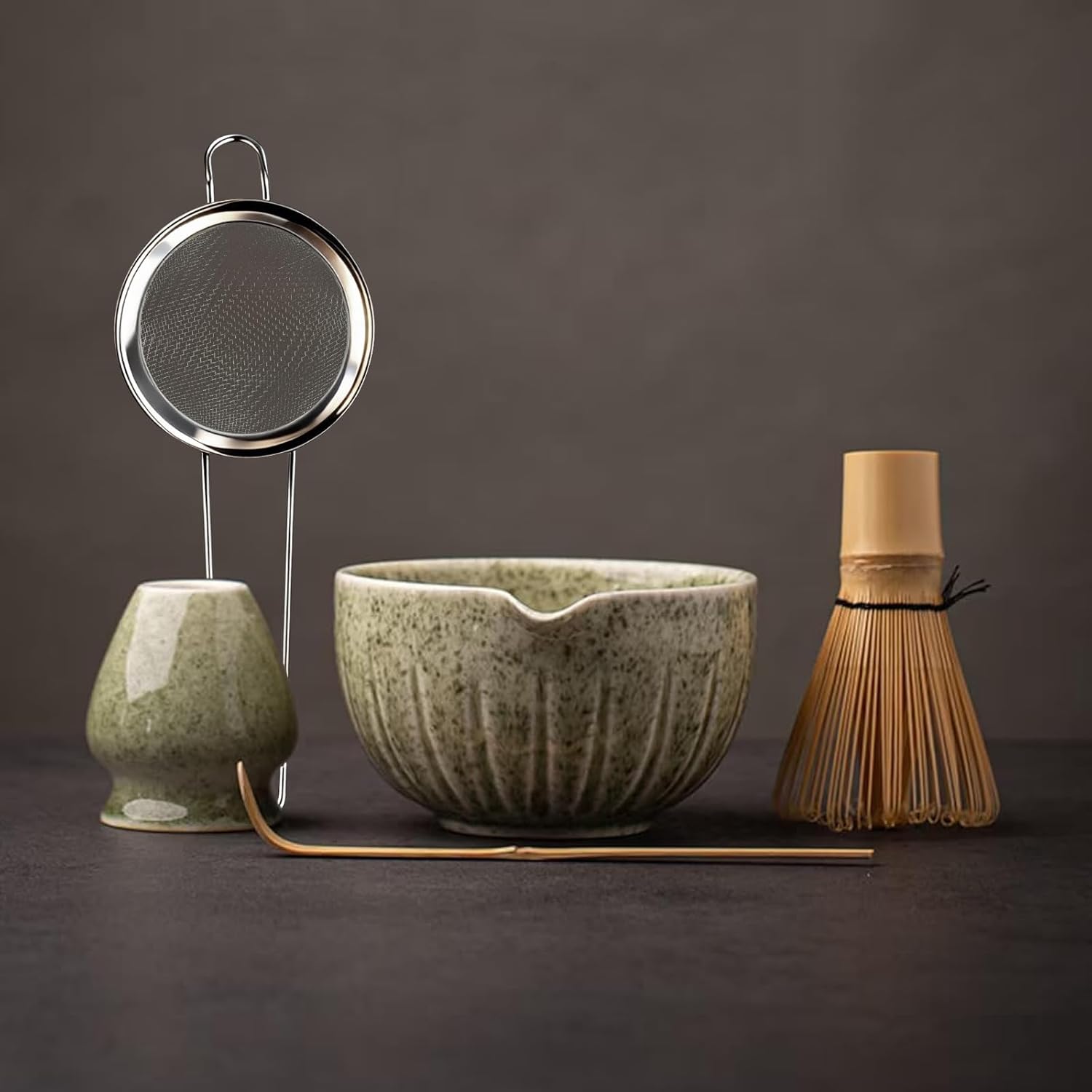
TANG PIN Matcha Set, Bowl, Whisk, Scoop and Stand
Bowl, bamboo whisk, scoop and whisk holder in one box.
$42.79

YAMASAN KYOTO UJI Organic Ceremonial Grade Matcha, 30g
Organic ceremonial matcha from Uji, Kyoto.
$29.50
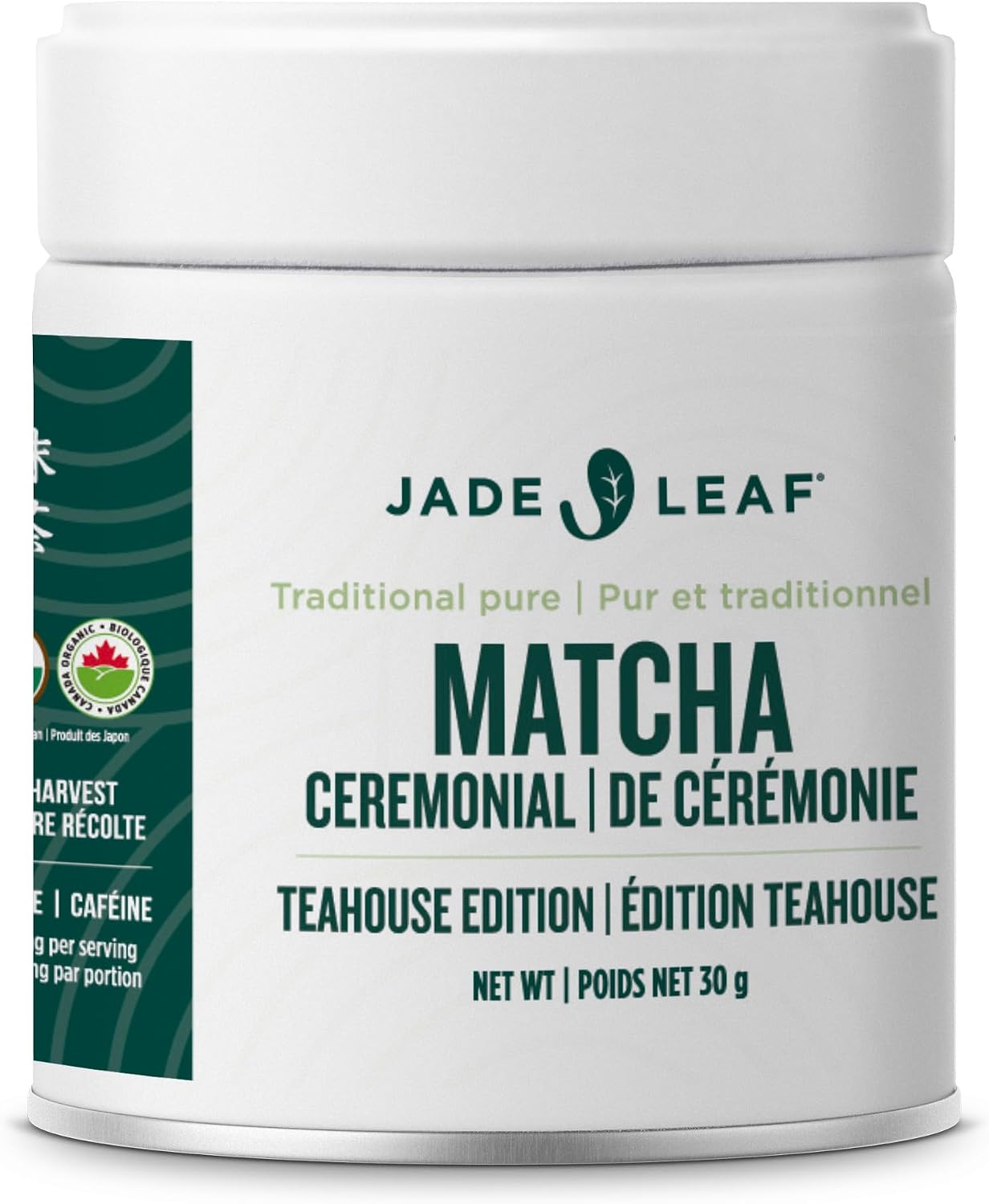
Jade Leaf Ceremonial Grade Matcha Powder, 30g Tin
Teahouse Edition matcha, made for straight matcha and lattes.
$33.99
prime
As an Amazon Associate, Canooq may earn from qualifying purchases.
Sencha, genmaicha and hojicha
Sencha is Japan's everyday green tea: grassy, bright and a little sweet. Use water at 70 to 80°C and steep for about a minute. Deep-steamed (fukamushi) sencha brews even faster and comes out a cloudy, deep green, so 30 to 45 seconds is plenty.
Genmaicha is green tea mixed with toasted brown rice. It smells like popcorn and it's hard to get wrong, so it's a great first Japanese tea.
Hojicha is green tea roasted until it's brown. It tastes toasty, a bit like caramel, and it's low in caffeine, so it's the one to drink after dinner. Genmaicha and hojicha both handle water just off the boil for 30 seconds to a minute.

YAMASAN KYOTO UJI Organic Fukamushi Sencha, 80g
Deep-steamed sencha that brews fast and deep green.
$17.79
prime

YAMASAN KYOTO UJI Genmaicha with Matcha, 60 Tea Bags
Green tea with toasted brown rice and a dusting of matcha.
$27.90
prime

YAMASAN KYOTO UJI Organic Hojicha Roasted Green Tea, 150g
Roasted green tea, low in caffeine, good after dinner.
$29.30
As an Amazon Associate, Canooq may earn from qualifying purchases.
Chinese green tea and oolong
Tea started in China, and oolong and jasmine are the two Chinese styles most worth trying at home.
Oolong, the gongfu way
Gongfu means brewing a lot of leaf in a small pot for very short steeps, again and again. Fill a small teapot about a quarter full of oolong, rinse the leaves with hot water for a few seconds and pour that out. Then steep at around 90°C for 20 to 30 seconds (hotter than the table above, because the steeps are so short), pour it all into cups, and repeat, adding a few seconds each time. Good oolong lasts five or six rounds, and each one tastes a little different.
Jasmine tea
Jasmine tea is green tea scented with jasmine flowers, and it's the base of Vietnamese iced tea and a lot of bubble tea. Brew it like any green tea, at about 80°C for 2 to 3 minutes.
Moroccan mint tea
Chinese green tea also travelled to North Africa, where it became Moroccan mint tea. Put 1 tablespoon of gunpowder green tea in a teapot, rinse it once with a little boiling water and pour that out. Add 500 ml of boiling water, a big handful of fresh mint and 2 or 3 teaspoons of sugar. Steep 3 to 4 minutes, then pour from high up into small glasses so it gets a bit of foam.
Thai iced tea
That bright orange tea at Thai restaurants is cha yen, and most places make it with the ChaTraMue ("Number One") mix in the red bag. The mix is black tea with added flavour and colouring, which is where the orange comes from.
- Put ¼ cup of Thai tea mix in a tea sock or fine strainer and pour 1 cup (250 ml) of boiling water through it.
- Let it steep 3 to 5 minutes, no longer, or it turns bitter.
- Stir in 2 tablespoons of sweetened condensed milk and a teaspoon of sugar while it's hot.
- Pour over a tall glass of ice and float 2 tablespoons of evaporated milk on top.
The red bag of ChaTraMue is 400 g, which at ¼ cup a glass makes roughly 15 to 20.

The Original Thai Iced Tea Mix, Number One Brand, 400g
The ChaTraMue mix behind the orange Thai iced tea you get in restaurants.
$15.97
prime

Number One Milk Green Tea, 200g
ChaTraMue's green version for Thai green milk tea.
$13.08

Thai Tea Filter with ChaTraMue Thai Iced Tea Mix, 400g
A cloth tea sock on a steel handle plus a bag of the mix.
$28.99
As an Amazon Associate, Canooq may earn from qualifying purchases.
Vietnamese tea: trà đá and trà chanh
Vietnamese tea goes the other way from Thai tea: light, green and usually unsweetened.
Trà đá (Vietnamese iced tea)
In Vietnam, a glass of iced green tea often lands on the table before you order, and it's either free or costs next to nothing. That's trà đá. It's usually green tea scented with jasmine, lotus or pandan, served over ice with no sugar or milk.
- Steep 2 jasmine or pandan tea bags (or 1 tablespoon loose) in 1 litre of water at about 80°C for 3 minutes.
- Take the tea out and let it cool.
- Pour it over a glass packed with ice.
Trà chanh (lime iced tea)
Trà chanh is the lime iced tea sold on Hanoi street corners. Brew the same green tea and let it cool. Squeeze in the juice of half a lime per glass, add a teaspoon or two of sugar, stir and pour over ice.
Vietnamese lotus tea
Lotus tea (trà sen) is green tea that has soaked up the scent of lotus flowers. Treat it gently: water around 75 to 80°C, and a short steep of a minute or so, so the flower smell stays.

Thuan Ky Pandan Tea, 6 x 70g
Pandan-scented tea for the free iced tea poured in Vietnamese restaurants.
$18.00

Four O'Clock Green Tea Jasmine and Lotus, 15 Pyramid Bags
Organic fair trade jasmine and lotus green tea from a Quebec tea maker.
$11.99
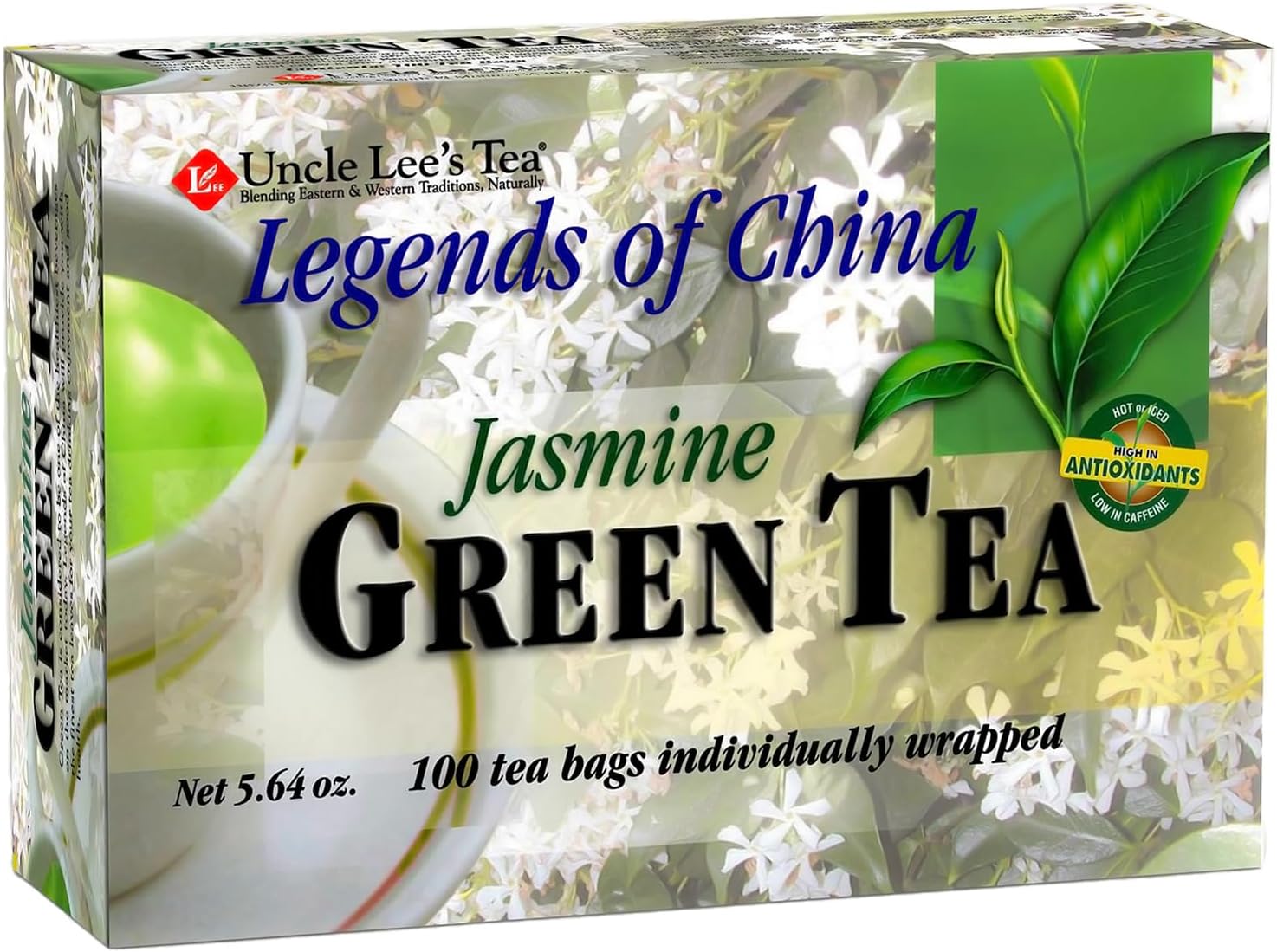
Uncle Lee's Legends of China Jasmine Green Tea, 100-pack
A hundred jasmine green tea bags, enough for many pitchers of iced tea.
$15.31
As an Amazon Associate, Canooq may earn from qualifying purchases.
Hong Kong milk tea and bubble tea
Both start with strong black tea and milk, like the Canadian cup. Hong Kong adds evaporated milk, and Taiwan adds tapioca.
Hong Kong milk tea
It's strong black tea with evaporated milk, and in Hong Kong it's strained through a long cotton bag, which is why it's called "silk stocking" tea. Simmer 2 tablespoons of loose black tea (or 4 strong bags) in 500 ml of water for 5 minutes. Strain it a few times, pouring it back and forth to smooth it out. Serve with about ⅓ cup of evaporated milk per mug and sugar to taste.
Bubble tea at home
Bubble tea, or boba, came from Taiwan, and making it at home is mostly about the pearls.
- Cook the instant tapioca pearls in boiling water for about 5 minutes (follow the bag), then drain.
- Stir them into a spoonful of brown sugar syrup and let them sit for a few minutes.
- Brew strong black or jasmine tea, let it cool and add milk.
- Spoon the pearls into a glass, add ice and pour the tea over.
Cooked pearls go hard in the fridge, so make them the same day you drink them. You'll need a wide straw.

Instant Black Bubble Tea Tapioca Pearls, 1kg
Quick-cook black pearls in a big bag, enough for dozens of drinks.
$17.00
prime

Elo's Premium Instant Tapioca Pearls, 1lb
Marble-size pearls ready in five minutes, in a resealable bag.
$18.95

Reusable Extra Wide Stainless Steel Boba Straws, 4 Pack
12 mm straws with pointed tips, silicone ends and a cleaning brush.
$9.43
As an Amazon Associate, Canooq may earn from qualifying purchases.
Iced tea without the work: cold brew
For summer, or for anyone who finds hot tea bitter, cold brew is the easiest iced tea to make. Put 2 tea bags or 1 tablespoon of loose tea per 500 ml of cold water in a jar and leave it in the fridge for 6 to 8 hours. Cold water pulls out less bitterness, so it's smooth even without sugar. It works with black, green, jasmine and herbal teas.
Where to buy tea in Canada
The grocery store is fine for everyday bags. Red Rose, King Cole, Tetley and Four O'Clock are in most stores, and store brands are cheap for iced tea.
Asian supermarkets like T&T are the best places for Thai tea mix, Japanese green tea, Chinese oolong, Vietnamese jasmine tea and tapioca pearls, often for less than specialty shops.
Specialty tea shops are where you go to smell before you buy. Camellia Sinensis has a tea house in Montreal's Quartier Latin, a shop in Quebec City and a tea school with tastings and workshops. Murchie's has its eight shops around Vancouver and Victoria, and DAVIDsTEA still runs a handful of stores.
For an occasion, Tea at the Empress in Victoria is the classic. Book ahead.
Amazon is the easy option for gear and for brands your local store doesn't carry, like JusTea, Japanese teas or ChaTraMue. You can browse every tea deal on Amazon.ca in one place.
Tea from A to Z
Assam: strong, malty black tea from northeast India, the backbone of most breakfast blends.
Bergamot: the citrus oil that turns black tea into Earl Grey.
Chai: the word for tea in Hindi. In Canada it usually means spiced milk tea.
Darjeeling: light, floral black tea from the Himalayan hills of West Bengal, best without milk.
Earl Grey: black tea with bergamot, and the base of a London Fog.
First flush: the first spring picking of the year, prized for fresh, bright flavour.
Genmaicha: Japanese green tea with toasted brown rice.
Gyokuro: Japanese green tea grown in shade for a few weeks before picking, which makes it sweeter and rich in umami.
Hojicha: roasted Japanese green tea, low in caffeine.
Iced tea: hot-brewed and chilled, or cold-brewed overnight, which is smoother.
Jasmine: green tea scented with jasmine flowers, the base of much Vietnamese and Chinese iced tea.
Kombucha: sweet tea fermented with a culture of bacteria and yeast, slightly fizzy.
London Fog: Earl Grey, steamed milk and vanilla, from Vancouver.
Matcha: powdered Japanese green tea whisked in water or milk.
Nilgiri: smooth black tea from southern India, good for iced tea.
Oolong: partly oxidized tea, somewhere between green and black. Taiwan and China's Fujian province are famous for it.
Pu'erh: aged, fermented tea from China's Yunnan province, earthy and dark.
Rooibos: a South African red bush with no caffeine.
Sencha: Japan's everyday green tea.
Tetsubin: a Japanese cast iron kettle. In Canadian shops the word usually means an enamel-lined cast iron teapot.
Umami: the savoury, almost brothy taste in good Japanese green tea, strongest in gyokuro.
Vietnamese tea: jasmine, lotus and pandan green teas, often served iced as trà đá.
White tea: young buds and leaves, barely processed, delicate and sweet.
Xinyang Maojian: one of China's famous green teas, from Henan province, with thin curly leaves and a clean taste.
Yerba mate: a caffeinated South American herb, traditionally drunk from a gourd through a metal straw.
Zisha: the purple clay from Yixing, China, used for unglazed teapots that are kept for a single kind of tea.
Tea gift ideas
A sampler lets someone try a dozen teas before committing to a full tin. For a bigger gift, pair a glass teapot or a bamboo matcha whisk with a 30 g tin of matcha. Canooq's list of the best purchases under $300 and its made-in-Canada picks have more ideas, and the Canooq deals page tracks current discounts.

Ahmad Tea Variety Gift Box, 60 Foil Teabags, Twelve Teas
Twelve teas in foil envelopes in a gift box.
$19.99
prime

VAHDAM Assorted Tea Sampler, 15 Varieties
Fifteen long-leaf teas in individually wrapped pyramid bags.
$11.99
prime

Yogi Canada Organic Tea Sampler Gift Box, 45 Tea Bags
Six Yogi favourites in one organic sampler box.
$29.99
As an Amazon Associate, Canooq may earn from qualifying purchases.
More tea gift sets, including tins and teapot bundles, are in Amazon's current tea gift deals.
Sources and verification
Based on Health Canada, CRA, the Tea and Herbal Association of Canada and brand pages. Amazon.ca prices and ratings change often. The London Fog savings are a Canooq illustration based on a $6 café drink.
 Thomas TremblayUpdated September 29, 2026
Cite this page: Canooq.ca, Tea in Canada: Brands, Recipes, Accessories and Where to Buy, https://www.canooq.ca/blog/tea-in-canada
Canooq content is educational and may include affiliate or referral links. It is not financial, tax, legal, immigration, employment, mortgage, real estate, or healthcare advice. Verify official sources and provider terms before acting.
- Tea and Herbal Association of Canada: How to brew
- Health Canada: Caffeine in foods
- Canada Revenue Agency: GST/HST Memorandum 4.3, Basic Groceries
- Western University, The Mirror: Tea as Nation Builder: Pre-Confederation Canada
Show all 13 sources
- Red Rose Tea: A history of a classic
- Atlantic Business Magazine: Steeped in 156 years of history: Barbours, makers of King Cole tea
- Murchie's Tea & Coffee: About us
- JusTea: Our story
- Westholme Tea Company: Westholme Tea Farm
- Camellia Sinensis: Our story
- Fairmont Empress: Tea at the Empress
- Ippodo Tea: Basic usucha (matcha)
- Vietnam Coracle: Trà đá: ode to Vietnamese iced tea