Storm Watching in Tofino: Where to Stay, Walk, and Eat on the Wild West Coast
When winter arrives on the west coast of Vancouver Island, the tourists pack away their beach towels, but the real season is just beginning. From late October to early March, the town of Tofino becomes a destination for storm watching. Low-

Storm Watching in Tofino: Where to Stay, Walk, and Eat on the Wild West Coast
Quick answer: Tofino storm watching is strongest from November to February when you book for weather, stay near the beach, and build in warm indoor stops. Official source: Tourism Tofino seasonal guide Read next: Western Canada road-trip guide.
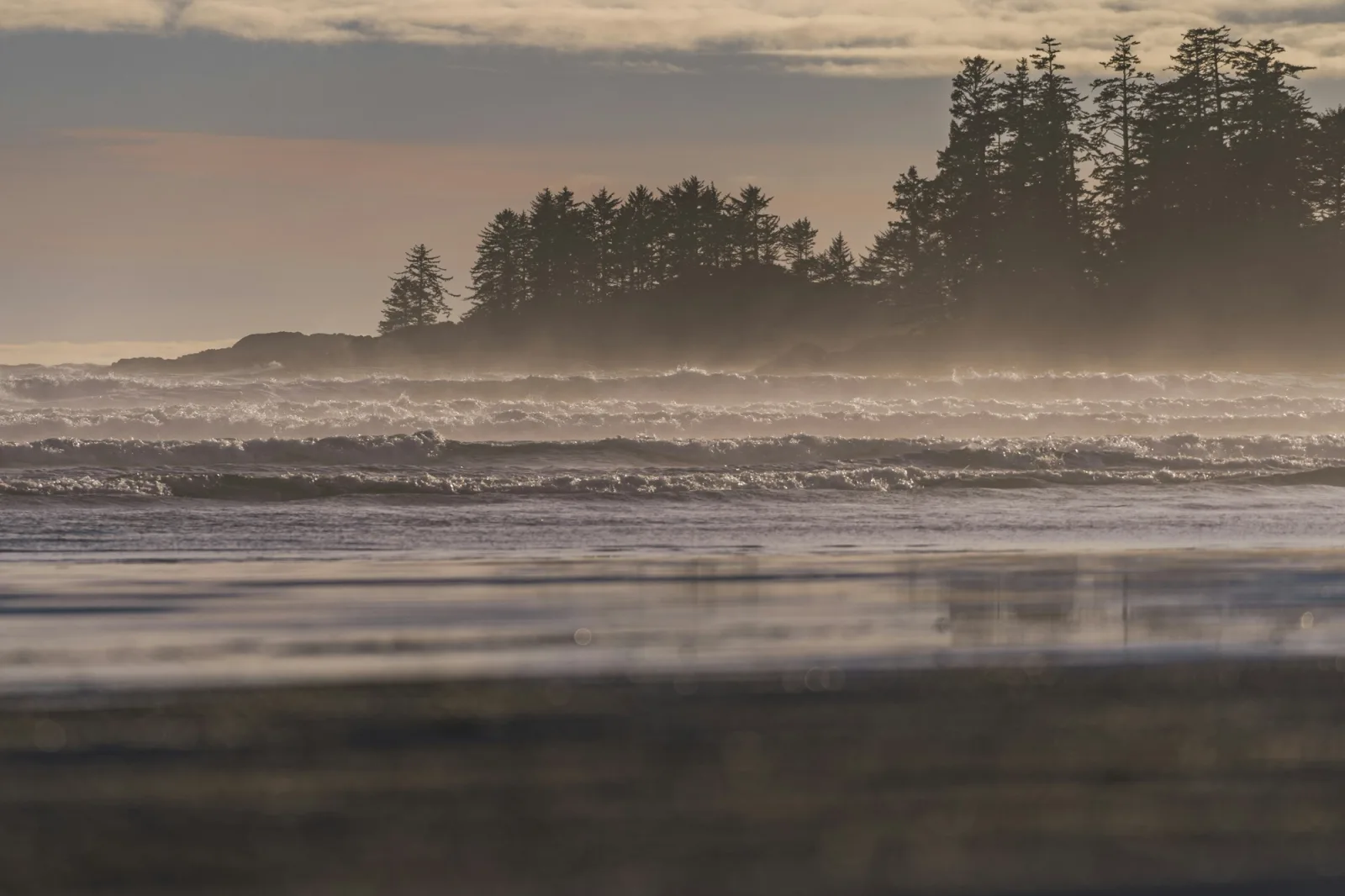
When winter arrives on the west coast of Vancouver Island, the tourists pack away their beach towels, but the real season is just beginning. From late October to early March, the town of Tofino becomes a destination for storm watching. Low-pressure systems roll across the open Pacific Ocean, slamming into the rugged granite headlands of Clayoquot Sound. The result is a theatrical display of weather: dark, heavy clouds rolling low over the canopy, thick mist weaving through ancient hemlocks, and massive swells throwing spray fifty feet into the air.
For travelers looking to experience this wild environment, Tofino offers a unique mix of raw coastal wilderness and comfortable storm-watching lodges. Planning a trip during the winter months requires careful attention to road conditions and park regulations. If you are traveling to the island from Washington State or flying via international hubs, review our guide to NEXUS card processing times to ensure your border crossing is smooth.
The Drive and Winter Logistics
Tofino is located at the terminus of Highway 4, also known as the Pacific Rim Highway. The drive from the ferry terminals in Nanaimo takes approximately three hours under good conditions, while driving from Victoria takes about four and a half hours.
The highway cuts across the mountainous spine of Vancouver Island, climbing through Sutton Pass. This section of the road is steep, winding, and prone to heavy rain, washouts, and occasional snow. Winter tires are legally required on Highway 4 from October 1 to March 31. Check the DriveBC portal for highway conditions and construction delays before leaving. If you are starting your journey from the mainland and want to explore other coastal routes, browse our guide to scenic drives near Vancouver.
Where to Walk: Beach Paths and Cliffside Views
Watching a storm requires choosing vantage points that offer wide ocean views while keeping you safe from the power of the water. Tofino’s beaches face different directions, meaning the wave action varies depending on the wind.
Chesterman Beach
Chesterman Beach is a three-kilometer crescent of white sand divided into North and South sections by a rocky spit. During a storm, the wind drives massive rollers into the shallow bay, creating a wall of white water. The hard-packed sand is perfect for walking, but you must watch for rogue waves and floating logs, which can be tossed onto the beach by the surf.
Cox Bay
Cox Bay is the premier surfing beach in Tofino, facing directly into the open ocean. It receives the most consistent and powerful swells on the coast. During a winter storm, the bay becomes a chaotic expanse of churning grey water. You can walk the shoreline to watch local cold-water surfers navigate the breaks, or stand near the rocky headlands at either end of the beach to watch the waves collide with the stone.
The Wild Pacific Trail, Ucluelet
Located a forty-minute drive south of Tofino in the neighboring town of Ucluelet, the Wild Pacific Trail offers the most dramatic storm viewing on the coast. The trail winds along the edge of black basalt cliffs, leading to the historic Amphitrite Point Lighthouse. Unlike Tofino's sandy bays, Ucluelet’s coastline is rocky and steep. The waves strike the cliffs with immense force, sending plumes of spray high over the trail. The path is well-maintained and gravel-surfaced, providing safe viewing platforms tucked back into the stunted spruce forest.
Safety Notes on the Coast
The West Coast is unpredictable during a storm. Never walk on wet black rocks, as they are slippery and indicate where waves have recently reached. Keep a safe distance from the high-tide line, and never turn your back on the ocean. If you are preparing to hike the coastal trails, review our checklist of essential hiking items to ensure you have proper waterproof layers, trail navigation lights, and safety gear.
Where to Stay: Cozy Fires and Oceanfront Views
The key to a storm-watching trip is having a warm refuge to return to after a wet walk. Tofino’s accommodation is built around the view, featuring properties that place the ocean right outside your window.
The Wickaninnish Inn
Built on a rocky promontory at the northern end of Chesterman Beach, the Wickaninnish Inn is the historic birthplace of Tofino's storm-watching culture. The inn was designed specifically for winter viewing, featuring floor-to-ceiling windows, stone fireplaces, and deep soaking tubs in every room. The property provides full yellow rain gear and boots for guests to use during their walks, and features an oceanfront lounge where you can watch the waves crash against the rocks below.
Cox Bay Beach Resort
Located right on the sands of Cox Bay, this resort offers modern, loft-style suites with gas fireplaces and full kitchens. The beach-level boardwalk provides direct access to the sand, and the property features an outdoor hot tub and a fitness center facing the ocean, allowing you to watch the weather roll in while staying warm.
Ocean Village Resort
For a more rustic and family-friendly option, Ocean Village features classic, dome-shaped wooden cabins right on Mackenzie Beach. Mackenzie Beach is more sheltered than Cox Bay, making it a quieter spot for listening to the rain and watching the waves. The cabins feature wood-paneled walls, full kitchens, and private patios steps from the sand.
Where to Eat: Comfort Food and Warm Drinks
After spending hours in the cold wind and rain, Tofino’s food scene offers a welcome warmth. The town focuses on comfort food, fresh local seafood, and wood-fired dining.
Rhino Coffee House
Start your morning at Rhino Coffee House in the center of town. It is a local gathering spot known for its house-roasted espresso and fresh, handmade donuts. Try the "Bronut," a breakfast sandwich served inside a savory glazed donut, which is a local favorite before heading out to the beaches.
Tacofino
The original orange food truck sits in the back of the live-to-surf parking lot on the Pacific Rim Highway. Despite the winter rain, locals and surfers stand under the wooden awnings to order fresh fish tacos, crispy tempura lingcod, and gringa burritos. The food is hot, spicy, and perfectly suited for a wet day.
Shed Tofino
Shed is a casual, cozy restaurant located in the heart of Tofino. The menu features burgers made with local beef, rice bowls, and draft beers from local breweries. The atmosphere is relaxed, with surfboards on the walls and a heated outdoor patio.
Wolf in the Fog
For an upscale dinner, Wolf in the Fog celebrates the wild ingredients of the island. The dining room features wood paneling and a large bar, serving dishes like cedar-smoked sablefish, locally foraged mushrooms, and fresh oysters. Their cocktail menu is creative, featuring warm toddies and winter drinks designed to combat the chill.
Sources and Resources
- Parks Canada: Reservation details, park entry passes, and trail safety updates for Pacific Rim National Park Reserve. pc.gc.ca
- DriveBC: Real-time road conditions, construction updates, and winter tire requirements for Highway 4. drivebc.ca
- District of Tofino: Local trail conditions, beach access details, and municipal updates. tofino.ca
- Canooq Travel: Browse more coastal BC itineraries and travel guides on the Canooq travel hub.
Build a Tofino storm-watching weekend around the weather
Storm watching works because the weather is part of the experience, not an inconvenience to defeat. Plan one substantial outdoor window each day and keep the rest of the schedule flexible. A morning beach walk may be perfect on one day, while a shorter afternoon stop and a long meal may be better on the next. Leave room to return to the same beach when the light changes; the coast can look completely different within a few hours.
A three-day rhythm is simple: use the first day for the drive and a short beach introduction, make the second day the main coast-and-forest day, and leave the third day for one final walk before the return trip. This avoids turning the West Coast road into a race. If the group is driving from Vancouver, reserve the mental and physical space for ferry timing, winding roads, and a slower arrival than a map estimate suggests.
Stay close to the part of the coast you want to use
Beach access matters more in storm season because a short walk between your room, a lookout, and a warm indoor space can be the difference between going outside and staying under a blanket. Chesterman Beach and Cox Bay create different moods, while Ucluelet’s Wild Pacific Trail gives the trip a forest-and-ocean option. Choose a base that matches your priorities and check the current walking, parking, dining, and road details before arrival.
Do not treat a dramatic surf photo as an invitation to get close to the water. Keep back from logs, shore breaks, cliffs, and exposed edges, and follow local signs and advisories. The best storm-watching viewpoint is one where you can stay warm, dry, and well away from unpredictable waves. Bring waterproof layers, a spare pair of socks, a hat, and a bag that protects phones and cameras from spray.
Food and indoor stops are part of the itinerary
Book at least one good meal and keep a casual option ready for the evening when the weather wins. Tofino’s cafés, restaurants, breweries, and hotel dining rooms give the trip a natural reset after a wet walk. A book, card game, sauna, or simple room with a view can be a better plan than adding another exposed trail. Plan a coastal weekend that still feels generous when rain changes the route.
Page details
- Written by
- Thomas Tremblay
- Last updated
- August 6, 2026
Cite this page: Canooq.ca, Storm Watching in Tofino: Where to Stay, Walk, and Eat on the Wild West Coast, https://www.canooq.ca/travel/storm-watching-tofino
Canooq content is educational and may include affiliate or referral links. It is not financial, tax, legal, immigration, employment, mortgage, real estate, or healthcare advice. Verify official sources and provider terms before acting.