How to Cancel a Pre-Authorized Debit in Canada and Stop Future Withdrawals

September 3, 2026
Cancel a pre-authorized debit in Canada, request a stop payment and recover unauthorized withdrawals without cancelling the underlying contract.
PRACTICAL GUIDE
Cancel the agreement and block the next debit.
The cleanest cancellation has two parts: tell the biller in writing that you are cancelling the pre-authorized debit, then use your bank's stop-payment option when a withdrawal is approaching or the biller does not act. Keep the underlying service contract separate from the payment method.
- Send the cancellation request to the biller and keep proof of delivery.
- Ask your bank about stop payment when the next debit must not leave the account.
- A cancelled PAD does not automatically cancel a loan, subscription, lease, or other contract.
See the banking basics
Build a banking system that makes recurring payments easier to control.
What's on this page
Cancel a pre-authorized debit in Canada, request a stop payment and recover unauthorized withdrawals without cancelling the underlying contract.
A pre-authorized debit can be cancelled by notifying the company taking the payment, usually called the biller, in writing. Keep a copy of the cancellation and monitor your bank account afterward.
If another withdrawal is approaching, contact your bank or credit union about placing a stop payment on the debit. A fee may apply, and the financial institution needs enough time to process the request.
Cancelling the withdrawal does not cancel the contract, subscription, loan or other amount you owe. It only removes the company’s permission to collect payment automatically from that bank account.
First confirm that the payment is a pre-authorized debit
A pre-authorized debit, or PAD, allows a company or organization to withdraw money directly from your chequing or savings account.
Common examples include:
- gym memberships;
- insurance premiums;
- loan payments;
- utility bills;
- telecommunications plans;
- charitable donations;
- rent payments; and
- tax payment arrangements.
A PAD is different from a recurring charge placed on a credit card. It is also different from a scheduled Interac e-Transfer or an automatic bill payment that you created through online banking.
Check your bank statement. A PAD may appear with the biller’s name, a shortened company name or the name of a separate payment processor.
If you cannot identify the withdrawal, ask your financial institution for the originator’s name and available transaction details. Treat an unknown debit as potentially unauthorized and report it promptly.
Cancel the agreement with the biller in writing
Send the cancellation directly to the company or organization withdrawing the money. Follow the cancellation instructions in your PAD agreement if you still have a copy.
Payments Canada says the biller must cancel the PAD agreement within 30 days after receiving the notice. The agreement may allow a shorter cancellation period.
Written notice can usually be sent by email, through the biller’s online account, by mail or through another documented method accepted under the agreement. A phone call can help, but it is harder to prove later.
Include enough information for the biller to locate the authorization:
- your full name;
- your account or customer number with the biller;
- the service or agreement involved;
- the date of your request;
- a clear statement that you are cancelling the PAD authorization;
- the date on which the cancellation should take effect; and
- a request for written confirmation.
Do not send your online banking password, debit card PIN or full bank login information.
Pre-authorized debit cancellation template
Subject: Cancellation of pre-authorized debit agreement
I am cancelling the pre-authorized debit agreement that authorizes [company name] to withdraw funds from my bank account for [service or account number].
Please stop all withdrawals under this authorization effective [date]. This notice cancels the pre-authorized debit payment method. Please confirm the cancellation in writing and advise me of any remaining balance or alternative payment method required under my contract.
Name:
Customer or account number:
Date:
Contact information:
Keep the sent email, confirmation page, cancellation number or postal receipt. If the biller continues taking money, those records will support your reimbursement request.
Cancelling the debit does not cancel the service
A PAD authorization and the underlying contract are separate.
Cancelling a gym debit does not necessarily cancel the gym membership. Cancelling an insurance withdrawal does not end the policy on the same date. Stopping a loan payment does not remove the loan balance.
If you still owe money, arrange another payment method. Otherwise, the company may charge late fees, suspend the service, send the account to collections or take other action allowed by the contract.
Payments connected to a loan, credit card, mortgage or line of credit require particular care. A missed payment can affect your credit history even when the automatic debit was successfully stopped.
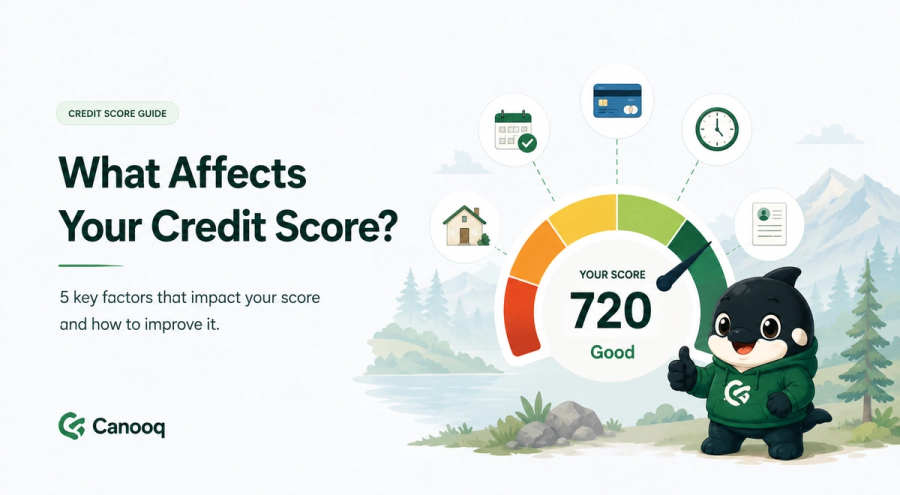
Canooq’s credit score guide explains how missed payments and collections can affect Canadian credit files. The budget planner can help track payments that need to be replaced after a PAD is cancelled.
Ask your bank for a stop payment when timing is tight
A stop-payment request tells your financial institution not to process a specified upcoming debit.
Contact the bank or credit union as soon as possible. Ask:
- how much advance notice it needs;
- whether the stop applies to one payment or recurring payments;
- what information is required to identify the debit;
- how long the stop-payment instruction remains active; and
- what fee will be charged.
The bank may need the biller’s name, the expected amount, the withdrawal date and the account from which the money is taken.
A stop payment works best when the transaction can be identified accurately. Variable withdrawals can be harder to block if the amount changes each month, so provide as much information as possible.
A bank stop payment is an additional safeguard. You should still cancel the PAD agreement with the biller unless the debit was never authorized.
Placing a stop payment also does not cancel the underlying contract. Make another payment arrangement for any amount that remains lawfully due.
Monitor the account after cancelling
Review the account for at least the next few payment cycles. Confirm that the withdrawal stopped and keep enough money available for other scheduled transactions.
If the biller takes another payment after the cancellation should have become effective:
- contact the biller and request a refund;
- contact your financial institution;
- provide the cancellation notice and withdrawal details; and
- request reimbursement under the PAD rules.
Do not wait for the company to resolve the problem if the reimbursement deadline is approaching.
If the unauthorized withdrawal caused an overdraft, non-sufficient funds fee or another payment to fail, ask your financial institution to reverse the resulting charges. Payments Canada’s PAD rules do not automatically determine how bank fees are handled, so the bank must review that request.
You have 90 days to dispute an unauthorized consumer PAD
Consumers generally have 90 days from the withdrawal date to report an incorrect or unauthorized PAD to their financial institution.
A debit may qualify for reimbursement when:
- you never authorized it;
- the PAD agreement had already been cancelled;
- the amount or timing did not follow the agreement;
- the biller failed to provide required notice for a variable amount; or
- the debit otherwise did not comply with the authorization.
Your financial institution will normally ask you to sign a declaration explaining why the debit should be reversed.
The institution does not have to reimburse a consumer PAD claim made after the 90-day period. If the deadline has passed, you can still pursue the biller directly or use other complaint and legal processes, but the standard PAD reimbursement protection may no longer apply.
Different deadlines and requirements can apply to business PADs and specialized funds-transfer arrangements. A business should contact its financial institution immediately rather than assuming the consumer 90-day period applies.
Variable withdrawals normally require advance notice
When the PAD amount changes, the biller generally must notify you at least 10 days before withdrawing the money. The notice should identify the amount and withdrawal date.
The 10-day period can be shortened or waived if the agreement allows it and you agreed to that arrangement. You may have done this when accepting electronic terms.
Irregular PADs may require separate authorization for each withdrawal. One-time PAD agreements automatically end after the authorized payment is completed. A new debit normally requires a new authorization.
Review the original agreement before disputing a variable withdrawal. A utility bill that changes each month may still be valid if you agreed to receive less notice or waived the notice period.
If the biller says it cannot cancel the debit
Refer the company to your written cancellation and request escalation to its billing or payments department. Ask for a written response explaining why it believes the authorization remains active.
Send the cancellation again if necessary and contact your bank about a recurring stop payment.
If the company keeps taking money, submit a reimbursement request for each unauthorized debit within 90 days. Do not assume that reversing one withdrawal automatically blocks the next one.
Closing the bank account should usually be a last resort. Before closing it, move direct deposits, legitimate PADs, scheduled bill payments and outstanding cheques to another account. Canooq’s New to Canada guides include practical information about Canadian bank accounts and recurring payments.
Escalate a complaint about your bank
If a bank refuses to investigate an eligible PAD complaint or you disagree with its response, use the bank’s formal complaint process.
Keep notes showing:
- when the complaint was submitted;
- the name of each employee contacted;
- the documents provided;
- the response received; and
- any fees or losses caused by the debit.
A federally regulated bank must provide a detailed written response within 56 calendar days after the complaint was first made.
You can ask the Ombudsman for Banking Services and Investments, or OBSI, to review the complaint after the bank closes the file or once more than 56 days have passed. OBSI provides a free and impartial review.
The Financial Consumer Agency of Canada oversees compliance with federal consumer protection requirements. It does not resolve individual claims for compensation, but complaints can help it identify possible compliance problems.
Quick cancellation checklist
- Identify the company taking the debit.
- Review the PAD agreement and the underlying contract.
- Send written cancellation to the biller.
- Keep proof that the notice was delivered.
- Arrange another payment method for any amount still owed.
- Request a bank stop payment if another debit is approaching.
- Monitor the account after cancellation.
- Dispute unauthorized consumer PADs within 90 days.
- Ask for related bank fees to be reviewed.
- Escalate unresolved banking complaints through the formal process.
Sources
- Financial Consumer Agency of Canada guide to pre-authorized debits
- Payments Canada consumer guide to pre-authorized debits
- Payments Canada Rule H1 and ACSS rules
- How to file a complaint with your bank
- Ombudsman for Banking Services and Investments complaint process
Last updated August 29, 2026. This guide covers consumer pre-authorized debits from Canadian bank accounts. Contract terms, business PADs and specialized payment arrangements may have different requirements.
Related articles:
Page details
Author: Thomas Tremblay
Updated: August 29, 2026
Reviewed by: Canooq Editorial
Last reviewed: August 29, 2026
Sources verified: August 29, 2026
Cite this page: Canooq.ca, How to Cancel a Pre-Authorized Debit in Canada and Stop Future Withdrawals, https://www.canooq.ca/blog/cancel-pre-authorized-debit-canada
Canooq content is educational and may include affiliate or referral links. It is not financial, tax, legal, immigration, employment, mortgage, real estate, or healthcare advice. Verify official sources and provider terms before acting.
Enjoy Canooq? Let us keep helping you — make Canooq a preferred source on Google.