Quebec's Ice Cider Route: The Drink Canada Invented and Where to Taste It

August 23, 2026
Ice cider is a Quebec invention with a protected designation. How cryoextraction works, what to expect at a tasting and which producers to visit.
What's on this page
Ice cider was created in Quebec in the late 1980s, is protected by a geographic indication, and is made by concentrating apple sugars through freezing rather than by adding anything. The orchards that make it cluster in the Monteregie and Brome-Missisquoi, an hour from Montreal, and most are open for tasting year-round.
Canada has invented very few drinks. Ice cider is one of them, and it happened in an orchard in the Eastern Townships in the late 1980s when a grower looked at what German and Austrian producers were doing with frozen grapes and asked why the same logic would not work on apples.
It worked. Ice cider is now protected by a geographic indication in Quebec, the province makes almost all of the world's supply, and the orchards that produce it sit within about an hour of Montreal in two clusters that make a very good day out.
What ice cider actually is
It starts with apples and cold, and nothing else is added. The sugar concentration comes from freezing, and there are two accepted methods.
- Cryoextraction. The apples stay on the tree into December or January and freeze there. They are picked frozen and pressed while still hard, which yields a small amount of intensely concentrated juice.
- Cryoconcentration. Apples are picked in autumn, pressed, and the juice is left outside to freeze. Water freezes first, and the concentrated sugar syrup is drawn off.
Either way the concentrated juice is fermented slowly over months, and the finished cider is sweet, high in acid and usually around 9 to 13 percent alcohol. The protected designation sets a minimum residual sugar level and requires the concentration to come from natural cold rather than from equipment.
The glass holds a dessert-style cider: apple, caramel, dried fruit and a hard line of acidity that stops the sugar becoming cloying. It works with blue cheese, foie gras, tarte tatin and a cold porch in October.
Cluster one: Monteregie, 40 minutes from Montreal
The orchards around Rougemont, Mont-Saint-Gregoire and Hemmingford sit on the plain south and east of the city, and this is the easiest cluster to reach.
La Face Cachee de la Pomme, Hemmingford
The producer behind Neige, which is the ice cider most Canadians have actually tasted, and one of the operations that turned a local experiment into an industry. The tasting room explains the process properly.
Cidrerie Michel Jodoin, Rougemont
A fifth-generation orchard on the slope of Mont Rougemont, making sparkling ciders and a rosé cider from red-fleshed apples alongside the ice cider. The cellar tour is one of the better ones in the region.
Verger Lacroix, Saint-Joseph-du-Lac
Northwest of the city rather than south, which makes it the option if you are coming from the Laurentians side. Orchard, distillery and cider house in one.
Cluster two: Brome-Missisquoi, an hour and a half out
The Eastern Townships cluster around Dunham and Frelighsburg is prettier, hillier and worth the extra drive. It also overlaps with the Route des vins, so a day here mixes cider with Quebec wine.
Clos Saragnat, Frelighsburg
The orchard of the grower credited with inventing ice cider. It is farmed without irrigation or synthetic inputs, and it also produces fire cider, made by concentrating the juice with heat rather than cold, which almost nobody else does.
Domaine Pinnacle, Frelighsburg
The largest and best known of the Townships producers, on the slope of Pinnacle Mountain, with a view across the orchard that explains why people keep coming back in October.
Union Libre, Dunham
Cider and wine on the same site, including a fire cider and a good range of still ciders. A sensible last stop before dinner in Dunham or Sutton.
Planning an ice cider day
Drive times are one way from downtown Montreal.
| Cluster | Drive | How many stops | Pair it with |
|---|---|---|---|
| Monteregie | 40 to 60 minutes | Two or three | Apple picking in September, Mont-Saint-Hilaire |
| Brome-Missisquoi | 1.5 hours | Two or three | The Route des vins, Sutton, Knowlton |
| Saint-Joseph-du-Lac | 45 minutes | One or two | Oka and the lake |
How to do it without a designated driver problem
Tastings are small but they add up, and rural Quebec has no tolerance for guessing. Three options work: appoint a driver and let them taste one thing and spit, book a tour operator running from Montreal, or stay overnight in Dunham, Sutton or Bromont and turn the day into a weekend.
The weekend version is the better one anyway, since the Townships have a Nordic spa, decent restaurants and an obvious second day. Our guide to wine weekends in the Okanagan covers the same logic on the other side of the country, and the Experience Finder filters food and wine trips by starting city.
What a tasting is actually like
Nothing about it is formal. Most of these are working orchards with a counter in a converted barn, and the person pouring is often the person who pressed the fruit. A flight usually runs three or four pours: a still cider, a sparkling one, then the ice cider at the end, sometimes with a fire cider or an apple aperitif alongside.
Fees are small and frequently waived if you buy a bottle. Take the ice cider last, because after it everything else tastes thin. And ask what the apples were, since the blends here run to varieties that never reach a supermarket, including russets and heirloom cider apples grown specifically because they are too sharp to eat.
When to go
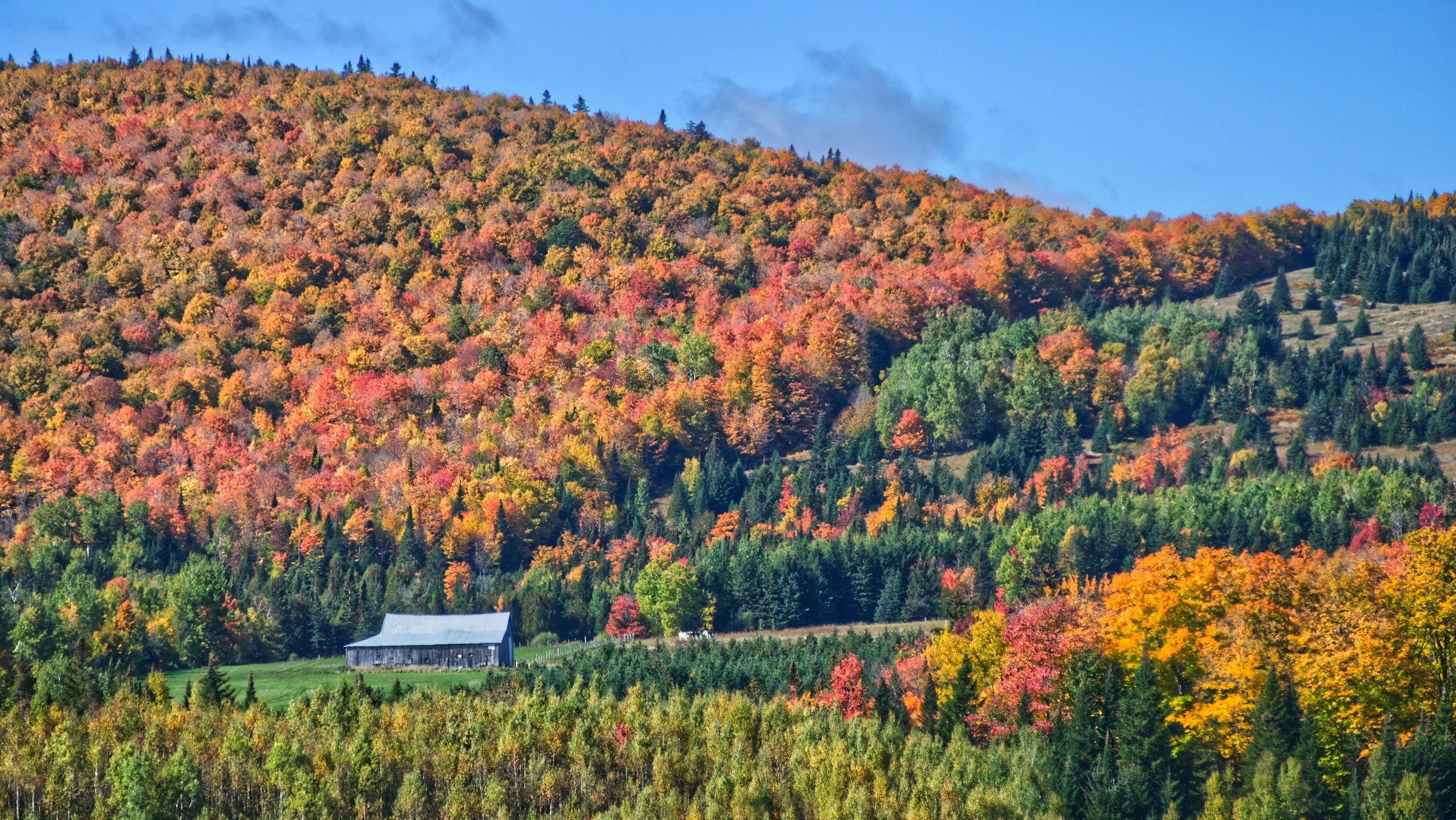
- September and October. Apple picking season, full tasting rooms, autumn colour on the hills. Busy, and the best time to see the orchards.
- December and January. Harvest for cryoextraction, when the frozen apples are still hanging. Cold, quiet and the most interesting time to talk to a producer.
- Spring and summer. Tasting rooms stay open, the orchards are green, and you will have the place to yourself.
Most producers keep year-round hours but reduce them off-season, and some are weekend-only in winter. Check before driving out, particularly for the smaller Frelighsburg operations. If you are combining a cider day with a park visit, the Pass and Parking Checker covers Sepaq access rules, and the Quebec bucket list has the rest of what the province is worth planning around.
Plan the rest of the trip
A cider day pairs naturally with a park or a spa, and both have their own booking rules.
Common questions
What is the difference between ice cider and ice wine?
Ice cider is made from apples and ice wine from grapes. Both concentrate sugars by freezing, and both are protected designations in Canada with their own production rules.
Where was ice cider invented?
In Quebec, in the late 1980s, by a grower in the Eastern Townships who adapted the ice wine principle to apples. Quebec still produces the overwhelming majority of the world's supply.
How should you serve ice cider?
Cold, around 6 to 8 degrees, in a small glass, with a strong cheese or a dessert. An open bottle keeps well in the fridge for a couple of weeks.
Can you visit orchards in winter?
Yes, and January is when the frozen apples are still on the trees. Hours are reduced, so call ahead.
Sources
Related travel guides:
Page details
Author: Thomas Tremblay
Updated: August 13, 2026
Last reviewed: August 13, 2026
Sources verified: August 13, 2026
Cite this page: Canooq.ca, Quebec's Ice Cider Route: The Drink Canada Invented and Where to Taste It, https://www.canooq.ca/travel/quebec-ice-cider-route
Canooq content is educational and may include affiliate or referral links. It is not financial, tax, legal, immigration, employment, mortgage, real estate, or healthcare advice. Verify official sources and provider terms before acting.
Enjoy Canooq? Let us keep helping you — make Canooq a preferred source on Google.