How the best credit cards in Canada are ranked here
A credit card pays you in two ways. The first is the welcome bonus, a one-time reward for opening the card and spending a set amount in the first few months. The second is what you earn on every purchase after that, either as cash back or as points.
The first-year value in the list counts the first kind. It adds the welcome bonus, any referral or application cash, and the yearly credits the card includes (a travel credit or a NEXUS credit, for example). Then it takes off the annual fee you'd pay in year one. Points are turned into dollars at an estimated value, because what a point is worth depends on how you use it.
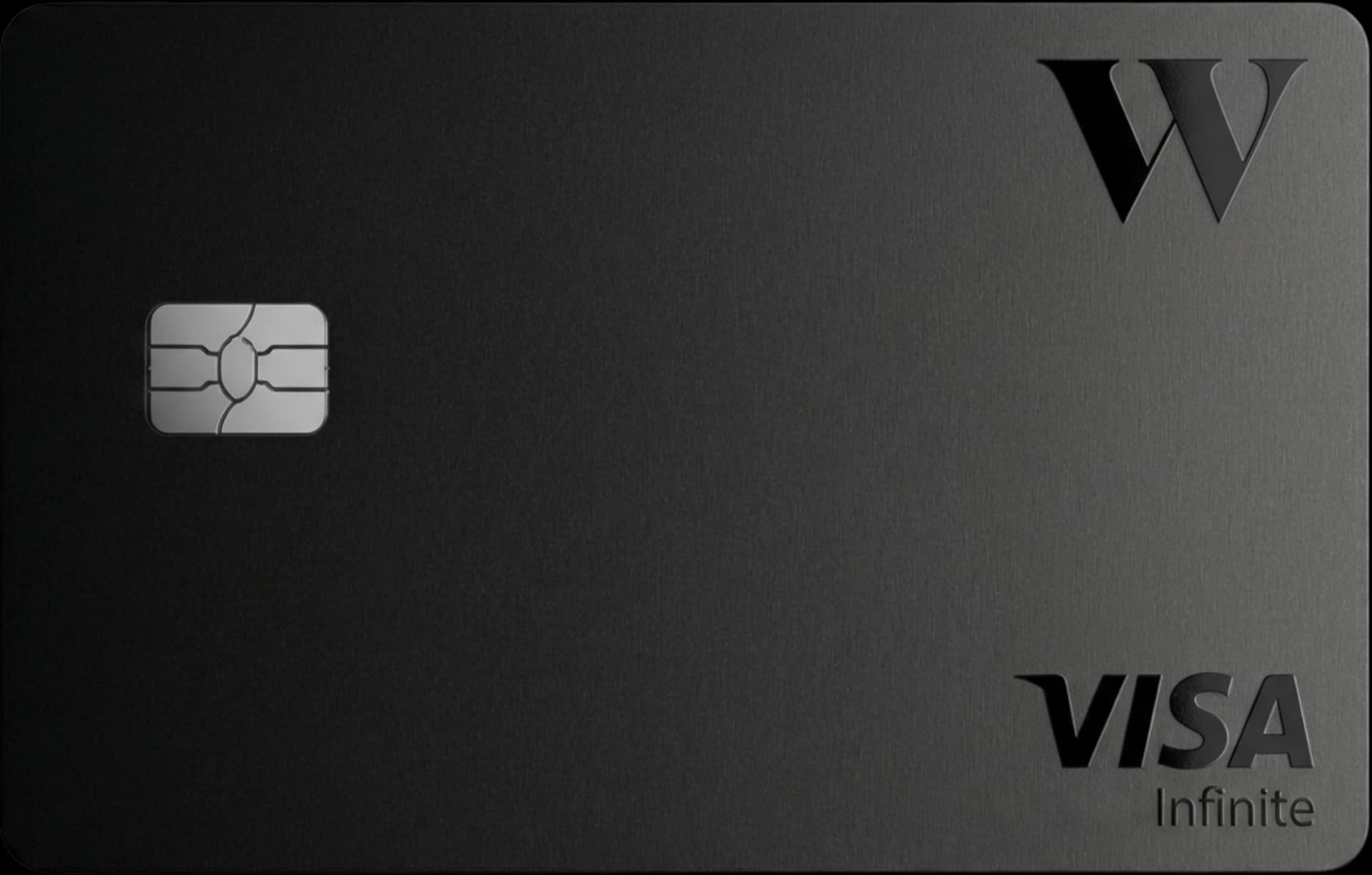
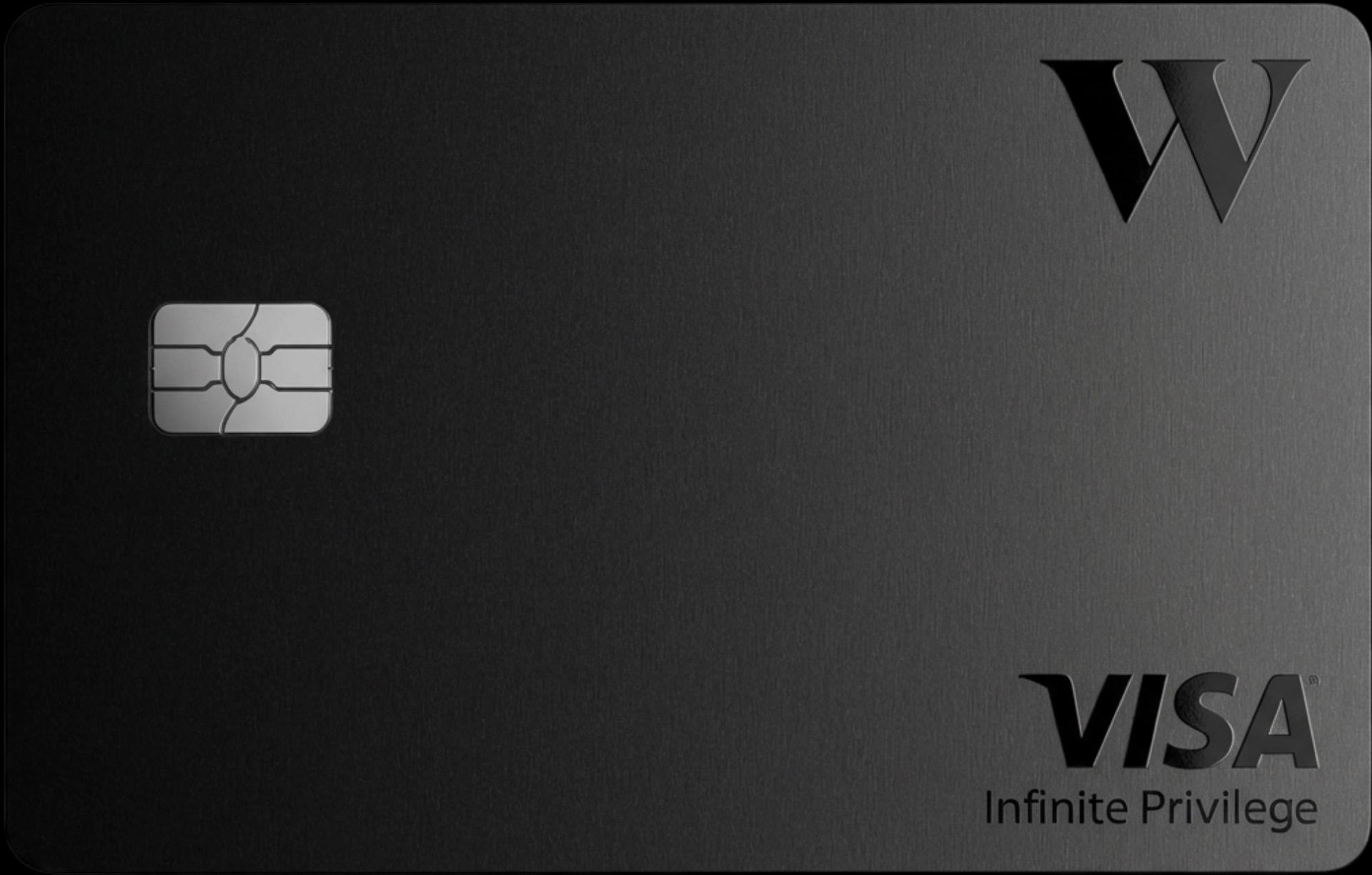
Everyday earning isn't part of that number, since it depends on where your money goes. That's why the Wealthsimple Visa Infinite+ leads the list even though its welcome offer is small. It pays a flat 2% cash back on eligible purchases, with no categories to keep track of, so it keeps paying long after a big-bonus card has done its job. The fee is $20 a month ($240 a year), and Wealthsimple waives it if you have $100,000 or more with them, or a direct deposit of at least $4,000 a month.
How to choose a credit card in Canada
Start with what you spend
Open last month's statement and see where the money went. If groceries and monthly bills are most of it, a category card pays more there: the Scotia Momentum Visa Infinite+ gives 4% on groceries and recurring payments. If your spending is spread across lots of places, a flat-rate card is simpler and often pays more in total.
Make sure you can reach the bonus
A welcome bonus only pays if you hit its minimum spend in time. Each card in the list shows that minimum under its welcome offer. Compare it with what you'd normally put on the card over those months. If you'd have to buy things you don't need to get there, the bonus costs more than it gives. Our guide to getting the most from welcome bonuses shows how to time them.
Price the perks you'll use
Airport lounge visits, travel insurance and no foreign transaction fee can be worth more than a card's annual fee, but only if you travel. If you fly once a year, a no-fee card usually comes out ahead. If you're away several times a year, our best travel credit cards in Canada go deeper on lounges, insurance and points.
Check you qualify before you apply
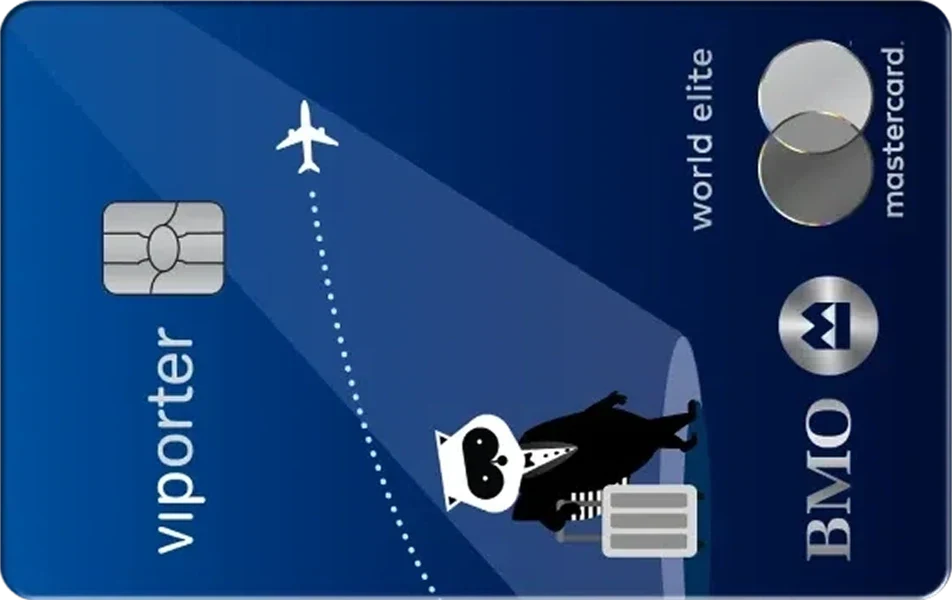
Premium cards have income minimums. Visa Infinite cards generally ask for a personal income of $60,000 or a household income of $100,000. World Elite Mastercards generally ask for $80,000 personal or $150,000 household. Each card's Full details panel lists its own rule, and applying for a card you don't qualify for only adds a credit check to your file.
Cash back or travel points?
Cash back is money the card gives back to you, usually as a credit on your statement or a deposit into your account. A dollar of cash back is always worth a dollar, and you don't have to plan anything to use it.
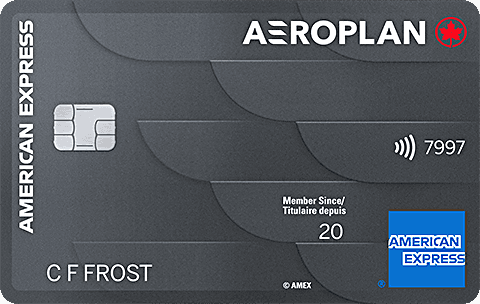
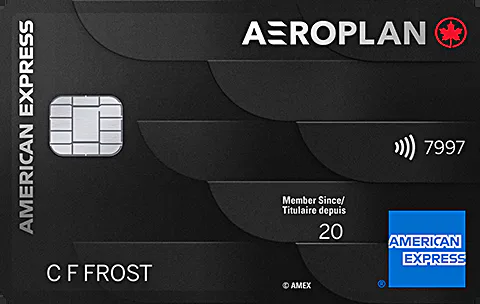
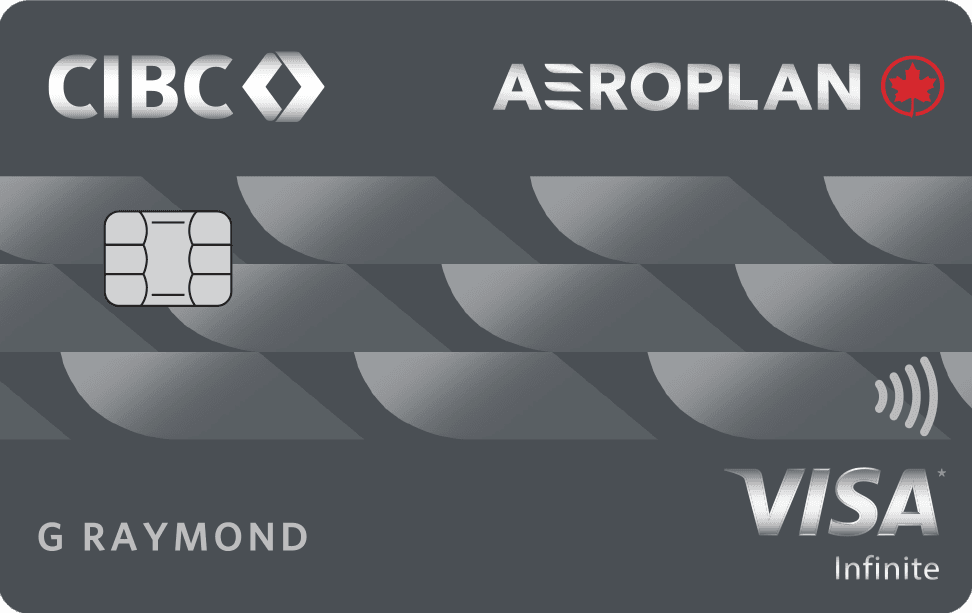
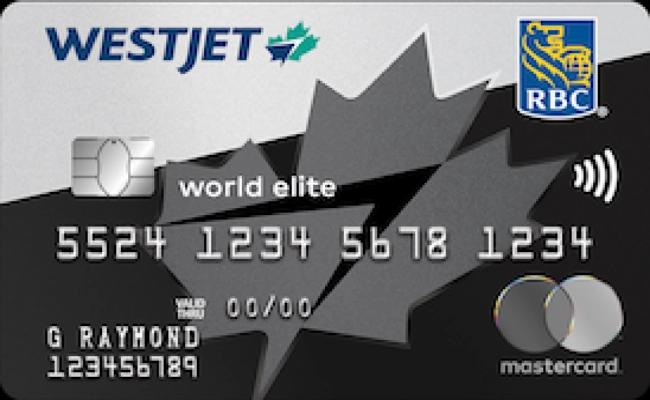
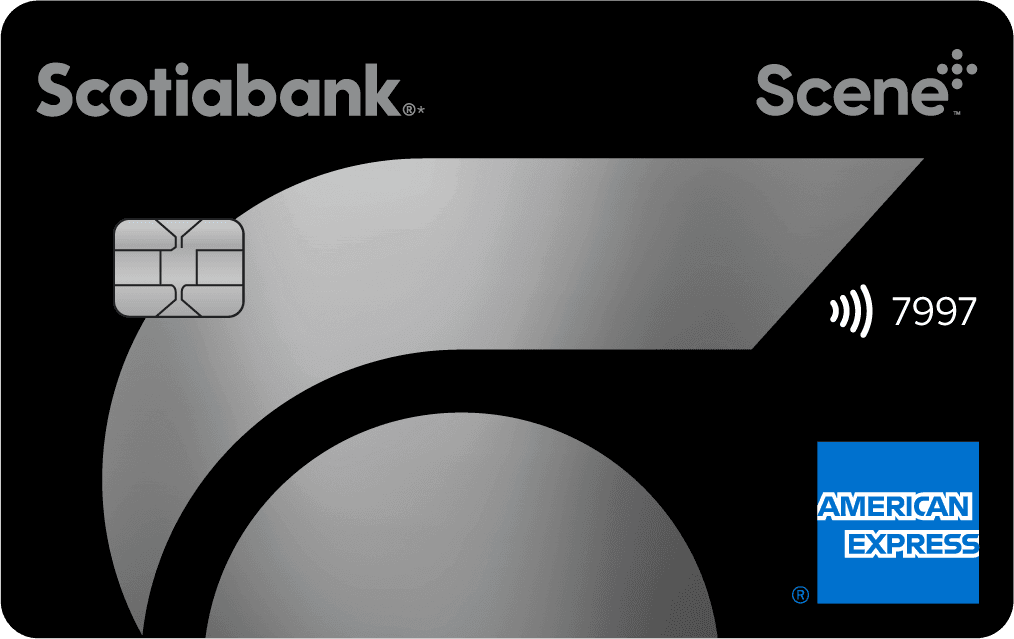
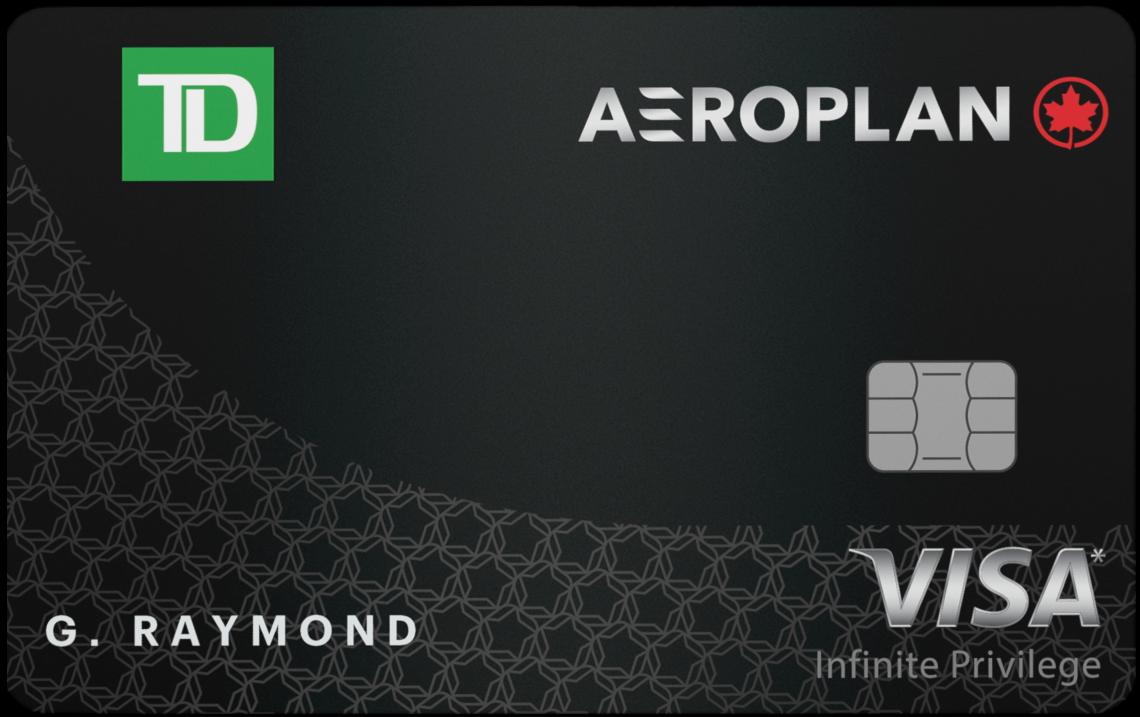
Travel points, such as Aeroplan, American Express Membership Rewards or RBC Avion, work differently. They can be worth more than cash when you use them for flights, and less when you use them for gift cards or merchandise. If you don't want to think about how to spend your rewards, take cash back. If you fly a few times a year and like planning trips, points can pay more.
What a credit card really costs
A rewards card only pays if you clear the full balance every month. Banks and other federally regulated card issuers must give you at least 21 days without interest on new purchases, between your statement and your payment due date. Pay the whole statement balance by that date and you pay no interest at all, according to the Financial Consumer Agency of Canada.
Miss that date and interest is charged from the day you made each purchase, not from the due date. The rates are high. The Wealthsimple cards charge 20.99% on purchases, and several other cards in the list charge 21.99%. On a $2,000 balance, 20.99% works out to about $35 of interest a month, which wipes out the 2% you earned on that spending in under two months.
Two other costs catch people out. Cash advances (taking cash out with your card) start charging interest straight away, with no grace period. And buying in another currency usually adds a foreign transaction fee. At 2.5%, the rate the agency uses in its own example, that adds $50 to a $2,000 trip. Cards marked "No FX fee" in the list don't charge it.
Will applying for a card hurt your credit score?
Each application triggers a hard inquiry, which is a credit check the lender makes that shows up on your credit report. The Financial Consumer Agency of Canada says hard inquiries affect your score, and that several close together can make lenders think you're urgently looking for credit. A new card also lowers the average age of your accounts. Checking your own score is a soft inquiry and doesn't affect it.
Apply for one card at a time, earn its bonus, and leave a few months before the next application. If you're not sure where your score stands, our guide to how your credit score works in Canada explains what lenders look at and how to raise it.