Where to Propose in Canada, and When the Spot Needs a Permit

August 22, 2026
A practical look at proposal spots across Canada and the permit rules that catch people out, from hired photographers to drones and reserved spaces.
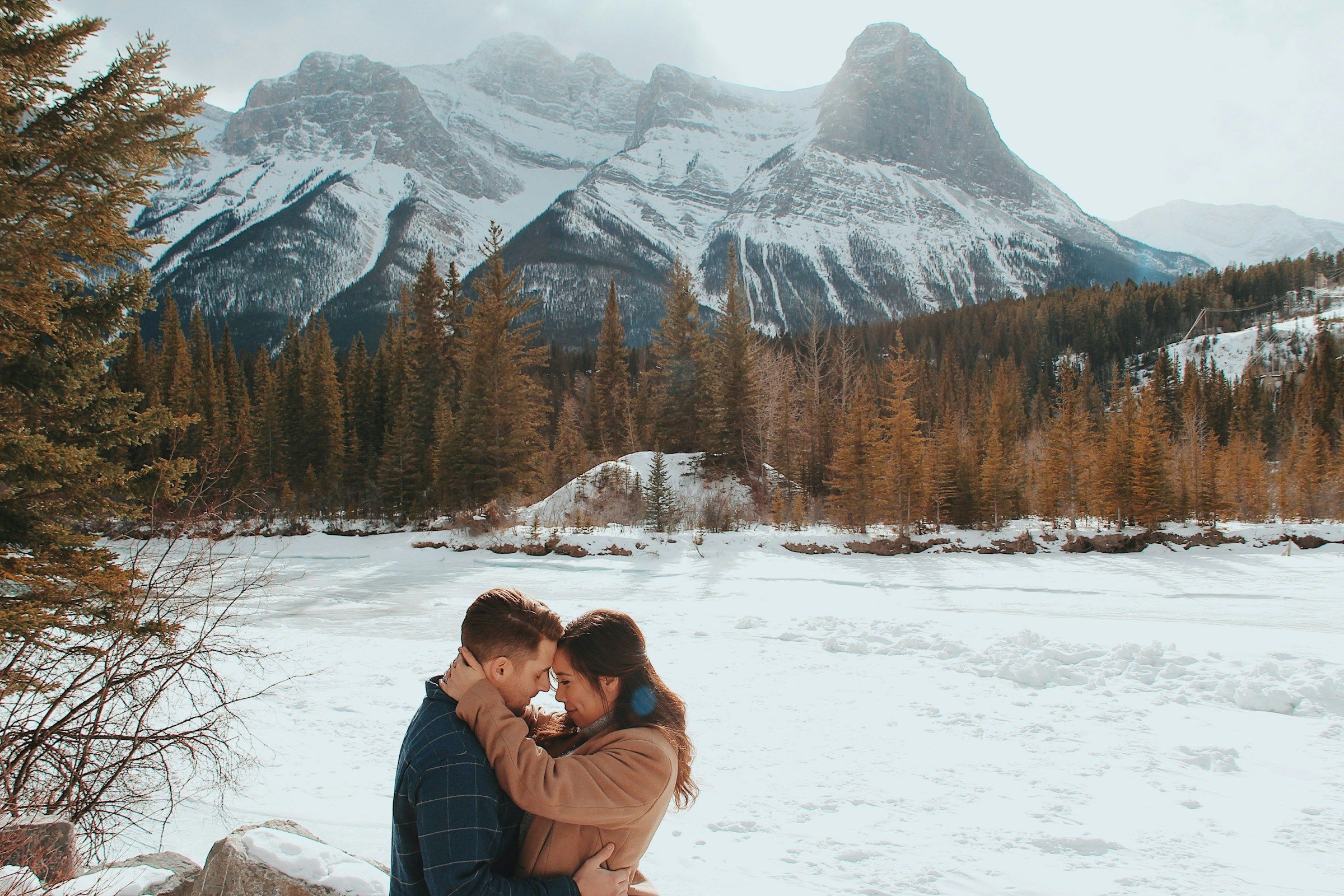
What's on this page
A private proposal in a public place is almost always fine. The rules start applying when you add a hired photographer, a drone, furniture, or a reserved space. National parks treat commercial photography and filming as licensed activity, provincial parks vary, and gardens and private venues set their own terms.
Nobody plans a proposal expecting paperwork. But a surprising number of the classic Canadian spots sit inside national parks, provincial parks, private gardens or managed heritage sites, and each of those has rules about what you can set up, who you can hire and what you can fly.
The good news is that the default is permissive. What follows is where the line usually falls, and the spots worth considering on either side of it.
The rule of thumb
Two people standing at a viewpoint, one of them holding a ring, is a private visit. Nothing about that requires permission anywhere in Canada. The situation changes when you add any of the following.
- A hired photographer. Parks Canada treats commercial photography and filming in national parks as licensed activity requiring authorisation. Provincial parks generally have their own commercial filming permit systems.
- A drone. Drone use is prohibited in national parks without a specific permit, and restricted in many provincial parks and urban areas. Transport Canada rules apply on top of that.
- Set-up and props. Furniture, arches, candles, rose petals and anything that occupies space or leaves residue tends to require permission and is often refused outright on ecological grounds.
- Exclusive use. Reserving a viewpoint, a room, a garden section or a boat is a booking rather than a permit, but it still needs arranging.
The practical test: if a stranger walking past would think an event was being staged, ask first. If they would just think two people were having a moment, go ahead.
Mountain spots
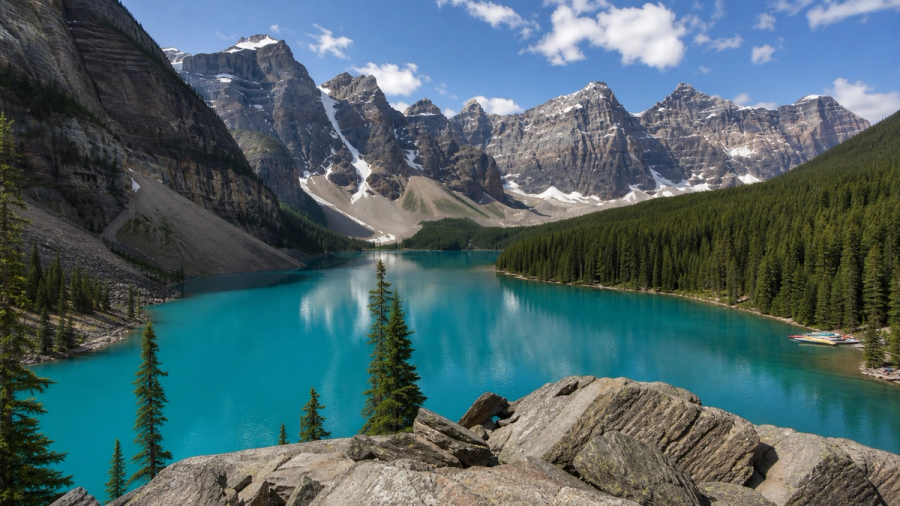
Lake Louise and Moraine Lake are the obvious ones and both come with access constraints rather than romance constraints. Moraine Lake has been closed to personal vehicles, with access by shuttle, bus or bike, so the timing of your arrival is decided by a schedule rather than by you. Lake Louise parking fills before dawn in summer.
Quieter alternatives with the same scale include Peyto Lake, the Bow Valley viewpoints near Canmore, and Emerald Lake in Yoho. Sunrise is the practical answer at all of them, both for light and for the absence of a crowd standing behind you.
Check shuttle bookings and parking status before building a morning around a specific lake. The Pass and Parking Checker covers park access and parking rules, which is the part most likely to derail the plan.
Coastal and island spots
On the west coast, the seawall at Stanley Park, the beaches at Tofino and the Sunshine Coast bluffs all work without arrangement. Our Vancouver date ideas guide has the city-scale options that do not need a drive.
On the east coast, Peggy's Cove is the most photographed and the most dangerous, since the black rocks near the water are genuinely lethal in swell and people die there. Stay on the light-coloured granite. Cape Split in Nova Scotia, the cliffs at Cape Spear in Newfoundland and the dunes at Greenwich in Prince Edward Island are all better and quieter.
City spots that need nothing but a table
Not every proposal needs a mountain. The Dufferin Terrace in Quebec City under snow, the Toronto Islands looking back at the skyline, Mount Royal at sunset, the Ottawa locks at the Rideau Canal, and any restaurant with a booking and a view all work.
Restaurants are the easiest of all, since staff arrange this constantly, and telling them in advance turns them into allies rather than obstacles. A private garden or venue is the other simple route: you are paying for access and the rules come with the booking.
What needs checking before you plan it
Confirm current requirements with the specific site, since rules vary by agency and change.
| What you want to do | Usually fine | Usually needs permission |
|---|---|---|
| Propose at a public viewpoint | Yes | Only if you set anything up |
| Bring a friend who takes photos | Yes | If they are being paid, it may count as commercial |
| Hire a professional photographer | No | Yes, in national parks and many provincial parks |
| Fly a drone | No | Prohibited in national parks without a permit |
| Set out chairs, an arch or candles | No | Yes, and often refused |
| Reserve a room, boat or garden | By booking | Handled by the venue |
Practical things that go wrong
The ring goes in a zipped inside pocket, not a coat pocket and never a jacket you might take off. Snow, boulder fields, boat decks and the gaps between boardwalk planks have all swallowed rings, and a viewpoint in a national park is not a place where anything gets found again.
Weather is the other reliable saboteur. Mountain viewpoints sit in cloud for days at a time, coastal fog can last a week in summer, and a plan that only works at one specific place on one specific afternoon is a plan with no margin. Hold two options, one outdoors and one indoors, and decide on the morning.
If a photographer is involved, brief them on where they will stand and agree it does not involve blocking a trail, a bridge or a viewing platform. A staged shoot in a busy place irritates everyone around you, and in a managed park it is the fastest way to be asked to stop.
Timing beats location
Crowds create the most common regret. Sunrise at almost any famous Canadian viewpoint gives you the same photograph with a tenth of the people, and in the mountains it also gives you parking.
Shoulder season does the same thing at a larger scale. Late September in the Rockies, early June on the east coast, and any weekday anywhere. Our list of unforgettable views in Canada is a reasonable shortlist to start from, and the Experience Finder will show what is within reach of where you are starting.
Plan the rest of the trip
Access, parking and shuttle rules matter more than anything else when the timing has to be exact.
Common questions
Do you need a permit to propose in a Canadian national park?
Not to propose. You generally do need authorisation for commercial photography or filming, for drones, and for any staged set-up. Contact Parks Canada for the specific site.
Can you hire a photographer at Lake Louise or Moraine Lake?
Professional photography in national parks is treated as a commercial activity requiring a permit or business licence. Ask the photographer whether they hold one before booking.
Are drones allowed for proposal videos in parks?
No, not in national parks without a specific permit, and restrictions apply in many provincial and municipal parks as well. Transport Canada rules apply separately.
What is the safest famous proposal spot in Atlantic Canada?
Cape Spear or Cape Split rather than the wet black rocks at Peggy's Cove, where waves have killed visitors who stood too close.
Sources
Related travel guides:
Page details
Author: Thomas Tremblay
Updated: August 13, 2026
Last reviewed: August 13, 2026
Sources verified: August 13, 2026
Cite this page: Canooq.ca, Where to Propose in Canada, and When the Spot Needs a Permit, https://www.canooq.ca/travel/where-to-propose-in-canada-permits
Canooq content is educational and may include affiliate or referral links. It is not financial, tax, legal, immigration, employment, mortgage, real estate, or healthcare advice. Verify official sources and provider terms before acting.
Enjoy Canooq? Let us keep helping you — make Canooq a preferred source on Google.