Tidal Bay: Canada's First Appellation and Where to Drink It in Nova Scotia

August 24, 2026
Tidal Bay is Canada's first appellation wine, a crisp Nova Scotia white with rules on grapes, alcohol and style. Where to taste it in the Annapolis Valley.
What's on this page
Tidal Bay is a Nova Scotia appellation white with a rulebook: Nova Scotia grapes only, low alcohol, high acid, and approval by a blind tasting panel before a wine can carry the name. Every serious winery in the province makes one, and they cluster in the Gaspereau and Annapolis valleys around Wolfville.
Most Canadian wine regions ask you to judge them against somewhere warmer. Nova Scotia does the opposite. It leaned into being cold, wet and windy, and in 2012 it created an appellation for a style that only works in that climate.
Tidal Bay was Canada's first appellation wine, and it is a genuinely unusual thing: a defined style rather than a defined grape, with a rulebook and a tasting panel standing between a bottle and the right to use the name.
What Tidal Bay is, and what the rules require
It is a dry to off-dry aromatic white blend, deliberately low in alcohol and high in acid, designed to be drunk young and with seafood. The standard behind it is set by the Winery Association of Nova Scotia and it constrains several things.
- All grapes must be grown in Nova Scotia.
- The blend must be built around a list of approved varieties suited to the climate, with L'Acadie Blanc as the signature grape and Seyval Blanc, Vidal, Geisenheim, Chardonnay and Riesling in the supporting cast.
- Alcohol is capped at a low level, which is what keeps the style bright rather than broad.
- Every wine is assessed blind by an independent tasting panel before it may be labelled Tidal Bay.
Each winery blends Tidal Bay differently, while the wines share a profile of green apple, citrus, something faintly herbal and a saline snap at the end. Tidal Bay is one of the few wines in Canada with a genuine sense of place written into its rules.
Where the vineyards are
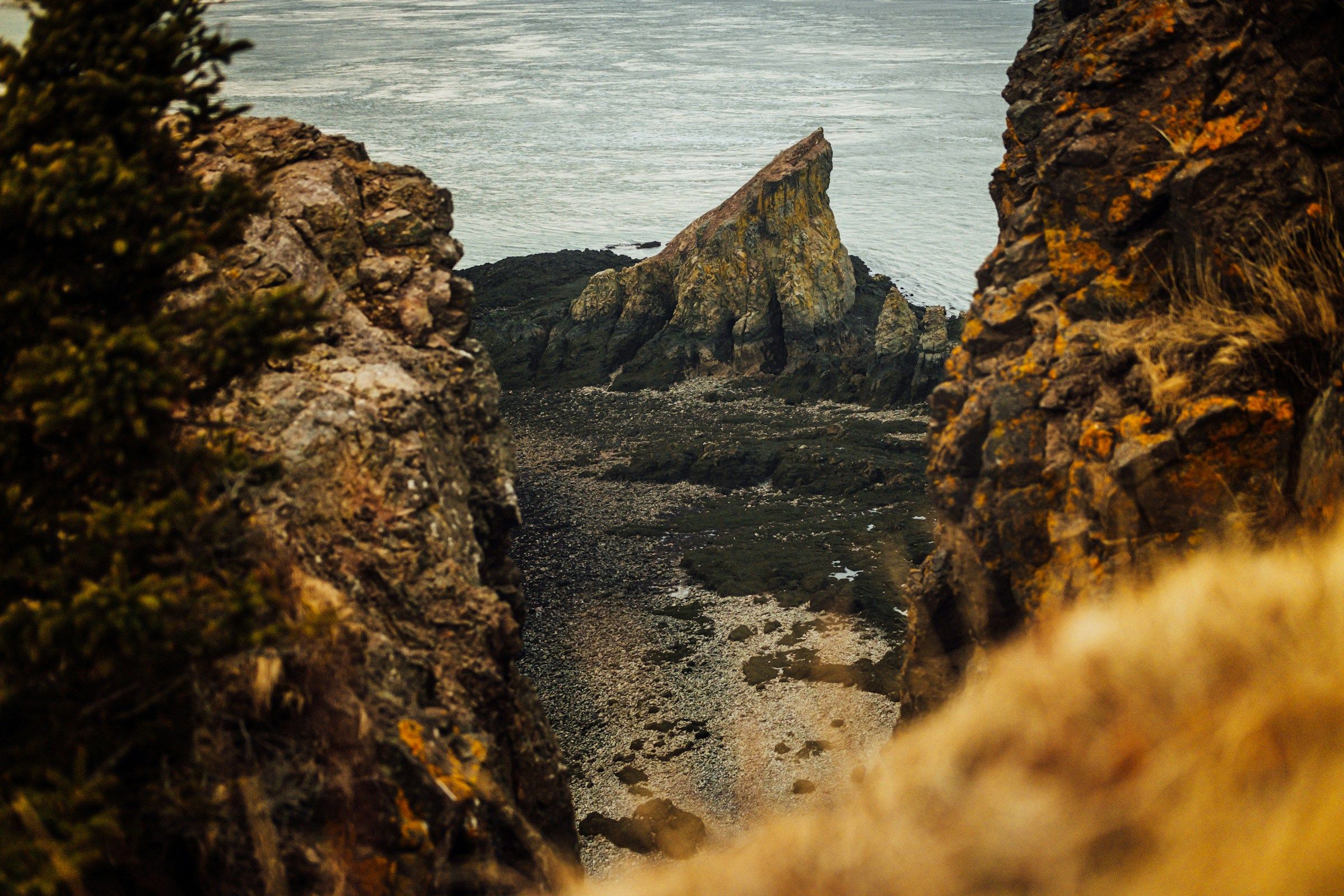
The core is the Annapolis Valley and the smaller Gaspereau Valley beside it, about an hour northwest of Halifax around the town of Wolfville. The North Mountain ridge shelters the valley from the Bay of Fundy, which is what makes grape growing possible at this latitude at all.
Benjamin Bridge, Gaspereau Valley
Best known for traditional method sparkling wine that has beaten Champagne in blind tastings, and it makes a Tidal Bay as well. The most internationally recognised name in the province.
Domaine de Grand Pre, Grand Pre
The winery that restarted the modern Nova Scotia industry, next to the Grand Pre UNESCO World Heritage site commemorating the Acadian deportation. The restaurant on the terrace is one of the best lunches in the valley.
Lightfoot and Wolfville, Wolfville
Certified biodynamic, farming land the family has held for generations, with a serious kitchen and a tasting room that takes the wine seriously without being stiff.
Luckett Vineyards, Wolfville
The one with a working red British telephone box in the middle of the vineyard, from which you can make a free call to anywhere in North America. It sounds like a gimmick and it is completely charming.
Blomidon Estate and Planters Ridge
Blomidon sits right on the Minas Basin shore, which is the most dramatic setting of any winery here. Planters Ridge works out of a restored barn in Port Williams and is the quieter, more agricultural end of the scene.
A Tidal Bay day from Halifax
Drive times are one way from central Halifax.
| Stop | Drive from Halifax | Why |
|---|---|---|
| Grand Pre | 1 hour | UNESCO site, Domaine de Grand Pre, lunch |
| Gaspereau Valley | 1 hour 10 | Benjamin Bridge, small road, best scenery |
| Wolfville | 1 hour | Town base, Luckett, Lightfoot and Wolfville |
| Port Williams and Canning | 1 hour 15 | Planters Ridge, Blomidon, farm shops |
| Cape Split | 1 hour 45 | The hike that ends the day properly |
Why the wine tastes the way it does
Nova Scotia sits at roughly the same latitude as Bordeaux and has none of the weather. The growing season is short, the springs are late and the Bay of Fundy pushes cold air over the valley all summer, which is why the grapes never build the sugar that a warm region takes for granted.
That is the whole point. Low sugar means low alcohol, and a short cool season preserves acid that a hot one burns off. The province stopped trying to make big wines about two decades ago and started making the wine its climate produces naturally, which is also the wine that goes with the shellfish sitting in the water at the end of the road. The sparkling wines work for the same reason: high acid is exactly what traditional method production wants.
Doing it without driving
Wolfville runs a seasonal winery bus, a double-decker that loops between several vineyards on a hop-on basis in summer and early autumn. It is the simplest answer to the designated driver question and it lets you stay in Wolfville, which is a pleasant university town with restaurants that outclass its size.
Outside that season, tour operators run from Halifax, or you can base in Wolfville and use taxis for a two-winery day. The same problem has different answers elsewhere, and our Okanagan wine weekend guide covers how the British Columbia version works.
What to eat with it
The wine was built for the food that is already here. Digby scallops, Fundy lobster, oysters from the shore, smoked mackerel, and the sharp local cheeses. Tidal Bay with a plate of scallops looking at the Minas Basin is the single most Nova Scotian thing available.
Add Cape Split for the afternoon if you want to earn dinner: a 13 kilometre return hike along a wooded ridge to a headland where the Fundy tide rips past several hundred feet below. Check trail and parking status before you go, since the lot is small and the Pass and Parking Checker tracks access rules of this kind. For the rest of the province, the Nova Scotia bucket list covers what else to build a trip around, and the Experience Finder sorts Atlantic trips by length.
Plan the rest of the trip
A valley day works better with the bus season, park access and tasting hours confirmed first.
Common questions
What does Tidal Bay taste like?
Crisp and aromatic, with green apple, citrus and a mineral, faintly salty finish. Low in alcohol and high in acid by design.
Is Tidal Bay a grape variety?
No. It is an appellation for a blended style, built mainly on L'Acadie Blanc with several other approved varieties, and each wine must pass a blind tasting panel.
When is the best time to visit Nova Scotia wineries?
June to October. September and early October add harvest and the best weather of the year in the valley.
How far is wine country from Halifax?
About an hour by car to Wolfville and Grand Pre, which makes it a comfortable day trip or an easy overnight.
Sources
Related travel guides:
Page details
Author: Thomas Tremblay
Updated: August 13, 2026
Last reviewed: August 13, 2026
Sources verified: August 13, 2026
Cite this page: Canooq.ca, Tidal Bay: Canada's First Appellation and Where to Drink It in Nova Scotia, https://www.canooq.ca/travel/nova-scotia-tidal-bay-wine-guide
Canooq content is educational and may include affiliate or referral links. It is not financial, tax, legal, immigration, employment, mortgage, real estate, or healthcare advice. Verify official sources and provider terms before acting.
Enjoy Canooq? Let us keep helping you — make Canooq a preferred source on Google.